USA02 May, 20266 min read
Trump Administration’s Iran Policy Pushes U.S. Gas Prices to Wartime High of $4.39 Per Gallon
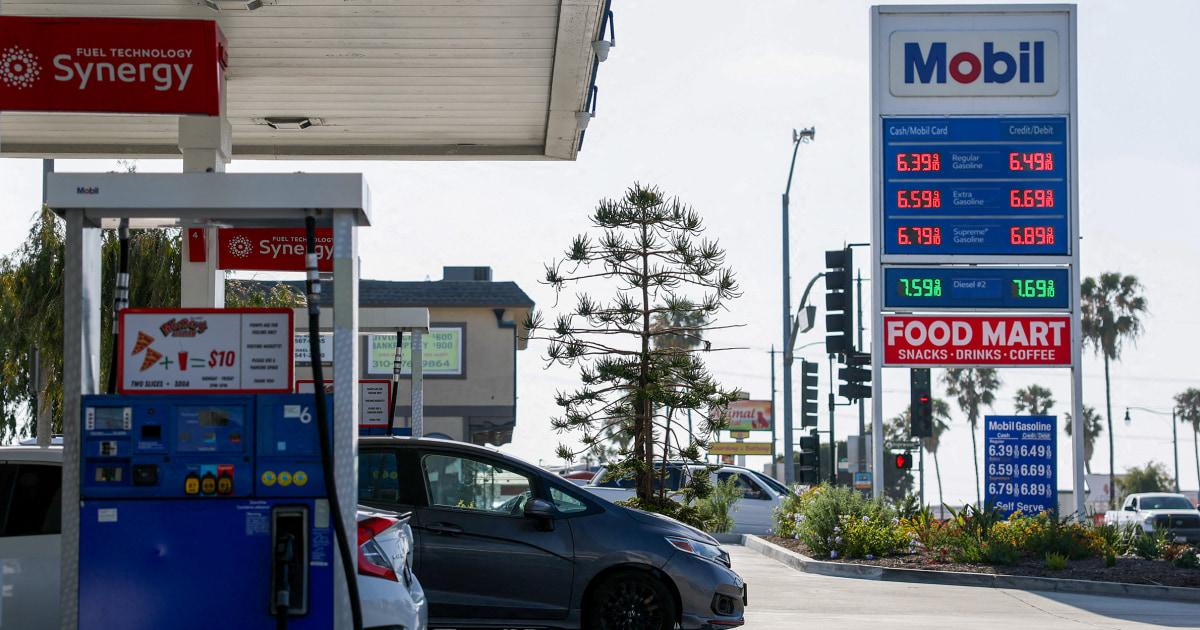
National gas price hits $4.39 per gallon, biggest one-day jump since Iran ceasefire. Iran conflict disrupted global oil supplies, driving higher gasoline prices.
Gas prices surge
Gas prices in the United States climbed to a wartime high as the Trump administration’s Iran policy and the blockade on Iranian ports continued to shape energy markets. The Washington Post reported that “The national average gas price rose to a wartime high of $4.39 on Friday,” adding that it was “up more than 30 cents from a week ago.” NBC News said the national average rose to “a fresh wartime high of $4.39 per gallon,” describing it as “its biggest one-day jump since a ceasefire with Iran was announced on April 7.”
NBC News also reported that on Thursday “gas prices jumped seven cents to $4.30, but overnight jumped an additional nine cents,” and that “Since the war started, the average price of gas has risen more than 47%.” CNN الاقتصادية described California drivers paying “more than $6 per gallon for gasoline yesterday, Thursday—the highest price in two years,” while Reuters data cited in the same report put California’s average at “$6.01 per gallon.” The same CNN report said the national average rose to “$4.34 per gallon, the highest since July 2022,” and linked the rise to the Iranian conflict and the closure of the Strait of Hormuz.
Blockade and war
The price spike was tied in the reporting to the Trump administration’s approach to Iran and the continued enforcement of a blockade on Iranian ports.
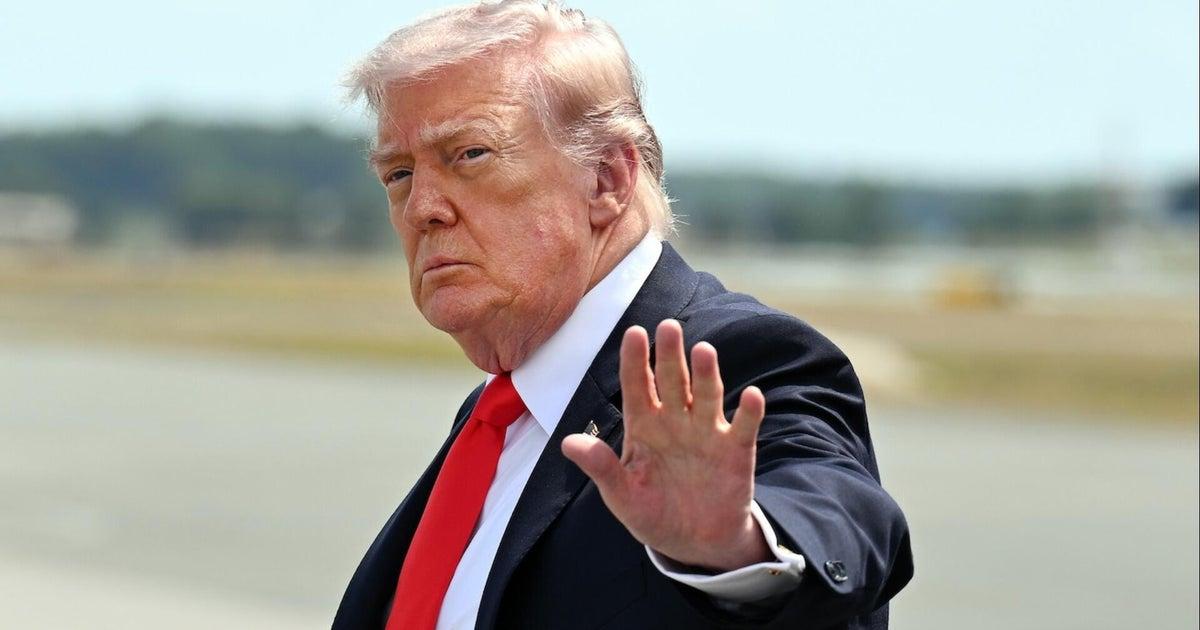
NBC News said this week’s price pressures worsened as President Donald Trump said that he wants to maintain the blockade on Iranian ports, which “the U.S. Navy has been enforcing since April 13.”

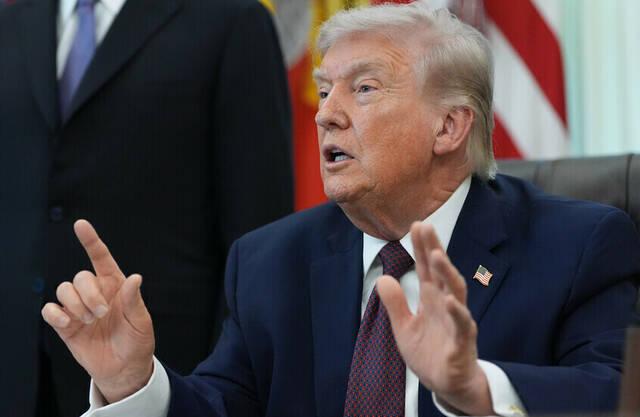
In the Oval Office, NBC News quoted Trump saying, “The power of the blockade is incredible,” and it also quoted him saying, “Iran can't let Iran have a nuclear weapon, and their economy is crashing.”
NBC News reported that Trump said he had received a new proposal from the Iranians but was “not satisfied with it,” and that his options were either to “blast the hell out of them and finish them forever” or “try and make a deal.”
The Washington Post similarly framed the situation as a stalemate between President Donald Trump and Iran that “traps oil, petroleum and other products in the Persian Gulf,” warning that prices would continue to rise as long as “the Strait of Hormuz is closed to shipping traffic.”
Responsible Statecraft argued that the United States would not be insulated by its own production, writing that “U.S. oil production does not render American consumers immune to fluctuations in oil prices.”
Administration promises and policy
While the price increases were being reported as worsening, multiple articles also described the Trump administration’s stated expectation that gasoline prices would fall once the Iran conflict ends. NBC News quoted Trump saying, “Now gasoline is high,” and adding, “As soon as the war ends, the gasoline prices will come down.” Masrawy likewise reported Trump saying that “gasoline prices in the United States will fall rapidly as soon as the situation in Iran ends.”
Mمعلومات مباشر reported that White House economic adviser Kevin Hassett said the administration was “in regular contact with oil companies” and that “we are studying the actions we can take here in the United States to increase American production in the near term.” The same report said Trump met with senior executives from Chevron and other energy companies “last Tuesday” to discuss “oil production in the United States, oil futures markets, shipping, and natural gas,” and it named Treasury Secretary Scott Beisent and White House Chief of Staff Susie Wiles among those attending. It also described the administration extending “a 90-day waiver from the Jones Act” and activating the Defense Production Act, and صحیفة الخليج reported a plan to lend “up to 92.5 million barrels” from the Strategic Petroleum Reserve.
Public opinion and politics
The gas price backlash was also reflected in polling and in political debate about responsibility for the cost of living. Al Arabiya’s Reuters/Ipsos poll coverage said Trump’s popularity fell to its lowest point in his current term, with “only 34% of Americans approve of Trump’s performance in the White House,” down from 36% in a previous poll. It said the poll lasted “four days and ended on Monday,” and that responses were collected before a shooting incident at the White House Correspondents’ Association dinner Saturday evening.
The same report said the poll showed Trump’s popularity had been steadily falling since he took office in January 2025, when he enjoyed support of “47% of Americans,” and it linked the hit to the outbreak of the U.S.-Israel war on Iran on “February 28.” Al Arabiya’s Reuters/Ipsos coverage also reported that “U.S. gasoline prices rose by more than 40% to around $4.18 per gallon,” and it said estimates suggested about “20% of oil trade movement through vital passages was halted.” CNN الاقتصادية added that a Reuters-Ipsos poll in April found “three of four Americans blame the Trump administration for the recent rise in gasoline prices,” and it quoted California Governor Gavin Newsom saying, “Every American who fills up their car this week, or buys groceries, or books a flight, is paying the Iran War tax imposed by Donald Trump.”
Diverging expectations and risks
Different outlets and analysts described sharply different expectations for how quickly prices might ease, and they also pointed to risks that could extend the pain. NBC News said Trump claimed the war would end in short order and that Iran would accept U.S. demands because its economy is unable to sustain the loss of oil revenues, but it also stated that “experts do not believe that will be the case,” and that “most believe that the price of oil will remain elevated for an extended period of time after the war ends.” It quoted Citigroup analysts saying international Brent could rise as high as “$150 per barrel” “if the Strait remains closed through the end of June,” and it reported that U.S. crude oil was set to post “a more than 8% jump for the week.”
Responsible Statecraft argued that even if the Strait reopened, the time-delayed effects would keep prices high, writing that “U.S. gasoline prices in May will no doubt be even higher than April,” and it warned that “It’s no exaggeration to say a global economic meltdown could be the result.” In California, CNN الاقتصادية reported that “California's fuel stocks fell to record-low levels in April,” and it said stocks had reached “a record high of 195 thousand barrels per day” in the week beginning “April 13,” before falling “to below 75 thousand barrels per day last week.” The stakes were also framed as political, with the same CNN report saying the rise in fuel prices would become “a major political issue ahead of the November midterm elections,” while the Washington Post described “voter backlash” building as “options to lower prices at the pump are dwindling.”