South America26 October, 20252 min read
Trump and Brazil’s Lula Launch Trade Talks to End Tariff War at ASEAN Summit
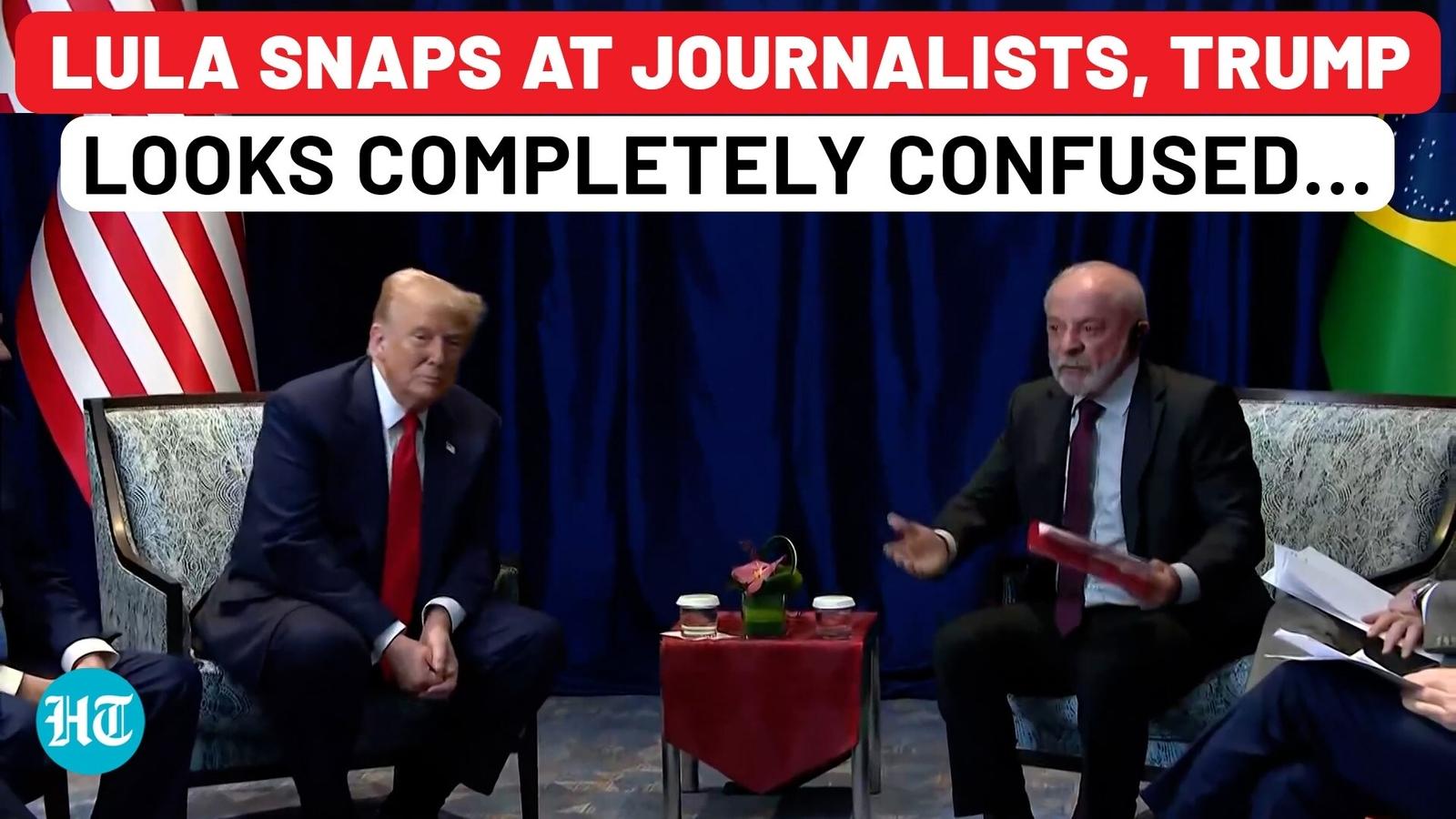
Trump and Lula held a positive meeting at the ASEAN Summit to address tariff tensions. Both countries agreed their teams will immediately begin negotiations to resolve tariffs.

17 outlets told this the same way.
Outlets did split on Alexandre de Moraes Orders Eduardo Bolsonaro Arrest, Cancels Passport, Enforces Four-Year Sentence →
US-Brazil Trade Talks Restart
At the ASEAN Summit in Kuala Lumpur, Donald Trump and Brazil’s Luiz Inácio Lula da Silva met on the sidelines and launched new trade talks aimed at ending a tariff fight. The dispute had seen U.S. duties on most Brazilian goods increase from 10% to 50%. Both leaders portrayed the meeting as constructive and forward-looking.
Lula called the meeting “great” and said negotiating teams would begin work immediately on tariffs and related sanctions. Trump signaled there could be quick, mutually beneficial deals and a reset of strained ties.

Multiple outlets described a positive tone and rapid next steps, noting the meeting date and the formal start of discussions. The encounter was framed as a potential thaw after weeks of escalating trade tensions.
US-Brazil Trade Dispute Details
Several outlets report that Trump linked the tariff hike to investigations targeting former President Jair Bolsonaro. Lula labeled the 50% tariff level a mistake and pointed to the long-standing U.S. trade surplus with Brazil. Coverage also highlights that Brazil asked for a suspension of tariffs during the talks, though it’s unclear if Washington agreed.
Some sources add that U.S. measures included sanctions on Brazilian officials, named in one account as including Supreme Court Justice Alexandre de Moraes, making the talks about both tariffs and penalties. Others note Trump’s openness to reduce tariffs under certain conditions.
Impact of Trade Talks on Beef Market
Beyond the politics, several outlets highlight the real-economy effects such as higher U.S. beef prices and altered trade routes. Brazilian exports have found alternative paths and markets due to these changes. Reports indicate that the tariff shock has disrupted global beef trade, causing some Brazilian shipments to be rerouted through third countries like Mexico.
Meanwhile, Brazil’s exports to China continue to grow despite these disruptions. Other coverage offers a more general view, noting the influence of trade talks on the beef market without going into as much detail.
Conflicting Reports on Trump-Lula Talks
Accounts diverge on the tone and context surrounding the talks.
Mediaite reports a tense exchange in which Trump snapped, “That’s none of your business,” and says Lula rejected Trump’s demand to drop a case.

Dallas News frames the meeting within a broader tariff strategy and even reports discussions about reducing tariffs in exchange for leniency toward Bolsonaro.
By contrast, Al Jazeera and other outlets highlight a harmonious, constructive dynamic.
Anadolu broadens the scene by noting Trump’s confidence about separate talks with China’s Xi in South Korea.
Some reports also conflict on Trump’s status, describing him either as the U.S. President or as a former president.

Diplomatic Talks and Tariff Issues
What’s next is rapid but uncertain diplomacy. Brazil’s foreign minister says a negotiation schedule will be set and requested suspension of tariffs during talks. Reports agree teams will meet promptly, but it remains unclear if Washington will pause duties.
Trump and Lula both project optimism—Trump about striking good, mutually advantageous deals and Lula about maintaining extraordinary relations and avoiding conflict. Some outlets note Trump’s conditional openness to reduce tariffs. Overall, momentum is real, but core questions on suspensions and scope of sanctions remain unresolved.
