Iran-Israel28 February, 20262 min read
Trump and Israel Attack Iran, Risking Wider Regional War
This article is an automated aggregation of coverage from news outlets. Our editorials offer in-depth analysis curated by the NewsCord team.
United States and Israel launched coordinated strikes across Iran targeting its leadership and military infrastructure Iran launched retaliatory missile strikes targeting US bases and fired missiles toward Israel

20 outlets told this the same way.
Outlets did split on U.S. Intercepts Iran Message Activating Sleeper Cells After U.S.-Israel Strike Kills Khamenei →
United States and Israel strikes
The United States and Israel carried out coordinated military strikes against Iran. Multiple outlets described a broad, cross‑border campaign that U.S. officials framed as sweeping and "massive."
“West Asia plunged into a major confrontation after the United States and Israel launched a sweeping joint strike, codenamed Operation Roaring Lion, against Iranian military and nuclear-linked sites.”
Coverage recorded conflicting labels: Open Magazine said the assault was codenamed "Operation Roaring Lion," while several Western outlets and the Pentagon described the campaign as "OPERATION EPIC FURY." Reporting noted immediate defensive responses and alarm about a possible wider regional war as missile defenses and other emergency measures were activated.
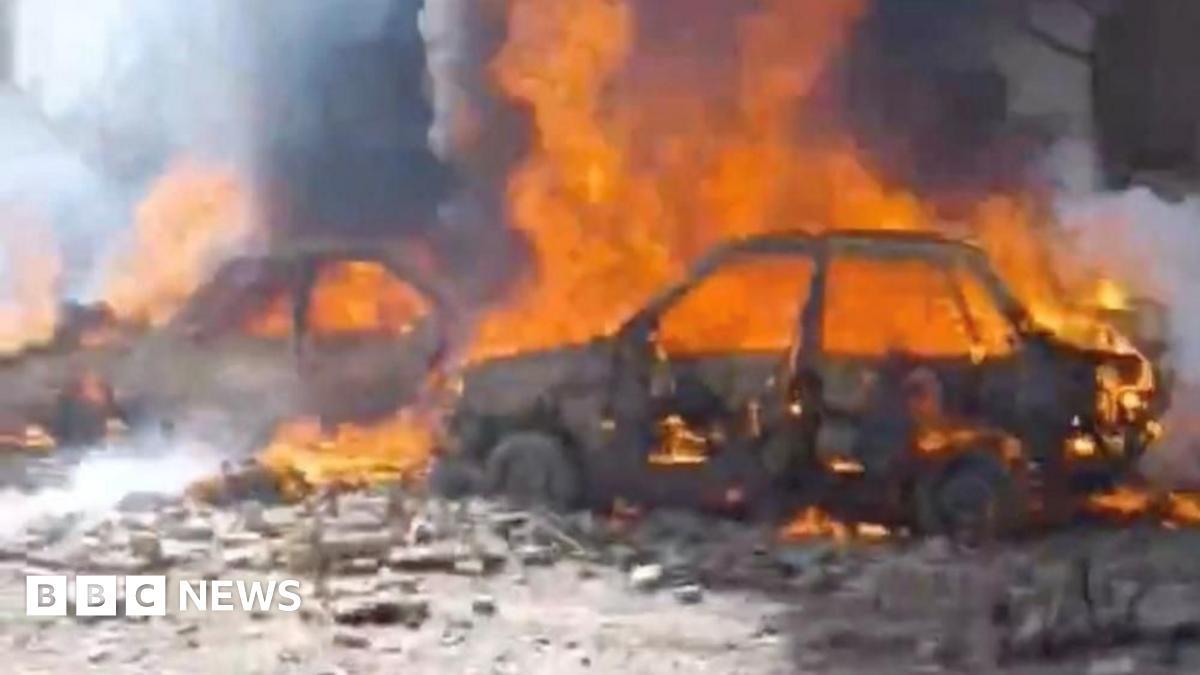
Trump's Rationale for Strikes
President Donald Trump framed the attacks as necessary to eliminate threats and to produce political change in Tehran, using social-media video messages that invoked long-standing U.S. grievances. Trump said the strikes were meant to "defend the American people by eliminating imminent threats from the Iranian regime."
He called the campaign intended to bring about "a change in Tehran's leadership," and urged Iranians to seize the moment. Outlets reported he signaled a broader goal of regime change.
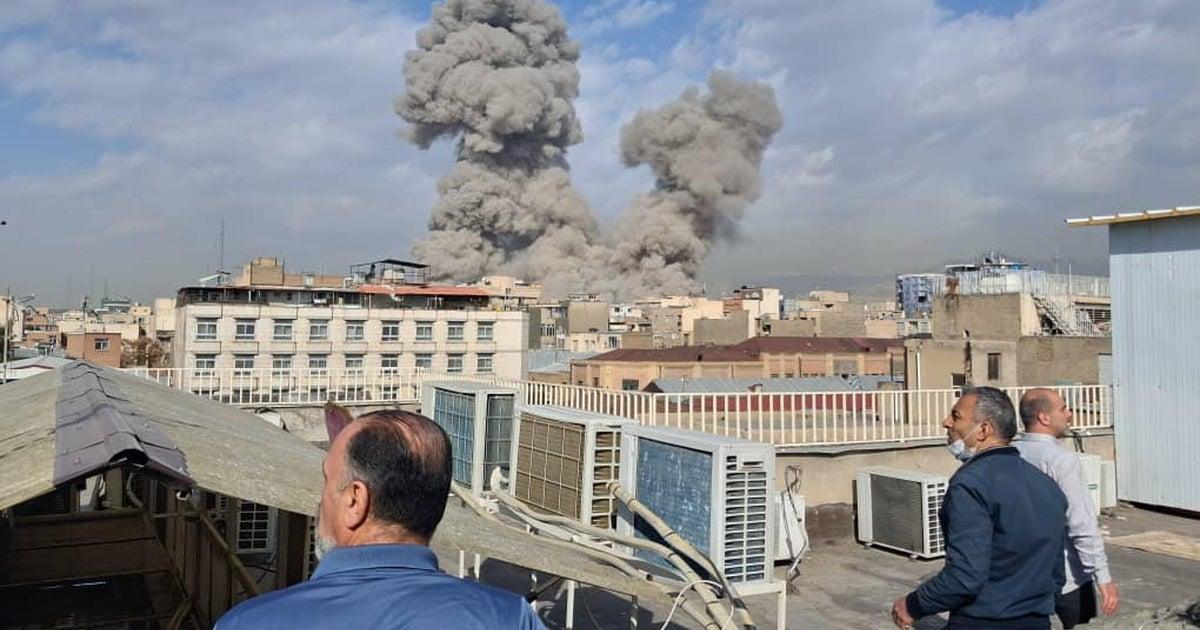
Iran strikes and casualties
Iran retaliated quickly, with outlets reporting missiles fired toward Israel and an attack on a U.S. military base in Bahrain. Israeli and U.S. officials said defensive systems were intercepting incoming strikes.
“Within hours Iran retaliated, firing missiles toward Israel and striking a U.S. military base in Bahrain, prompting missile defenses, emergency measures, airspace closures and widespread alarm about a possible wider regional war.”
Reporting emphasized uncertainty over casualties. State media claimed more than 50 people were killed at a girls' school in southern Iran, but news organizations described those figures as unclear and unverified.
Reactions to strikes
The strikes drew legal and diplomatic pushback and calls for restraint.
Analysts and commentators noted Washington did not seek explicit Congressional or U.N. Security Council authorization and some argued the action raised legal questions under U.S. and international law.

Governments and international officials urged de-escalation, in several accounts sought emergency U.N. engagement, and warned of civilian harm.
Reactions to strikes
Observers warned the strikes risked a wider regional war and could undermine diplomatic efforts. Commentators described the campaign as a high-stakes foreign-policy gamble unlikely to deliver rapid regime collapse. Voices across the coverage said the action may undercut hopes for a negotiated resolution while raising the prospect of extended conflict and domestic political consequences for President Trump.
“President Trump, joined by Israel, has launched strikes on Iran in what analysts call his biggest foreign policy gamble, escalating from his previous preference for quick, limited raids to actions that could produce a protracted regional war.”