South America02 December, 20252 min read
Trump and Lula Agree to Intensify Joint Crackdown on International Organized Crime
This article is an automated aggregation of coverage from news outlets. Our editorials offer in-depth analysis curated by the NewsCord team.
Lula and Trump agreed to intensify bilateral cooperation against international organized crime Trump lifted extra US tariffs on Brazilian food exports, including coffee and beef
11 outlets told this the same way.
Outlets did split on Alexandre de Moraes Orders Eduardo Bolsonaro Arrest, Cancels Passport, Enforces Four-Year Sentence →
Brazil-US crime cooperation
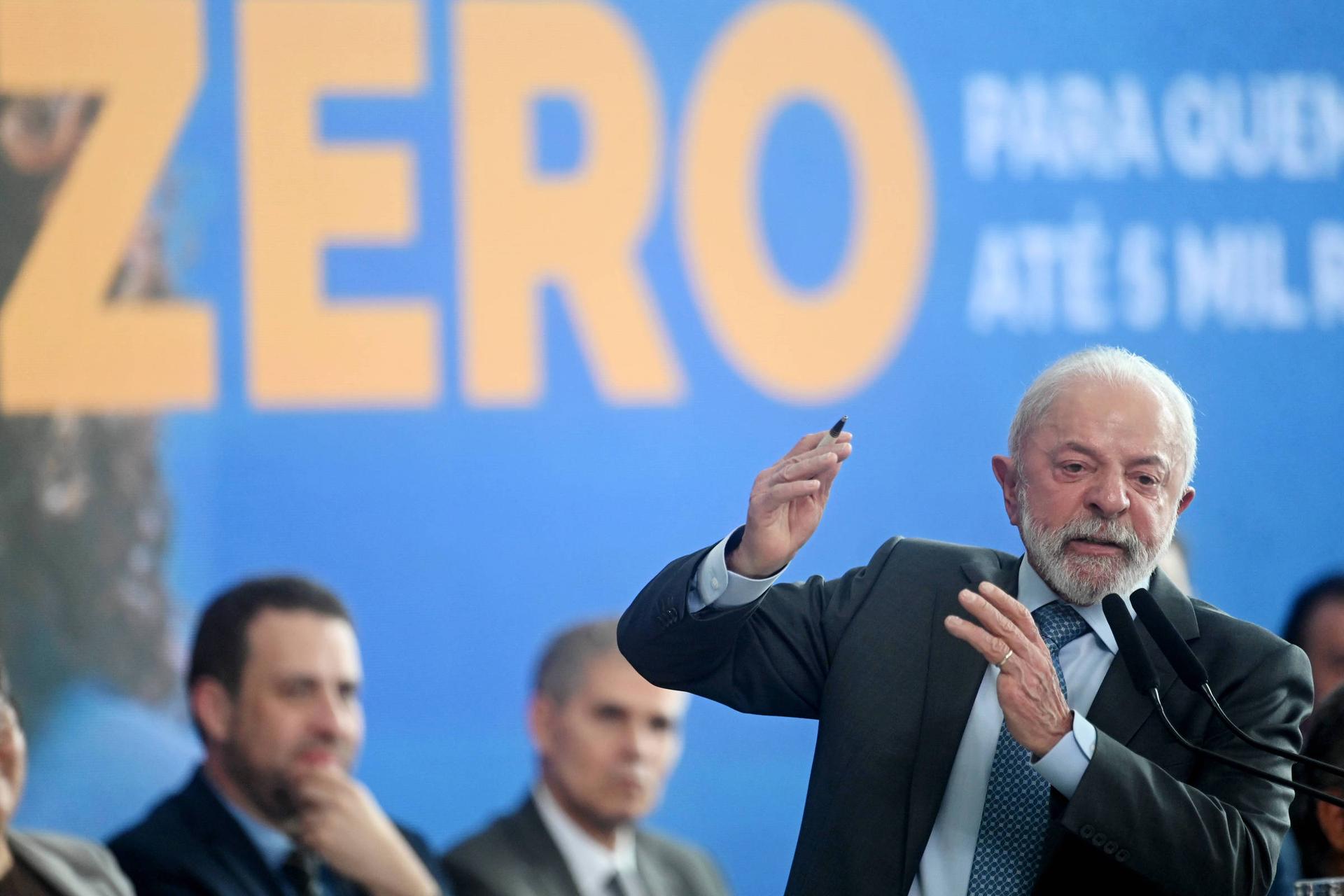
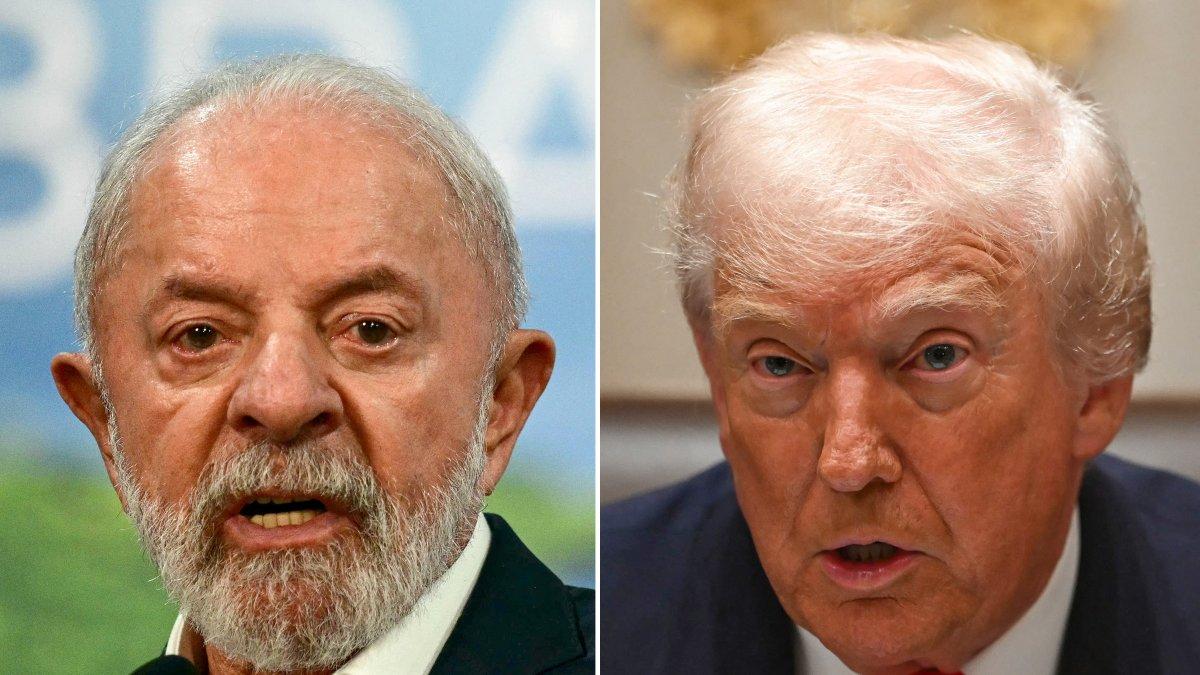
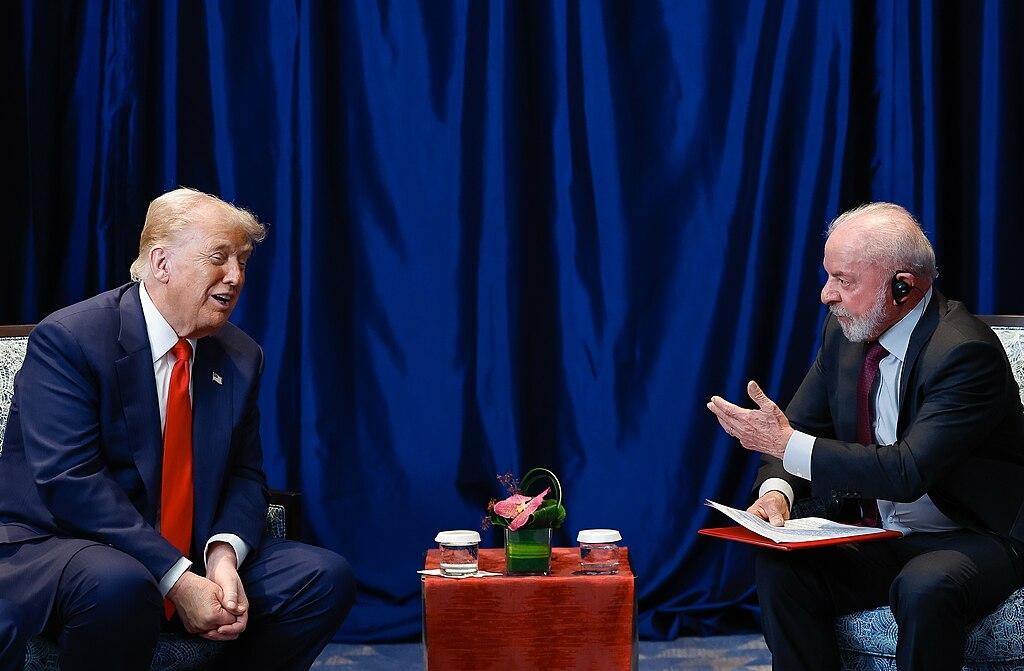
Brazilian President Luiz Inácio Lula da Silva and former U.S. President Donald Trump held a lengthy phone conversation in which both leaders agreed to step up cooperation against international organised crime.
“Brazilian President Luiz Inácio Lula da Silva and former U.S. President Donald Trump spoke by phone on Dec. 2, 2025, and agreed to cooperate on combating international organized crime.”
Multiple outlets reported the call as a roughly 40-minute discussion focused on intensifying joint action against transnational criminal networks; Brazilian statements stressed recent domestic operations to choke off criminal financing, and U.S. officials expressed readiness to work with Brazil.

The discussion was framed as part of a broader bilateral rebound that also touched on trade and economic issues.
Brazil crackdown on criminal finance
Brazilian officials used the conversation to underline a recent domestic crackdown on criminal-finance networks, naming groups such as the Primeiro Comando da Capital (PCC) and describing attempts to financially suffocate gangs. Some reports provide substantial detail: voz.us cites an August bust of a PCC-run fuel-sector money-laundering scheme that allegedly moved nearly $10 billion.
TRT World adds allegations that the PCC laundered money through gas stations into digital banks and apps and highlights Brazil’s operations against Rio’s Comando Vermelho. At the same time, Brazilian releases emphasized branches of criminal organizations operating from abroad and requested deeper U.S.–Brazil collaboration on those networks.
Regional security context
The call took place against an escalatory U.S. security posture in the region that several outlets cited as important background. Reports note a sizeable U.S. military buildup in the Caribbean and months of U.S. strikes on suspected drug-trafficking boats off Venezuela’s coast; outlets give differing counts and emphases, but many cite dozens of reported deaths tied to U.S. strikes. That security context helps explain Brazilian sensitivity about foreign operations in the region and why Lula emphasised diplomacy and cooperation rather than confrontation.
“The U.S. has bombed vessels it said were drug boats, reportedly killing more than 80 people, but has not publicly produced conclusive evidence linking those boats to cartels.”
US–Brazil meeting summary
The leaders agreed to continue talks and deepen cooperation on law enforcement, with explicit mentions of follow-up discussions and mutual commitments to joint initiatives. Several outlets reported that Trump expressed readiness to work with Brazil; EconoTimes quotes him calling it 'a great talk,' and voz.us says he reportedly pledged his full support for joint initiatives.
Brazilian officials also sought U.S. help on money‑laundering probes and raised trade matters, including tariff removals, indicating the meeting blended security, judicial and economic agendas. Sources differ on what each side prioritized publicly, reflecting varied editorial focus across outlets.