USA27 December, 20252 min read
Trump and Zelensky Claim They Moved Closer to Peace After Mar‑a‑Lago Meeting
Trump and Zelensky met at Mar-a-Lago to discuss a U.S.-backed 20-point peace and security plan Trump spoke with Putin before the meeting and said any deal would require his approval

64 outlets told this the same way.
Outlets did split on Trump Interrupted by Protesters at San Antonio Rally for Ken Paxton →
Mar-a-Lago diplomatic talks
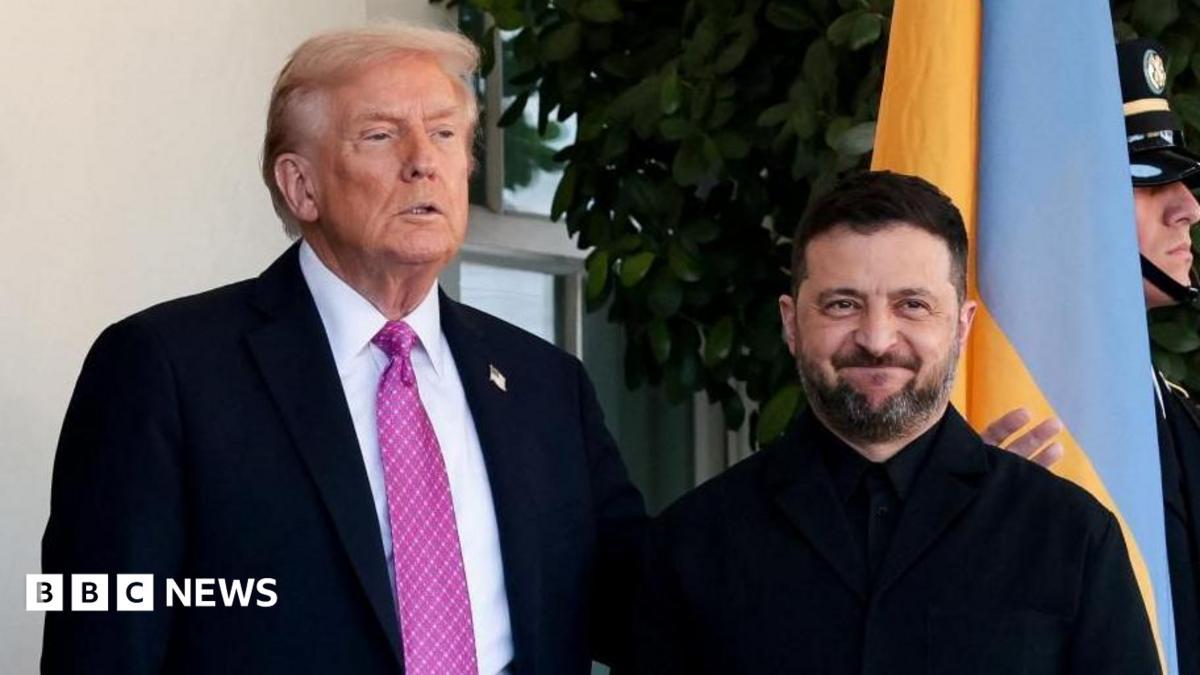
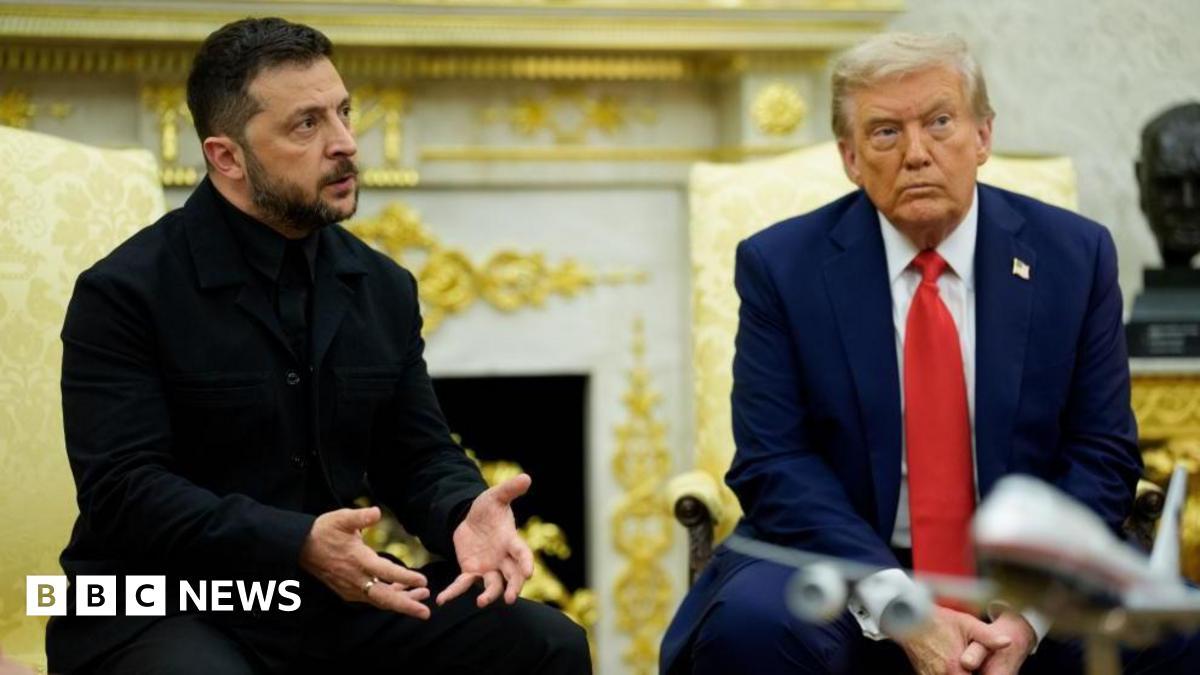
President Donald Trump and Ukrainian President Volodymyr Zelensky met at Mar-a-Lago and afterward both leaders conveyed optimism that talks had advanced. Media reported the meeting 'left both leaders saying they had come a lot closer to a resolution of the multi-year conflict'. Trump described the session as 'excellent' and said he believed the parties were 'closer than ever before'.
“Trump said on Truth Social he had ‘a good and very very productive’ phone call with Vladimir Putin ahead of his Mar‑a‑Lago meeting; the Kremlin confirmed the call.”
Outlets noted Trump had spoken with Vladimir Putin ahead of or around the meeting. Coverage framed the encounter as a high-profile diplomatic push to finalize a U.S.-backed, roughly 20-point framework to pause or end the fighting, while also stressing that key hurdles remain.

U.S.-backed peace framework
Reporting across outlets describes a trimmed, U.S.-backed '20-point' peace framework that Zelensky carried to Florida. Sources say it was pared down from an earlier 28-point draft and focuses on security guarantees, demilitarized zones, and procedures such as a possible national referendum after a ceasefire.
Some accounts say the plan would 'freeze fighting along current front lines' and could require Ukrainian troop adjustments or demilitarized buffer zones. Kyiv stresses any territorial concessions would be subject to domestic approval and possibly a referendum if a 60-day ceasefire is agreed.

Key negotiation sticking points
Key sticking points reported across outlets include control of territory in Donetsk, the status of the Russian-occupied Zaporizhzhia nuclear plant, and the scope and legal force of security guarantees. Some media say Washington has floated creative compromises, such as turning vacated Donetsk areas into a demilitarized or 'free economic' zone. Ukraine insists on strong, long-term guarantees and often conditions territorial moves on reciprocal Russian actions and international monitoring.
“Russian negotiators have floated compromises — including a free economic zone in territory ceded by Ukraine and shared control of the Zaporizhzhia nuclear plant — but details and feasibility are unclear.”
Media framing and Moscow response
Western mainstream outlets highlight diplomatic momentum while urging European caution. West Asian outlets emphasize Ukraine's insistence on U.S. security guarantees and the possibility of referenda.
Western alternative outlets and some tabloids point to private back-channel actors and business interests tied to frozen Russian assets. Moscow's official response has been skeptical or non-committal, with Russian officials warning Europe against certain deployments and reiterating maximal territorial demands.
Diplomacy amid ongoing strikes
Observers and on-the-ground reporting underline why many outlets urge caution. The meeting coincided with fresh Russian strikes that caused civilian casualties and infrastructure outages. Analysts stress that Moscow's acceptance is pivotal.
“Recent strikes cut power to more than a million homes around Kyiv, temporarily closed two Polish airports ... and killed two people in a combined missile-and-drone attack.”
Accounts therefore combine diplomatic coverage of progress at Mar-a-Lago with stark battlefield realities. Reporters note power and heating cuts around Kyiv and casualties from missile and drone strikes.
The IAEA is involved in local ceasefires near Zaporizhzhia. Commentators say all of these factors complicate any near-term settlement.