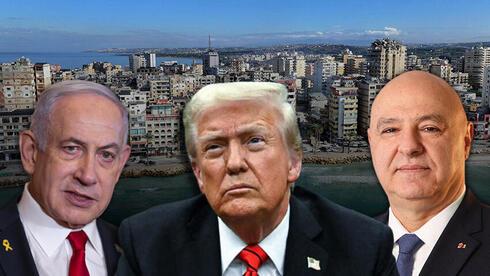
Trump Announces 10-Day Ceasefire Between Israel and Hezbollah After Netanyahu, Aoun Talks
Key Takeaways
- A 10-day Israel-Hezbollah ceasefire began at 5 p.m. ET on April 16, 2026.
- Trump announced the deal after talks between Netanyahu and Lebanese President Aoun in Washington.
- The arrangement is a U.S.-brokered ceasefire with invitation for leaders to visit Washington.
Ceasefire announced, terms contested
U.S. President Donald Trump announced a ten-day ceasefire between Israel and Hezbollah after speaking to both Israeli Prime Minister Benjamin Netanyahu and Lebanese President Joseph Aoun, inviting both of them to Washington to engage in direct talks, according to Mondoweiss.
The Hill described Trump as sprinting ahead Friday to take a victory lap celebrating what he said was Iran’s agreement to open the Strait of Hormuz and a ceasefire between Israel and Lebanon, while conflicting statements from Iranian officials and Israeli pushback on the terms of the ceasefire with Lebanon raised doubt about Trump’s successes.
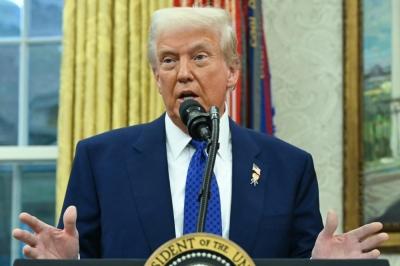
NBC News reported that Trump said on Truth Social that Aoun and Netanyahu “have agreed that in order to achieve PEACE between their Countries, they will formally begin a 10 Day CEASEFIRE at 5 P.M. EST.”
BBC said the ceasefire took effect from 17:00 EST (21:00 GMT; midnight local time) on 16 April, and that it would last for 10 days with the possibility of being “extended by mutual agreement.”
The State Department memo, as quoted by NBC News, said the initial 10-day period “may be extended by mutual agreement between Lebanon and Israel if progress is demonstrated in the negotiations and as Lebanon effectively demonstrates its ability to assert its sovereignty.”
NBC News also said Netanyahu confirmed in a video statement that he had agreed to a temporary ceasefire but said Israel had not agreed to withdraw from southern Lebanon, adding that the group must be dismantled.
CBS News added that an Israeli official told CBS News the country agreed to only respond to “imminent threats from Hezbollah,” while it remained uncertain how Hezbollah would respond and whether Lebanese armed forces could quell the powerful group.
Why the truce is fragile
Multiple reports tied the Israel-Lebanon ceasefire to a broader, unsettled U.S.-Iran track and to disputes over the Strait of Hormuz.
The Hill said Trump began Friday morning with a ceasefire between Israel and Lebanon in effect and celebrated what he called the opening of the “Strait of Iran,” while Iran’s Embassy in Zimbabwe joked that the term meant Trump was in a good mood.

It also quoted Mohammad Bagher Qalibaf, the speaker of the Iranian Parliament, writing on X that with the U.S. blockade of the Strait of Hormuz continuing, the waterway “will not remain open,” and that the waterway otherwise remains “effectively closed” as vessel movements are confined to corridors that require approval, according to Kpler.
BBC reported that Iran’s foreign minister said on Friday that “in line with the ceasefire in Lebanon” the Strait of Hormuz had been “declared completely open,” and it added that this due to expire on 22 April.
CBS News said the Strait of Hormuz remains effectively closed to most commercial shipping traffic due to Iran’s threats and despite an ongoing U.S. military blockade of Iranian ports, and that tanker gridlock kept global oil and gas prices high.
TradingView framed the ceasefire as “fragile peace” and said prediction market Polymarket put the odds of a permanent peace deal by April 22 at 23%.
In Lebanon itself, Al Jazeera described displaced residents’ doubts as the ceasefire approached, with Abu Haidar telling Al Jazeera, “At 11pm, I’m going home, not at 12,” and others saying they did not trust Israel to uphold the ceasefire.
Lebanon’s displaced weigh risk
As the ceasefire began, Al Jazeera reported that displaced Lebanese residents were preparing to move but remained wary of whether Israel would uphold the truce.
It described Abu Haidar’s legs dangling out of his car at Beirut’s waterfront as he folded up a mattress he had slept on for the last six weeks and packed it on top of the vehicle, saying he planned to head to his village, Kherbet Selem, about 25 kilometres (15 miles) from the border.
Al Jazeera said he told the outlet, “At 11pm, I’m going home, not at 12,” and said he would find a way around the fact that Israel had bombed the last working bridge to the south earlier on Thursday.
The report contrasted that with displaced people in downtown Beirut telling Al Jazeera they did not trust the Israelis to uphold the ceasefire and would wait before returning to their homes, and it added that only one room of Fadal Alawi’s home in the Hay el-Sellom neighbourhood of Beirut’s southern suburbs remained.
Al Jazeera also quoted Dandash saying, “We’re going to stay here the whole 10 days,” and said he added they would go home only when a longer agreement was put into effect.
The New York Times reported that Hezbollah politicians affirmed a “cautious commitment” to the 10-day cease-fire, which appeared to be holding on its first day, as thousands of families displaced by weeks of fighting filled the main highway to southern Lebanon on Friday in hopes of returning home.
It said the United Nations peacekeeping force in Lebanon said Israeli airstrikes had stopped in the south and that no projectiles had been fired into Israel from Lebanese territory as the cease-fire approached the 24-hour mark.
Competing narratives and diplomatic friction
Coverage of the ceasefire and its meaning diverged across outlets, especially on whether Israel’s actions would align with the truce and how the U.S. and allies were positioning themselves.
The Guardian’s live blog said gunfire was reported in Beirut as the truce came into effect and quoted Trump telling reporters in Washington that he was “not happy with Australia because they were not there when we asked them to be there,” adding that “They were not there having to do with Hormuz.”

The Guardian also reported that Anthony Albanese responded by saying the U.S. administration had not asked for additional assistance in the region, with Albanese telling reporters, “There’s been no new requests at all, and indeed President Trump has himself said that he has got this, and he has made that position clear.”
In the same Guardian account, it described the fragile 10-day ceasefire between Israel and Lebanon taking effect while a two-week truce between Iran and the US continues and is due to expire next Wednesday, and it quoted the U.S. state department’s language that Israel would not carry out “any offensive military operations against Lebanese targets, including civilian, military and other state targets.”
CBS News, however, emphasized that it remained unclear whether Israel and Hezbollah would completely stop strikes and said the Lebanese army posted on social media that there had been “a number of violations of the agreement, with several Israeli attacks recorded, in addition to intermittent shelling targeting a number of villages.”
BBC’s explainer said Israel and Lebanon’s leaders welcomed the truce, with Netanyahu calling it an “opportunity to make a historic peace agreement,” and it quoted Hezbollah’s condition that it must include “a comprehensive halt to attacks” across Lebanon and “no freedom of movement for Israeli forces.”
NBC News reported that Hezbollah had not been part of the talks and that a senior Hezbollah official told NBC News on Wednesday that “if Israel is fully committed to a complete cessation of hostilities ... then this matter would be subject to consideration by Hezbollah.”
What comes next, and what’s at stake
The sources repeatedly framed the ceasefire as a short-term arrangement with consequences for U.S.-Iran talks and for the security of southern Lebanon, while also tying the next steps to enforcement and negotiations.
BBC said the truce was a “gesture of goodwill” by Israel intended to enable “good-faith negotiations towards a permanent security and peace agreement,” and it added that the US continues to facilitate further direct talks with the objective of “resolving all remaining issues.”

NBC News reported that the ceasefire commits Israel and Lebanon to “engaging in good-faith direct negotiations, facilitated by the United States,” and it said Lebanon must “take meaningful steps” to prevent Hezbollah from carrying out any attacks on Israel while Israel “shall preserve its right to take all necessary measures in self-defense, at any time, against planned, imminent, or ongoing attacks.”
The Hill said the ceasefire between Israel and Lebanon is “essential” for further progress in U.S.-Iran talks, while the Strait of Hormuz remains the top concern for Trump over its impact on the global economy.
It also quoted Jon Hoffman saying, “This war has quickly become a contest of who can absorb the most pain,” and that “time is on Iran’s side — the longer the strait remains closed, the greater the political costs will be for President Trump.”
The New York Times said the truce could remove an obstacle in U.S.-Iran peace talks and reported that the fighting has threatened to undermine the separate cease-fire between Iran and the United States.
In Lebanon, Al Jazeera said Hezbollah and Nabih Berri asked supporters not to return immediately, with Berri saying, “We ask everyone to refrain from returning to the towns and villages until matters and developments become clear in accordance with the ceasefire agreement,” and it reported Hezbollah saying Israel “has a history of violating pledges and agreements.”
More on Gaza Genocide
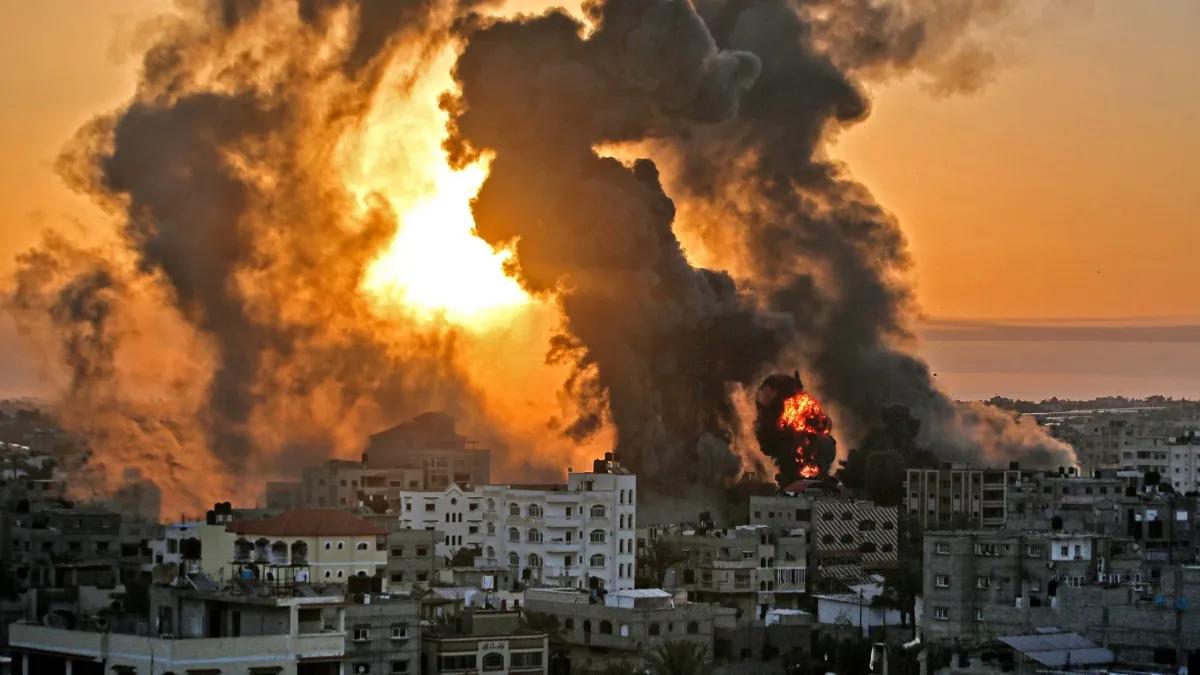
Israeli Attacks Push Gaza Death Toll to 72,551, Injuries Reach 172,274
10 sources compared

EU Foreign Ministers Postpone Sanctions Against Israel Over Gaza and West Bank
11 sources compared
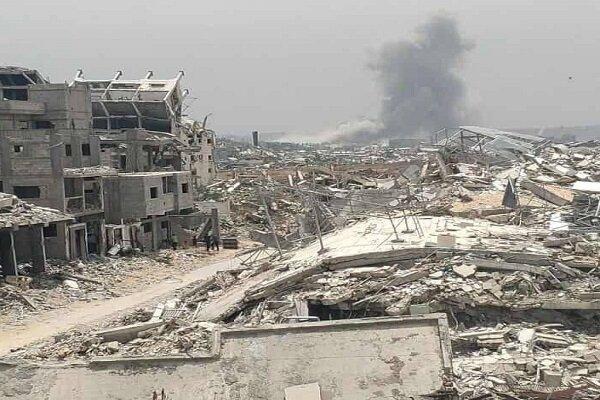
UNICEF Outraged After Israeli Forces Kill Two Water Truck Drivers in Northern Gaza
19 sources compared
Trump’s Gaza Peace Council Talks Paused After US-Iran War Breaks Out
10 sources compared