USA18 December, 20252 min read
Trump Announces $1,776 'Warrior Dividend' for 1.45 Million Service Members Ahead of Christmas
President Trump announced one-time $1,776 payments to about 1.45 million U.S. service members. Administration said tariff revenues and recent legislation would fund the payments.

40 outlets told this the same way.
Outlets did split on Trump Interrupted by Protesters at San Antonio Rally for Ken Paxton →
One-time military payout
President Donald Trump announced a one-time "Warrior Dividend" of $1,776 to be paid to about 1.45 million U.S. service members before Christmas, saying the checks are already being sent and describing the amount as a tribute to 1776.
“1.45 million US service members will receive a $1,776 ‘warrior dividend’ payment — which he said is already being sent and should arrive before Christmas.”
Multiple outlets report the White House tied the payout to tariff revenue and recent legislation, and several accounts say the payments are intended for active-duty and reserve members in pay grades O-6 and below and will arrive before Dec. 25.
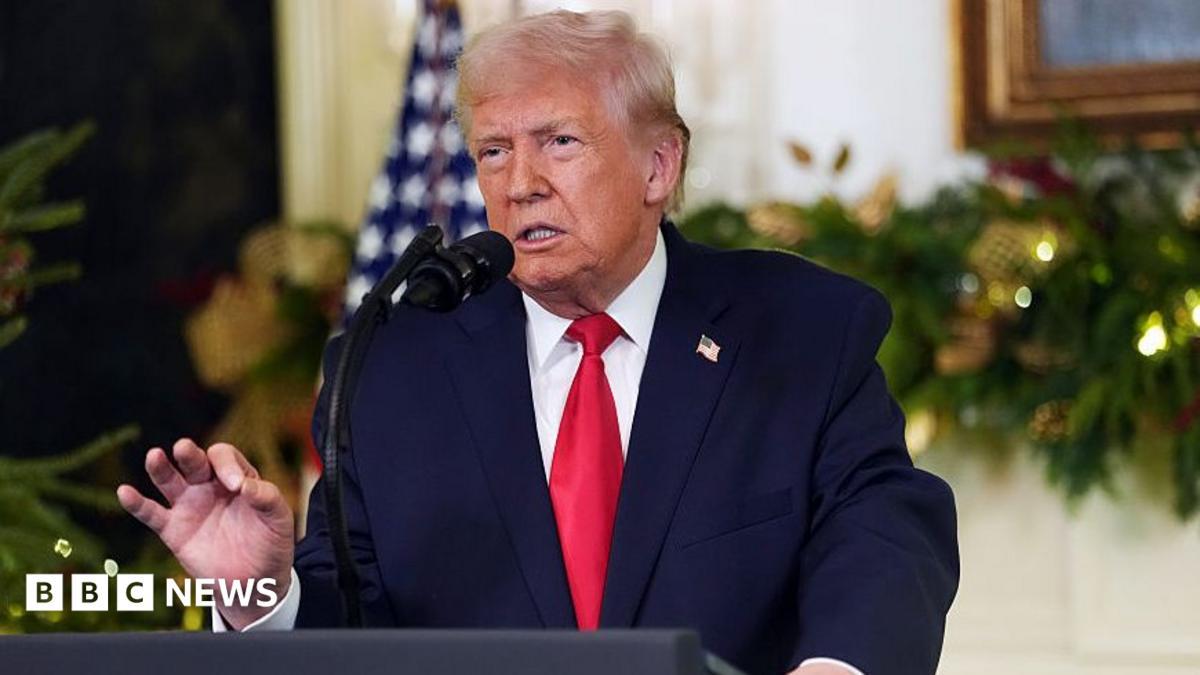
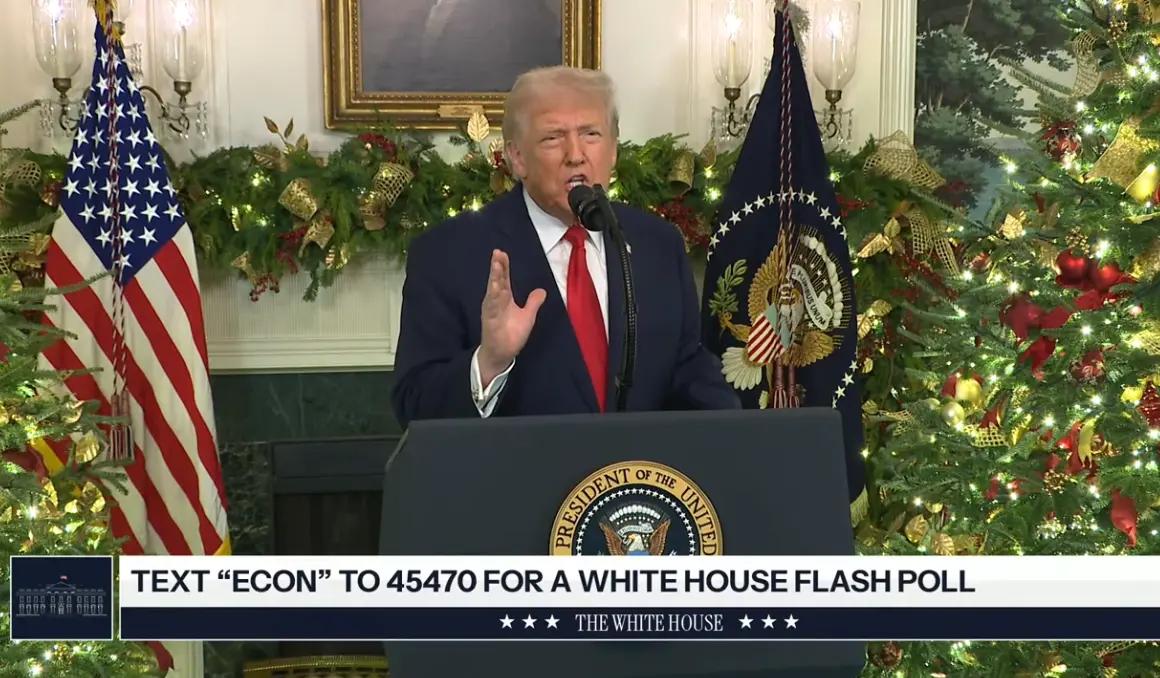
The announcement was part of a prime-time address in which Trump highlighted his economic record and framed the payment as recognition of military service.
Military pay distribution details
Reports specify eligibility and the mechanics for distribution differently, with several outlets saying active-duty personnel (officers O-6 and below) and reserve members on active-duty orders of at least 31 days as of Nov. 30, 2025, are included.
The Pentagon will use existing pay systems to disburse the money without requiring applications.
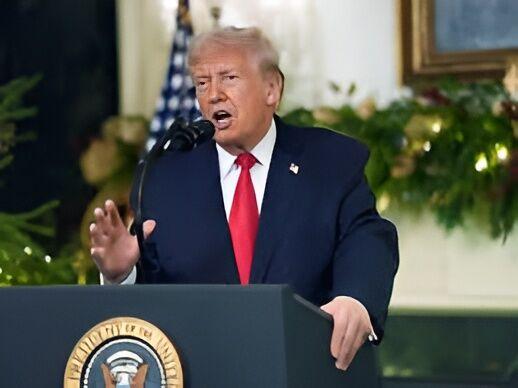
Some pieces emphasize rapid direct deposits or automatic payroll processing.
One defense outlet states the Defense Secretary directed the Pentagon to issue the funds as a one-time Basic Allowance for Housing (BAH) supplement.
Legal and political concerns
Legal and fiscal questions surfaced immediately. Several outlets reported it is unclear whether the president has authority to route tariff revenue directly for such payments. They noted the Supreme Court has shown skepticism about using emergency executive powers tied to tariffs.
“Trump said the checks are being funded by tariff revenues, but it’s unclear he has the legal authority to make the payments and the administration’s tariff actions face skepticism from the Supreme Court over use of IEEPA powers.”
Critics warned the plan could face congressional and legal hurdles. Other coverage framed the move as politically timed ahead of elections and linked it to broader debates about who controls federal appropriations.
Media reaction to presidential speech
Coverage differed sharply in tone and emphasis. Outlets aligned with or sympathetic to the administration framed the dividend as a patriotic, symbolic reward and evidence of an economic turnaround. Many mainstream and critical outlets stressed skepticism about the plan's logistics, timing and political motives.
Some pieces noted the speech was used to make broader economic claims, including tariff-driven manufacturing gains and tax proposals, and to attack political opponents. Other accounts described the address as conventional year-end rhetoric or even disconnected from reality.
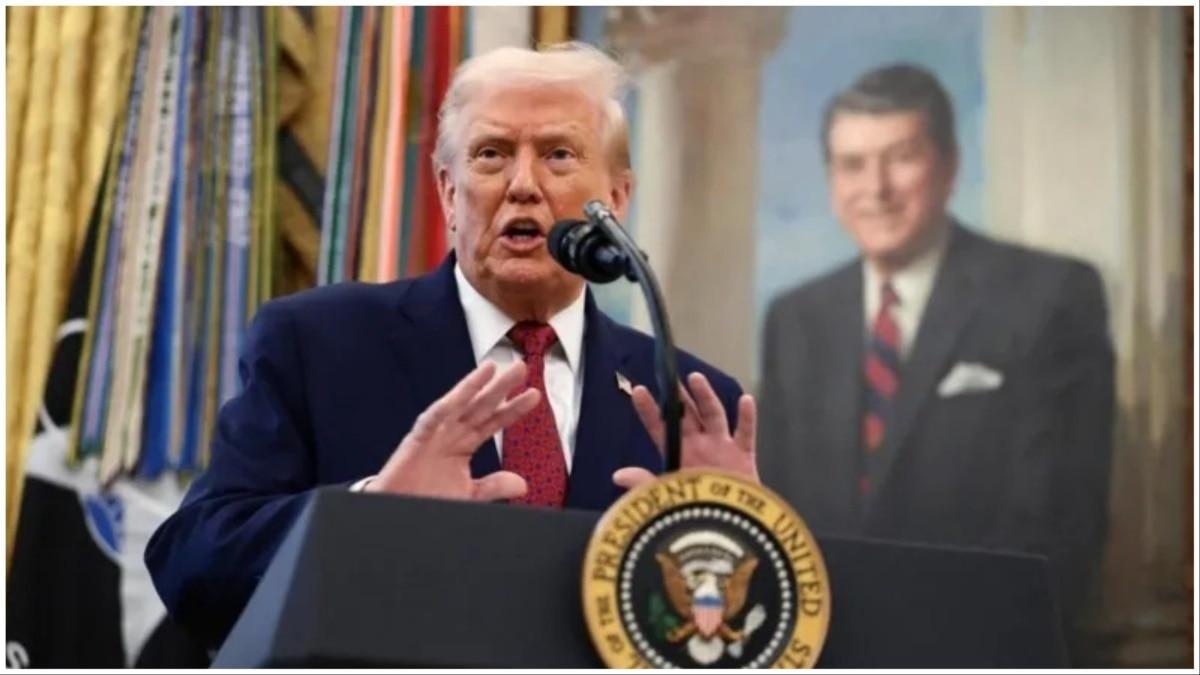
Reactions to troop payments
Outlets noted the payments cost roughly $2.6-$2.9 billion and observed they coincide with a congressionally passed 3.8% troop pay raise in the National Defense Authorization Act, prompting questions about priorities and overlap.
“With about 1.45 million service members, the payouts would cost roughly $2.6 billion; the Senate had also just sent the National Defense Authorization Act to Trump’s desk, which contains a separate 3.8% military pay raise.”
Some reports and social posts praised the surprise holiday payments as helpful for families, while others warned the tariff-funding claim could be disputed and the initiative might face legal or congressional pushback.