Trump Announces Project Freedom to Guide Ships After Iran Blocks Strait of Hormuz
Key Takeaways
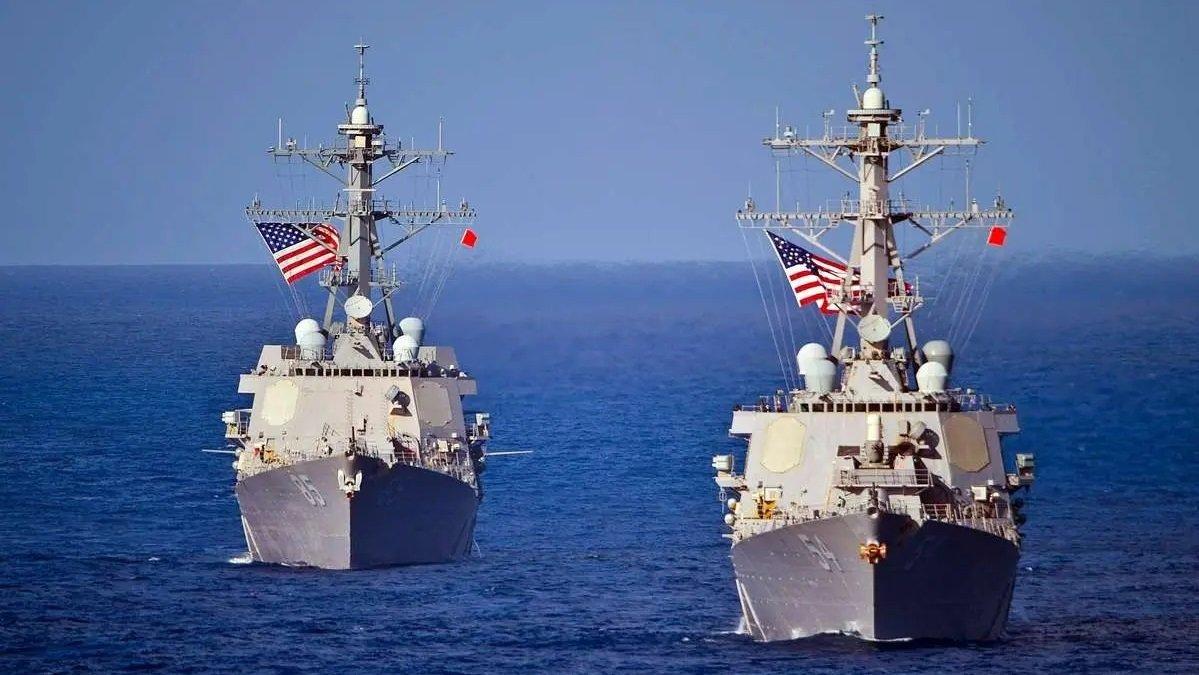
- Two US destroyers Truxtun and Mason transited the Strait of Hormuz after dodging Iranian attacks.
- Trump announced Project Freedom to guide vessels through Hormuz, restoring freedom of navigation.
- CENTCOM said U.S. forces destroyed six Iranian fast boats and intercepted missiles and drones.
Project Freedom Begins
President Donald Trump announced the U.S. would help “guide” ships stranded by Iran’s closure of the Strait of Hormuz, framing the effort as a humanitarian gesture “meant to free up people, companies, and Countries that have done absolutely nothing wrong.”
“2 US destroyers transit Strait of Hormuz after dodging Iranian attacks: report Two US Navy destroyers have passed through the Strait of Hormuz and entered the Gulf after navigating an Iranian barrage, US media outlet CBS News reported on Monday night”
The BBC reported that Iran says vessels can only cross the strait with its authorisation, while Iran’s military says it has fired at US warships to deter them and the US says it has sunk small boats, threatening a ceasefire meant to end the war.

The BBC also tied the blockade to the period after the US and Israel launched air strikes on Iran on 28 February, with Tehran responding by blocking the waterway through which “20% of the world’s oil and liquefied natural gas is meant to pass freely.”
The BBC said an estimated “20,000 sailors and 2,000 ships have been trapped since,” citing the International Maritime Organisation.
In Washington, CBS News reported that Defense Secretary Pete Hegseth and Joint Chiefs Chairman Gen. Dan Caine were holding a news conference as the ceasefire faced “serious tests,” with Hegseth saying, “Iran cannot be allowed to block innocent countries and their goods from an international waterway.”
CBS News also said Project Freedom is “separate and distinct from Operation Epic Fury,” and Caine described the mission as a “temporary solution” for the U.S.
The CBS report added that the operation’s forces are comprised of “15,000 American service members,” including guided missile destroyers, “100 attack aircraft and other unmanned aircraft,” and that the assets are being synchronized by the “82nd Airborne Division.”
Escalation and Implementation
The BBC described how the Hormuz Strait had remained “largely blocked since the US and Israel launched air strikes on Iran on 28 February,” and how Tehran responded by blocking the crucial waterway.
It said the U.S. Central Command (Centcom) stated that “guided-missile destroyers, over 100 land and sea-based aircraft, multi-domain unmanned platforms, and 15,000 service members” were being used to support the operation.

In a briefing on the first day of the operation, Centcom commander Adm Brad Cooper said vessels from “87 countries were stranded in the Gulf” and that the U.S. had contacted “dozens of ships and shipping companies to encourage traffic flow through.”
The BBC also reported that what remained unclear was whether the U.S. would attempt to provide stranded ships with a military escort, with Cooper saying a “much broader defensive package” was on offer without giving details.
CBS News added that Caine said the mission includes guided missile destroyers and other warships that are “detecting and defeating Iranian threats,” and that the operation is being synchronized by the “82nd Airborne Division.”
In parallel, Türkiye Today reported that CENTCOM Commander Adm. Brad Cooper said American forces destroyed “six Iranian fast boats” and intercepted multiple cruise missiles and drones during the opening phase of Project Freedom.
Türkiye Today said the USS Truxtun and USS Mason, supported by Apache and Seahawk helicopters and other aircraft, faced what U.S. defense officials described as “a sustained barrage” of coordinated Iranian attacks during passage through the strait, and that neither vessel was struck.
The same report quoted Cooper saying, “We have defeated each and every one of those threats through the clinical application of defensive munitions,” and it added that Cooper said Iranian fast boats were sunk by U.S. Apache and Seahawk helicopters.
Iran’s Response and U.S. Denials
The BBC reported that hours after the U.S. operation was meant to have begun on Monday, Iran’s military said it had fired against “American and Zionist enemy destroyers,” which it said the Americans had “disregarded,” while Centcom quickly denied Iranian claims that one of its warships had been hit by two missiles.
“What we know about Trump's 'Project Freedom' in Strait of Hormuz President Donald Trump has announced the US will help "guide" ships that have been stranded by Iran's closure of the Strait of Hormuz”
The BBC said that according to Centcom, Iran did fire cruise missiles at both U.S. warships and U.S.-flagged commercial ships, while drones and small boats were used against commercial ships.
It also reported that in a post on Truth Social, Trump said Iran had “taken some shots” at “unrelated nations,” and that the UAE said a tanker affiliated with Adnoc had been targeted by two drones as it transited the Strait of Hormuz, with no-one injured.
CBS News said defense officials described two U.S. Navy destroyers transiting the Strait of Hormuz on Monday “dodging a barrage of Iranian drones and missiles,” and it reported that Iran’s foreign minister said Monday’s violence showed “there’s no military solution” to the war.
CBS News added that Iran’s state-run IRNA news agency rejected the assertion, saying none of its so-called “fast boats” were destroyed Monday.
Türkiye Today, however, reported a dispute over what was sunk, saying Trump estimated the U.S. had sunk seven Iranian fast boats in a social media post while Iran’s semi-official Tasnim News Agency disputed the U.S. account and said an investigation found American forces had attacked two small cargo boats traveling from Khasab, Oman toward Iran.
The Türkiye Today report quoted the Tasnim-cited source saying five civilian passengers were killed in what it described as a “hasty” action driven by U.S. “fear” of IRGC fast-boat operations, and it said CENTCOM did not immediately respond to the civilian death claim.
The BBC also said Iran’s Islamic Revolutionary Guard Corps denied any vessels had passed through the Strait, while the U.S. said it had sunk small boats and was actively assisting commercial transit.
Ceasefire Under Strain
CBS News described the ceasefire as facing “serious tests,” with Hegseth and Caine speaking as U.S. Navy destroyers, attack drones, and small boats supported two commercial vessels transiting the Strait of Hormuz.
Hegseth said, “Iran cannot be allowed to block innocent countries and their goods from an international waterway,” and he called Project Freedom a “temporary solution,” adding, “the world needs this waterway more than we do.”

CBS News said Caine described the operation’s forces as detecting and defeating Iranian threats, and it reported that the back-and-forth could pose a test to the U.S. and Iran’s fragile ceasefire, which Trump extended indefinitely last month while the two sides negotiate a longer-term deal.
The Washington Post framed the situation as “threatening the shaky ceasefire between Iran and the United States,” describing “a sharp escalation in attacks in the Strait of Hormuz and the Persian Gulf” as the two sides struggle to make progress in talks on a lasting end to the war.
Türkiye Today reported that Cooper declined to comment on whether he believed the April 8 ceasefire remained in effect, and it said the U.S. operation also involved clearing a pathway of Iranian mines before the destroyers transited, according to Reuters.
Anadolu Ajansı reported that a ceasefire took effect on April 8 through Pakistani mediation, but talks in Islamabad failed to produce a lasting agreement, and it said the truce was later extended by Trump without a set deadline.
Anadolu Ajansı also reported that since April 13, the United States has enforced a naval blockade targeting Iranian maritime traffic in the Strait of Hormuz.
In the same reporting stream, Iranian Foreign Minister Abbas Araghchi said early Tuesday that “there is no military solution to a political crisis,” warning the U.S. against escalation while citing “progress” in peace talks mediated by Pakistan, and CBS News quoted him warning the U.S. and regional partners to be “wary of being dragged back into quagmire by ill-wishers.”
What Happens Next
The BBC reported that Centcom said US Navy guided-missile destroyers were operating in the Gulf “after transiting the Strait of Hormuz in support of Project Freedom,” and it said American forces were “actively assisting efforts to restore transit for commercial shipping.”
The BBC also said that “As a first step, 2 U.S.-flagged merchant vessels have successfully transited through the Strait of Hormuz and are safely headed on their journey,” while it noted that no details were released about the identity of the commercial vessels.
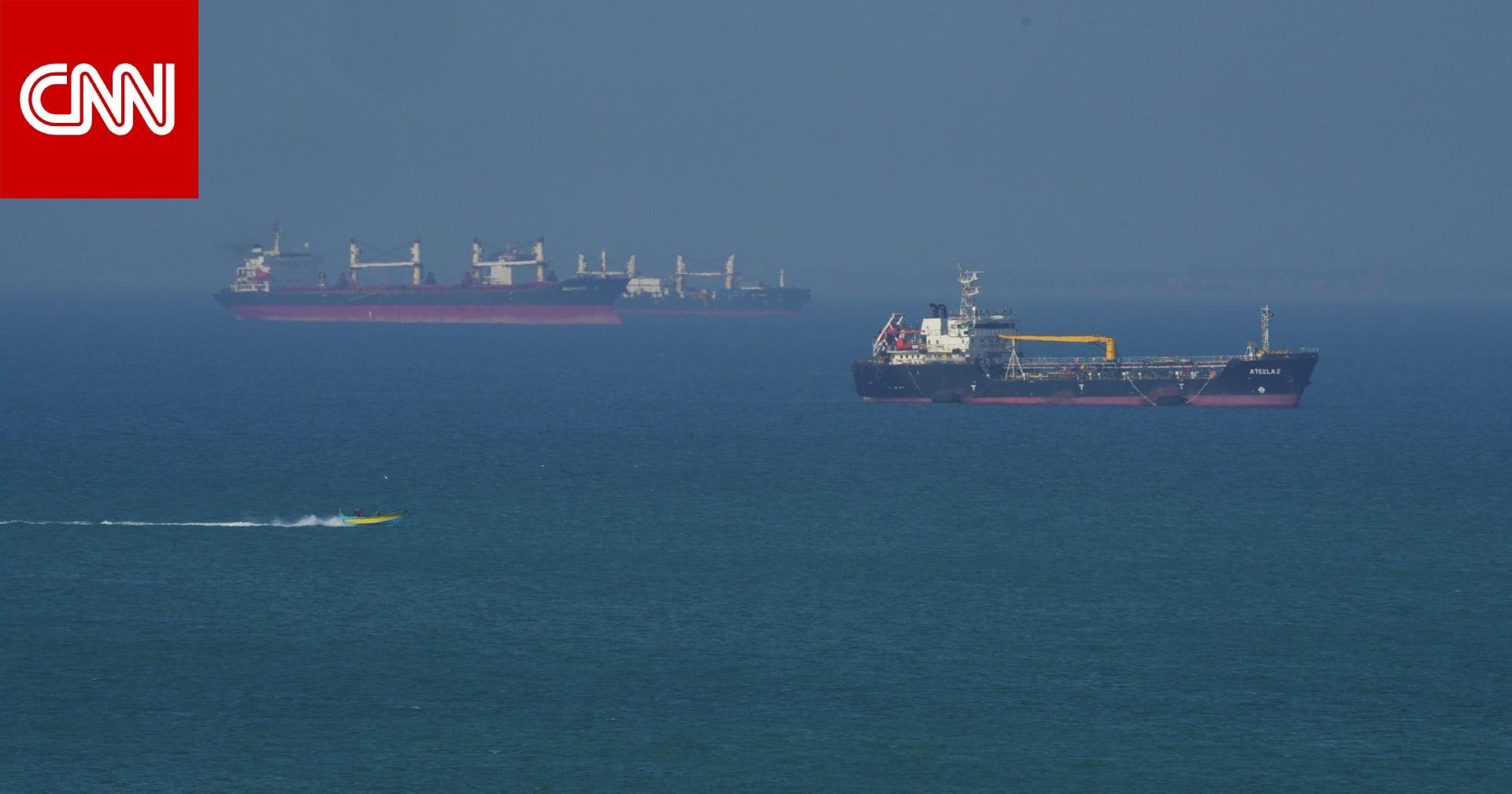
The BBC added that shipping company Maersk confirmed that one of its vessels had been able to exit the Gulf, accompanied by the US military, while Iran’s Islamic Revolutionary Guard Corps denied any vessels had passed.
In parallel, Türkiye Today said Cooper told reporters the U.S. operation went beyond a conventional escort mission, describing a multi-layered defensive arrangement spanning ships, helicopters, fixed-wing aircraft and electronic warfare capabilities, and it quoted him saying, “If you're escorting a ship, you're playing kind of one on one. I think we have a much better defensive arrangement in this process.”
Türkiye Today also reported that Cooper said U.S. commanders on the scene had “all the authorities necessary to defend their units and to defend commercial shipping,” and that he strongly advised Iranian forces to “remain well clear of U.S. military assets.”
The BBC said Cooper believed Project Freedom would be focused on providing air cover and defence from missile and drone attacks rather than a physical escort, and it quoted Mick Mulroy warning that “the question is whether ships will trust their ability to get through without being attacked, and more importantly, the insurance company.”
The Insurance Journal reported that the U.S. military said two U.S. Navy guided-missile destroyers had entered the Gulf to break an Iranian blockade and that two U.S. merchant ships had transited the Strait of Hormuz, and it quoted Trump saying, “We have told these Countries that we will guide their Ships safely out of these restricted Waterways, so that they can freely and ably get on with their business,” in a post on his Truth Social site on Sunday.
The same Insurance Journal report said Iran’s unified command told commercial ships and oil tankers, “We warn that any foreign armed forces, especially the aggressive U.S. Army, will be attacked if they intend to approach and enter the Strait of Hormuz.”
More on USA

Trump’s Endorsed Indiana Senate Challengers Face Test in Ohio and Indiana Republican Primaries
23 sources compared
Iran Says US Killed Five Civilians in Strait of Hormuz Passenger Boat Attacks
23 sources compared

Trump Calls One U.S. Brigade Back From Germany, Testing NATO Unity
10 sources compared

U.S. Sinks 7 Iranian Boats as Iran Launches Missiles and Drones at UAE
10 sources compared