USA02 February, 20262 min read
Trump Announces Two-Year Closure of Kennedy Center After Renaming Sparks Backlash
This article is an automated aggregation of coverage from news outlets. Our editorials offer in-depth analysis curated by the NewsCord team.
Trump announced the Kennedy Center will close July 4 for roughly two years for renovations. Renaming to include Trump's name prompted performer cancellations, Kennedy-family criticism, and a lawsuit.
16 outlets told this the same way.
Outlets did split on Trump Interrupted by Protesters at San Antonio Rally for Ken Paxton →
Kennedy Center closure plan
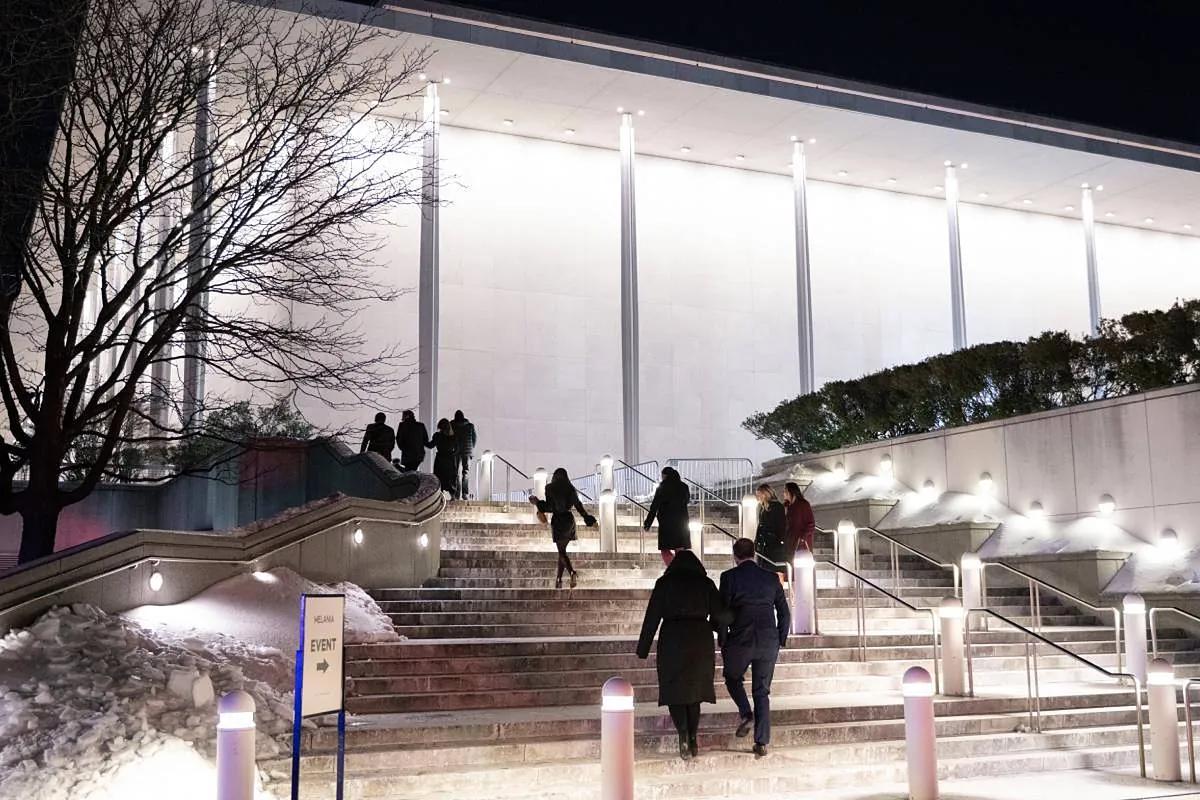
President Donald Trump announced on social media that the John F. Kennedy Center for the Performing Arts will close beginning July 4 for roughly two years for a complete, top-to-bottom rebuilding renovation.
“President Trump announced on Truth Social that the ‘Trump Kennedy Center’ will close July 4 — coinciding with the nation’s 250th anniversary — for a two-year, top-to-top renovation to become a ‘new and spectacular entertainment complex.’”
He said a full closure will allow faster, higher-quality work.
He asserted that financing has been secured.
He also said the plan is "totally subject" to approval by the board he installed.
Kennedy Center fallout
The announcement comes after Mr. Trump reshaped the Kennedy Center’s board, installed himself as chair and pushed to add his own name to the façade — moves that have been followed by a cascade of cancellations and departures among high-profile artists and resident institutions.
Reports and excerpts list withdrawals or cancellations by Hamilton, Renée Fleming and Philip Glass, and actions by the Washington National Opera, alongside leadership exits and at least one abrupt departure in artistic programming.
Controversy over facade renaming
Legal and political objections have been prominent in coverage.
“The Kennedy Center ... has drawn sharp opposition from some members of Congress and members of the Kennedy family over the change; Kerry Kennedy said she would remove Trump’s name after his term.”
Several outlets highlighted criticism from members of the Kennedy family and some members of Congress.
They reported that the facade name change has not received required congressional approval, a point now central to debate over the institution's future identity.
One report quotes Kerry Kennedy saying she would remove Mr. Trump's name after his term, while other outlets framed the renaming as part of a broader effort to reshape national landmarks.
Kennedy Center: audience and finances
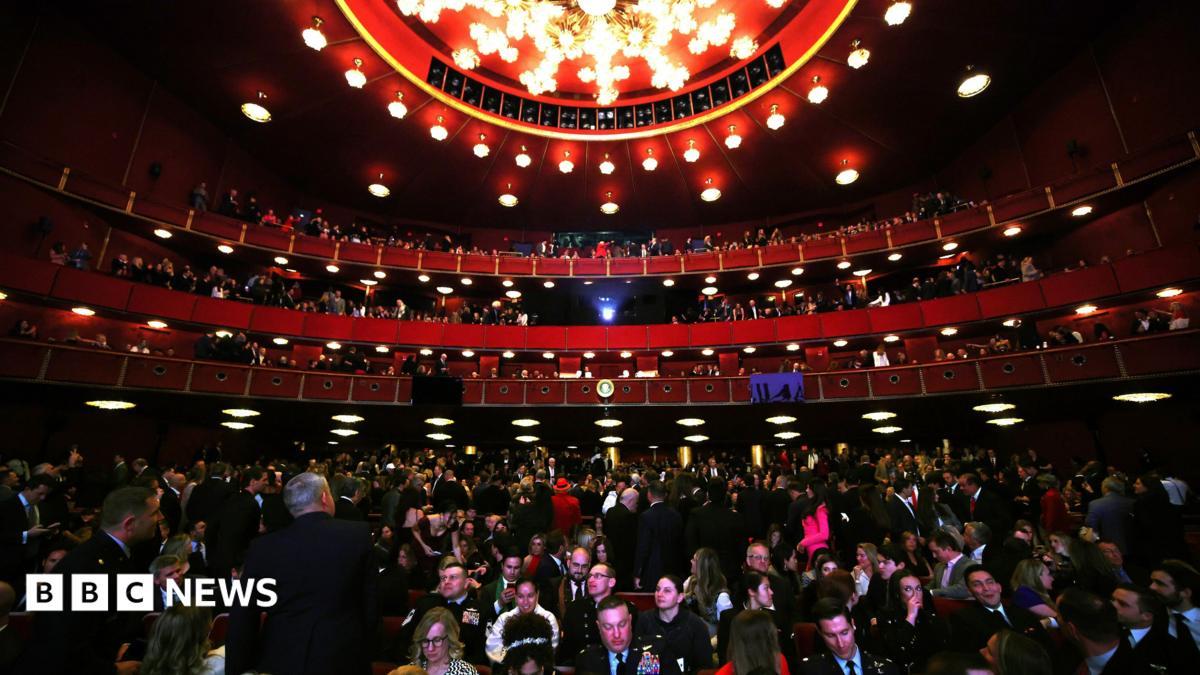
Coverage highlights declining audience metrics and speculation about the center's finances. Reviews and reporting cite Washington Post and Nielsen/AFF data showing ticket sales were at their lowest post-pandemic levels, with tens of thousands of unsold seats. The Trump-hosted Kennedy Center Honors drew TV viewership down roughly 25% year over year.
At the same time, several outlets note Trump's claims of secured financing but point out he did not disclose funding sources. Some pieces report critics' speculation about financial strain or demolition as part of the debate over the center's future.

Center closure and coverage
Practical questions remain about governance, event scheduling and public response. The center did not immediately comment to some outlets about operational details of the closure. Institutions such as the Washington National Opera have moved performances.
“The center, which hosts hundreds of performances and several resident companies, did not respond to requests for comment, and it’s unclear whether scheduled events will be postponed or moved.”
The center faces ongoing internal turmoil and staff resignations, and some news outlets report it will announce replacements or revised programs for specific concerts. Coverage varies by outlet type, from straightforward timeline reporting to critical and cultural-impact angles.