Iran-Israel20 February, 20263 min read
Trump Appears Ready to Strike Iran
President Trump is considering limited military strikes on Iran to pressure a nuclear deal U.S. has reinforced forces, including USS Abraham Lincoln and USS Gerald R. Ford, near Iran

66 outlets told this the same way.
Outlets did split on U.S. Intercepts Iran Message Activating Sleeper Cells After U.S.-Israel Strike Kills Khamenei →
Israel National News was read line by line by the Watchdog: 3.0. See the score →
Trump's Iran options, timeline
President Donald Trump has publicly said he is "considering" limited military strikes on Iran while keeping diplomacy on the table. He set a roughly 10–15 day public deadline for a deal as U.S. envoys engage in indirect talks in Geneva. U.S. officials and aides say the president has been presented with a range of military options.
“The world will likely know within ‘probably 10 days’ whether a deal is reached or the U.S. will act.”
News18 quotes Trump saying he is "considering" a limited strike to pressure Tehran. CNBC reports Trump expects to decide within "10–15 days."

Al-Jazeera Net says he is keeping the military option open while aides told Axios he hasn’t ruled it out, and the BBC reports the president has used a similar public timeline ('probably 10 days') and is weighing options. These public statements sit alongside ongoing indirect diplomacy in which Iranian negotiators say they will prepare a draft reply in the coming days.
U.S. Middle East deployments
U.S. forces have been visibly reinforced in and around the Middle East.
Several reports document the movement of carrier strike groups, additional combat aircraft, refuelling tankers and other assets that sources say give the president a range of kinetic options.

CNBC reports the aircraft carrier USS Abraham Lincoln is already in the region and the USS Gerald R. Ford is en route.
EFE details "dozens of refueling tankers, more than 50 additional fighter jets and two carrier strike groups."
The National News says the Ford strike group transited the Strait of Gibraltar into the Mediterranean.
PBS and CNN commentators have highlighted the scale and strategic purpose of the deployments.
Iran diplomacy and strike warnings
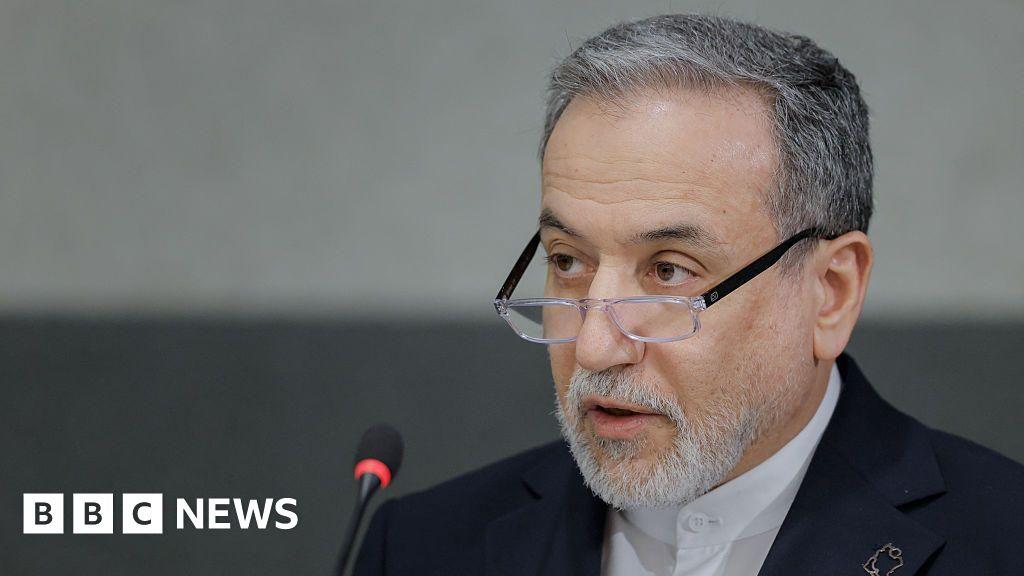
Iran’s officials publicly rebut U.S. characterizations and say they are pursuing diplomacy while warning against strikes. Deputy foreign minister Abbas Araghchi is quoted across several outlets saying U.S. negotiators did not demand 'zero enrichment', and Firstpost reports he told MSNBC negotiators have not asked Iran to stop enrichment.
“Araghchi told MSNBC that US negotiators have not asked Tehran to stop uranium enrichment and that Iran has not offered a suspension.”
Araghchi says Tehran is preparing a draft counterproposal or agreement to hand to U.S. intermediaries within 'two, three days', according to The Guardian and the BBC. He warned that military strikes would complicate or derail talks, and RTE and The Independent note Iran’s warnings that any strike would have serious consequences.
Risks of a limited strike
Analysts and regional officials cited across outlets warn a limited strike would carry large risks, including derailing talks, provoking Iranian retaliation (including via proxies), disrupting shipping and oil markets in the Strait of Hormuz, and widening into a longer conflict. Several sources quote analysts saying strikes would 'likely derail diplomacy' (УНН) and that markets fear disruptions to oil flows through the Strait of Hormuz (CNBC).
PBS and UNN note the risk of escalation and that a strike could 'collapse talks' or end negotiations. Commentators and lawmakers have also pressed legal and political constraints, including a War Powers resolution introduced in Congress to require authorization for strikes (thenewsherald, Click2Houston).

Media coverage differences
Coverage differs by outlet type: Western mainstream reports (CNBC, BBC, The Guardian, EFE) foreground military options, timelines and economic fallout. West Asian outlets (Al-Jazeera Net, PressTV, The National News) emphasize Iranian messaging, diplomacy and regional consequences. Western alternative and other outlets (UPI, PBS, thenewsherald) amplify legal, political and strategic criticisms at home.
These variations change emphasis—some outlets highlight imminent strike possibilities (The Independent said forces 'could be ready to strike as soon as Saturday'). Others underline ongoing talks and Iran's draft timing (BBC, The Guardian, Firstpost). Some report political pushback such as denied base access requests (The National News).