
Trump Approval Rating Hits 34% Record Low as Minnesota Medicaid Funding Cuts Loom
Key Takeaways
- Trump approval at record low amid Iran war and cost-of-living concerns.
- Polls show increasing unpopularity as support wanes during Iran conflict.
- Deadline before legal authorization to continue Iran war; multiple outlets report.
Approval, polls, and politics
President Donald Trump’s approval rating has continued to drop as his second term heads into May 2026, with one data set showing a “new record low of 34% approval,” according to The List Wire.
“In Florida, Trump seeks to revive his popularity”
The same article says overall approval numbers “still fluctuate between 34% and 45% across polls,” and that state-level results range “below 20%” in some places and “one has risen to 60%.”

The List Wire lists Hawaii at “19%” and Vermont at “21%,” while Wyoming is listed at “60%” and West Virginia at “53%.”
In Minnesota, MinnPost reports that a Minnesota Office of the Inspector General bill advanced after the House Ways and Means Committee “advanced the measure to the full House,” but it hinges on federal approval from the Trump administration’s Centers for Medicare and Medicaid services.
MinnPost also ties the issue to CMS cutting off Medicaid funding to Minnesota, describing that on Thursday the Trump administration “once again announced it is cutting off Medicaid funding to Minnesota.”
In a separate national snapshot, Noovo Info says an AP-NORC poll found “about four in ten American adults approve of Trump's performance as president,” and that the figure “has remained virtually unchanged since March 2025.”
Noovo Info adds that “Only 37% of American adults approve of how he is handling the economy,” and that “About six in ten American adults say that the president has contributed more to increasing the cost of living during his second term.”
Medicaid watchdog blocked
MinnPost reports that a Minnesota Office of the Inspector General proposal is designed “to prevent the fraud that is plaguing a number of Medicaid programs,” but the bill’s progress depends on federal sign-off.
The article says the bill “breezed through the state Senate last year,” has support from Gov. Tim Walz, and that on Wednesday night the House Ways and Means Committee advanced the measure to the full House.

Bill author Matt Norris, DFL-Blaine, is quoted saying the bill “is a result of intense negotiations over many months to get the details right,” after committee passage.
The key obstacle, MinnPost says, is that “The Trump administration, specifically the Centers for Medicare and Medicaid services, must green light the Minnesota Office of Inspector General investigating Medicaid fraud.”
MinnPost links that requirement to CMS actions against Minnesota, stating that “This is the very part of the Trump administration that, on Thursday, once again announced it is cutting off Medicaid funding to Minnesota.”
The article also describes a federal court battle over whether CMS can defer “another $250 million in Medicaid money,” and says state officials are “hopeful this money will be recouped.”
It further notes that CMS threatened to withhold “over $2 billion in Medicaid payments to Minnesota” over “systemic fraud,” and that CMS has delayed “by months approving a plan to use Medicaid dollars to pay nursing home workers.”
MinnPost quotes Rep. Mohamud Noor, DFL-Minneapolis, saying that the IG “may be able to investigate Medicaid fraud kind of conflicts with the single state agency requirement,” and it adds that Norris responded by saying Minnesota is “ultimately asking CMS for approval and sign off on because we want to make doubly sure we’re not putting federal dollars at risk.”
Iran war powers deadline
A Reuters report carried by The Times of Israel says US President Donald Trump faces a deadline on Friday to end the Iran war or make the case to Congress for extending it, but analysts and congressional aides expect the date to pass without changing the conflict’s course.
The article says the Iran conflict began on February 28, when “Israel and the United States began airstrikes on Iran,” and that Trump formally notified Congress “48 hours later,” starting a 60-day clock under the 1973 War Powers Resolution that “ends May 1.”
Under that framework, the Reuters text says the president can wage military action for only “60 days” before ending it, coming to Congress for authorization or seeking a “30-day extension due to ‘unavoidable military necessity regarding the safety of United States Armed Forces.’”
The Times of Israel also reports that Trump is scheduled to receive a briefing on Thursday on plans for “fresh military strikes on Iran,” and that if fighting resumes, Trump can tell lawmakers he has started another “60-day clock.”
The report frames the dispute as partisan, quoting Christopher Preble, a senior fellow at the Stimson Center think tank in Washington, saying, “It’s partisanship, plain and simple,” and that “Republicans refuse to defy the president, simple as that.”
It also includes a White House official’s anonymous statement that “Members of Congress who try to score political points by usurping the Commander-in-Chief’s authority would only undermine the United States Military abroad.”
The Reuters text says Democrats have tried since the war began on February 28 to pass resolutions seeking to force Trump to withdraw US forces or obtain congressional authorization, but Trump’s Republicans “have voted them down almost unanimously.”
Letter says war ended
DW reports that Trump sent a letter to Congress asserting that the war against Iran has “ended,” on the day that would mark the deadline to request permission from Congress to keep troops deployed in the Middle East.
DW says the document, obtained by Politico, seeks to close the debate over the need for the Trump administration to obtain approval from the Capitol for the continuation of the military operation.
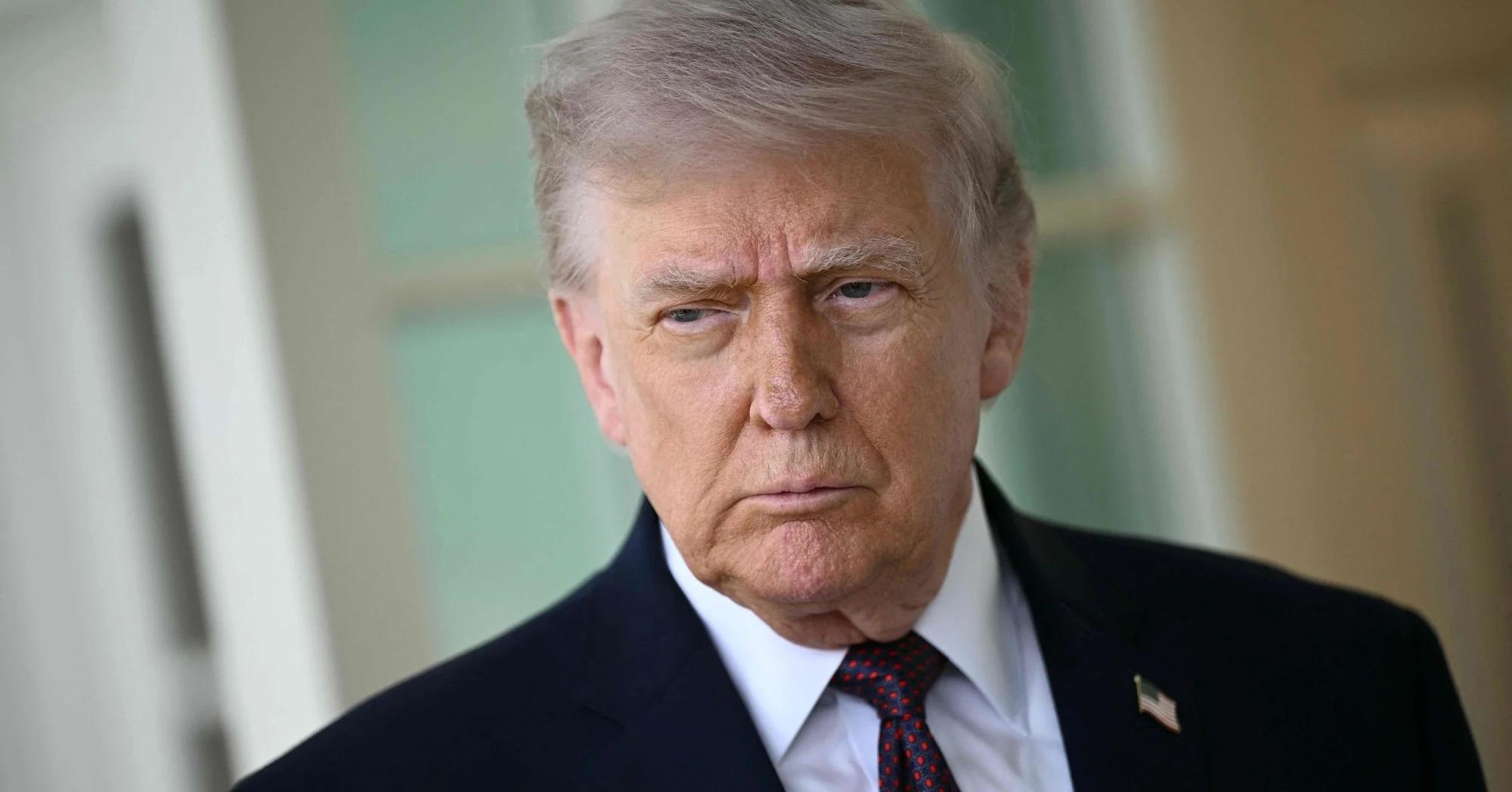
DW quotes Trump writing that “There has been no exchange of fire between the U.S. and Iran since April 7, 2026,” referring to a truce both sides declared on that date and which the Republican extended “unilaterally and indefinitely last week.”
DW also says Trump suggested the War Powers Act could be unconstitutional, and it quotes him: “There are some people who think it is unconstitutional,” and “We are always in touch with Congress, but no one has ever requested it before (...) Why should we be different?”
DW further reports that Trump made clear the war could continue, saying, “Despite the success of U.S. operations against the Iranian regime and the ongoing efforts to achieve lasting peace, the threat Iran poses to the United States and our Armed Forces remains significant.”
Notimérica adds that Trump told reporters, “They have made progress, but I don’t think they will succeed,” and that “We’ll see what happens,” when asked about Iran’s latest proposed agreement.
Reforma reports that “The White House told Congress that it considers the war with Iran to be over, despite the presence of U.S. troops in the region,” reinforcing the same position in a separate account.
Gerrymandering push after ruling
News From The States reports that President Donald Trump moved to capitalize on a U.S. Supreme Court decision weakening the federal Voting Rights Act by urging one governor to gerrymander his state and praising another for suspending an approaching primary.
“US Sector Briefs: the weekly briefing on sectoral and commercial topics prepared by the Washington Regional Economic Service”
The article says the court’s decision on Wednesday struck down Louisiana’s congressional map as unconstitutional and empowered other Republican states to break apart districts where most residents are Black for a partisan advantage.

It identifies Louisiana Gov. Jeff Landry and state Attorney General Liz Murrill, and says Trump thanked Landry on Truth Social for “moving so quickly to fix the Unconstitutionality” of the state’s map.
The same report says Trump also wrote that he had spoken with Tennessee Republican Gov. Bill Lee, who faces calls to immediately gerrymander the state, and it quotes Trump’s post: “I had a very good conversation with Governor Bill Lee, of Tennessee, this morning, wherein he stated that he would work hard to correct the unconstitutional flaw in the Congressional Maps of the Great State of Tennessee.”
The report says U.S. House Speaker Mike Johnson urged states to gerrymander their maps before the midterm elections, quoting Johnson: “I think all states that have unconstitutional maps should look at that very carefully and I think they should do it before the midterms.”
It also includes a Democratic response from Rep. Terri Sewell, an Alabama Democrat, who said of the court’s decision, “It values partisan politics over discrimination,” and “It’s really, really, really — I mean, it takes us back.”
The article says New York Gov. Kathy Hochul posted that she would work with the legislature to change the state’s redistricting process, and it notes that New York currently uses a commission system to draw maps.
More on USA
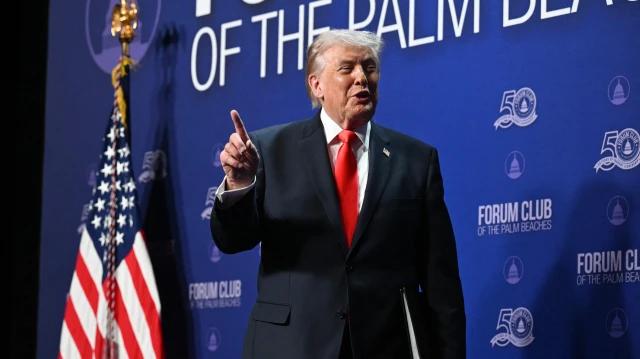
Trump Threatens To Take Control Of Cuba With USS Abraham Lincoln After Iran Operations
15 sources compared

Former Employee Drives Explosives-Filled Car Into Multnomah Athletic Club, Kills Driver in Portland
11 sources compared
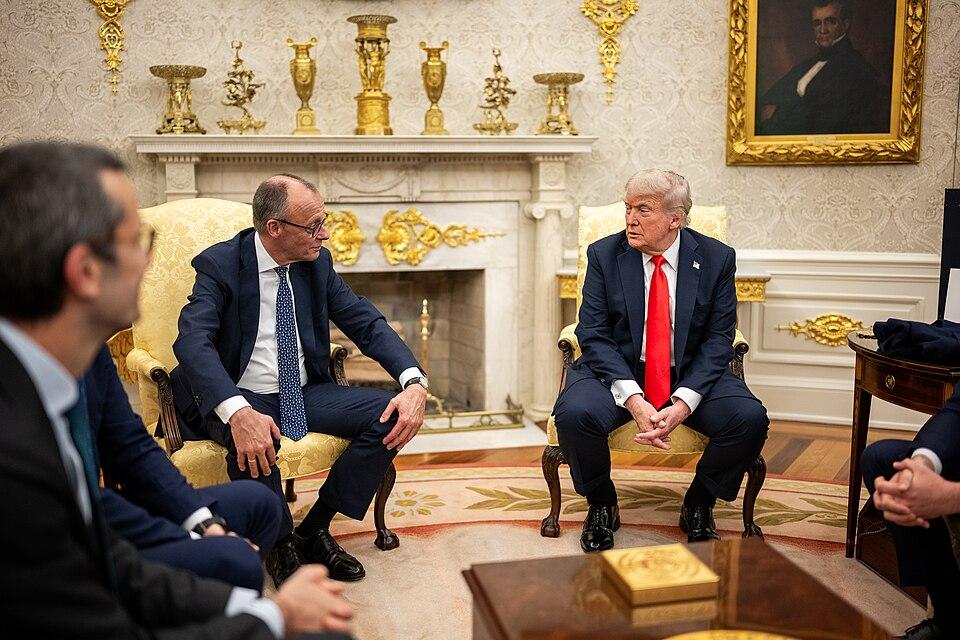
Trump Triggers Backlash Over Cutting U.S. Troops From Germany, Lawmakers Warn Putin
29 sources compared

Donald Trump Reviews Iran’s 14-Point Peace Proposal as Israel Strikes Southern Lebanon
84 sources compared