USA06 July, 20262 min read
Trump Approves Energy Facilities for AI Data Centers as Electricity Rates Spike Nationwide
This article is an automated aggregation of coverage from news outlets. Our editorials offer in-depth analysis curated by the NewsCord team.
AI-driven data centers push nationwide electricity costs higher, straining grids and margins. Analyses show Trump's energy policy raising consumer electric bills rather than cutting them.

AI demand meets anti-wind
President Donald Trump said he was shocked by how much energy developing artificial intelligence requires and told reporters Monday at the White House that his administration is approving plans for energy facilities to power data centers in “a matter of weeks.”
CNN reported that Trump promised to cut electric bills in half, but a new analysis says his energy policy is doing the opposite as electricity rates spiked nationwide by 7.4% since last fall.
CNN also said Energy Sec. Chris Wright was “thrilled” to celebrate the anniversary of Trump ending the clean energy tax credits last week, calling renewable energy “low-value.”
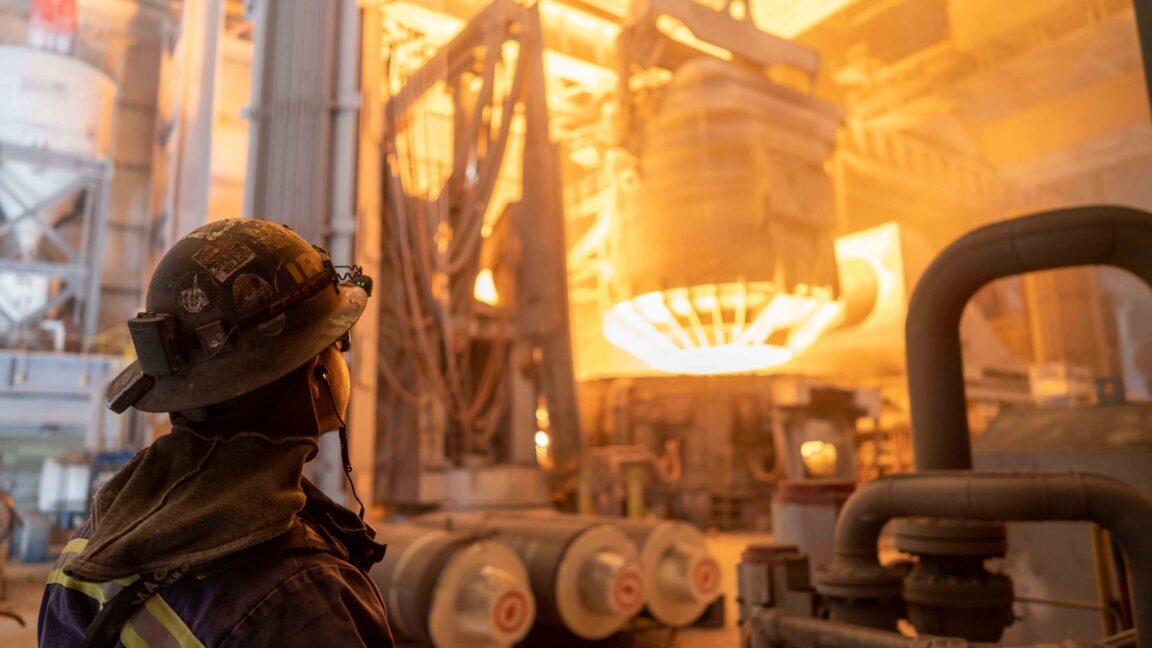
Ars Technica tied the strain to the largest power grid operator in the United States, saying US manufacturers in Rust Belt cities and towns are paying significantly higher electricity costs as data centers strain the grid.
Critics split on blame
The Guardian said the bipartisan Ratepayer Protection Act would fail to meaningfully protect the public from datacenters’ true costs, with Food and Water Watch policy director Jim Walsh warning, “They’re taking care of utilities and taking care of datacenters and the bill is posing as a consumer protection measure when in reality it will increase costs on consumers across the board.” CNN reported that the White House rejected Energy Innovation’s analysis as not fair and non-partisan, with White House spokesperson Taylor Rogers saying, “It’s no surprise that Energy Innovation — an organization that received over $20 million in direct funding from one of the largest progressive dark money groups — wrote a fraudulent analysis.”
Ars Technica described how the squeeze is hitting manufacturers, citing the Belden Brick Company in Ohio whose electricity bills rose from $1,600 to $12,000 per month due to a higher monthly capacity charge in the 13-state region served by PJM Interconnection. Ars Technica also reported that PJM’s capacity prices rose from $28.92 per megawatt-day in 2024 to $329.17 per megawatt-day in 2026, according to Reuters reporting.

What’s at stake next
Ars Technica said the resulting squeeze on profit margins for steelmakers and brick factories could further undermine President Donald Trump’s “Made in America” plan to revive US manufacturing. The Guardian reported that regions with higher numbers of datacenters have seen electricity costs spike by 267% over the past five years, and it said about 200 new datacenters have sprung up over the last three years to house infrastructure for artificial intelligence.
Inside Climate News reported that Trump said tech companies need access to double the country’s existing energy capacity to advance technologies and outpace foreign competitors. CNN added that Energy Innovation found the collective impact of the administration’s actions will raise costs on American households by more than half a trillion dollars by 2040, while on average individual households will pay $460 more for their energy costs by 2035 and up to $490 more per household by 2040.