Gaza Genocide12 November, 20253 min read
Trump Asks Israeli President Isaac Herzog To Fully Pardon Benjamin Netanyahu After Gaza Ceasefire
This article is an automated aggregation of coverage from news outlets. Our editorials offer in-depth analysis curated by the NewsCord team.
Trump formally asked Israeli President Isaac Herzog to fully pardon Prime Minister Benjamin Netanyahu Trump called Netanyahu’s corruption prosecutions "political" and "unjustified"
63 outlets told this the same way.
Trump urges Netanyahu pardon
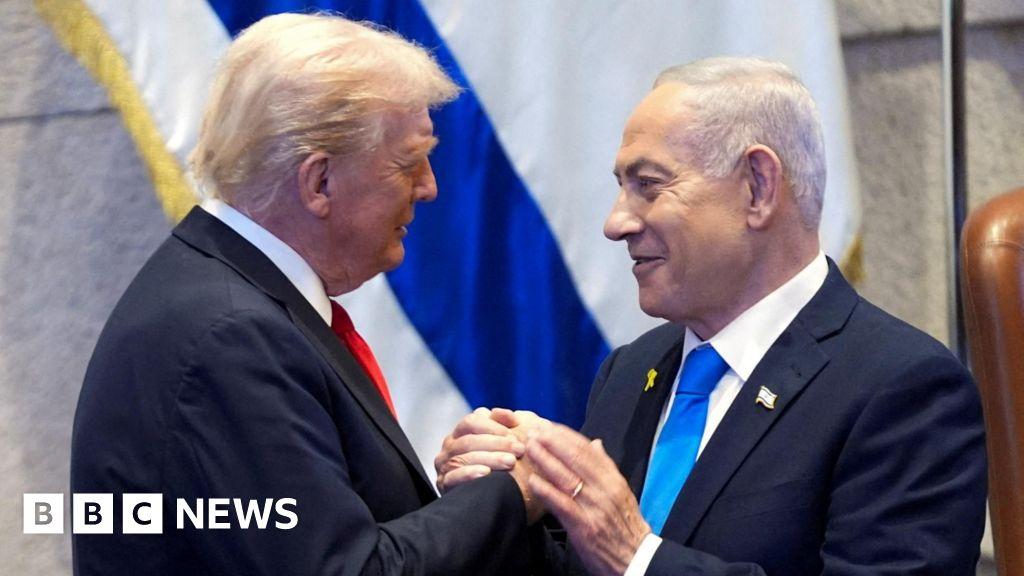
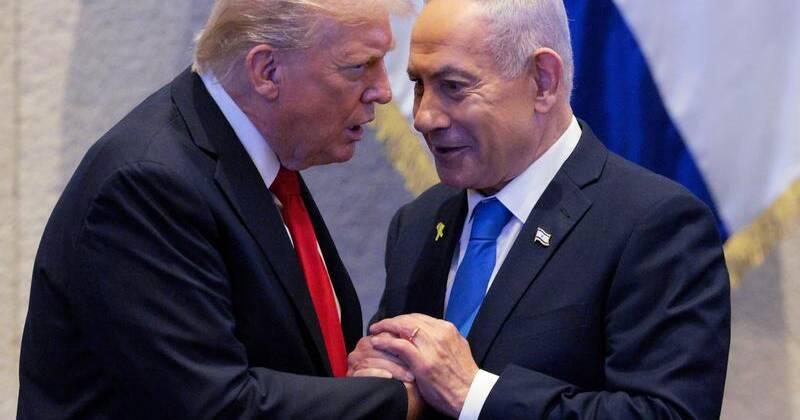
On Nov. 12, former U.S. President Donald Trump sent an unprecedented personal letter to Israeli President Isaac Herzog urging a full pardon for Prime Minister Benjamin Netanyahu.
“President Donald Trump has written to Israel’s President Isaac Herzog asking him to pardon Prime Minister Benjamin Netanyahu, calling the corruption charges against him ‘political’ and ‘unjustified’ and praising Netanyahu as a ‘formidable and decisive War Time Prime Minister.’”
In the letter he called the long-running corruption prosecutions political and unjustified and praised Netanyahu as a 'formidable and decisive War Time Prime Minister.'

Herzog's office publicly released the letter, which followed Trump's earlier public calls — including a Knesset speech — to drop the legal cases, and Netanyahu publicly thanked Trump.
Multiple outlets report Trump framed the plea as necessary to let Netanyahu focus on diplomacy and regional security after a U.S.-brokered Gaza ceasefire.
Pardon procedures and reactions
Herzog's office acknowledged receipt but repeatedly told reporters that Israeli pardons must follow formal, legal procedures. A formal petition is normally required, the Justice Ministry review plays a central role, and in practice pardons are rare before conviction and typically involve an admission of guilt.
Legal experts and opposition figures warned a presidential pardon would face substantial legal hurdles and could undermine rule-of-law norms if used to shield a sitting prime minister. Several outlets described Herzog's response as courteous gratitude for support while reminding that the presidency's clemency power is bound by established rules.

Pardon plea amid Gaza crisis
The letter arrived roughly a month after a U.S.-brokered ceasefire in Gaza. Several outlets explicitly link Trump’s plea to that fragile truce and to the devastating toll of Israel’s military campaign in Gaza. West Asian and many other outlets report high Palestinian casualties and note that U.N. investigators or other bodies have used the term 'genocide' to describe Israel’s campaign.
“The article notes the wider context of the Gaza war — more than 69,000 Palestinian deaths (including at least 20,000 children) and UN investigators’ use of the term ‘genocide’.”
These sources place the pardon plea against a backdrop of accusations that Israel’s bombardment has killed tens of thousands of Palestinians, including many children. Major Western mainstream outlets also record the casualty figures but differ on language, with some avoiding the term 'genocide' in headlines while still quoting casualty counts and U.N. concerns.
Israeli reaction to pardon
Inside Israel the letter intensified an already polarized debate, with far-right figures and some ministers praising Trump's intervention. Opposition leaders, legal experts and critics warned that a pardon would damage democratic safeguards and reward corruption. Multiple reports note the 'Bibi-sitting' narrative about high-profile U.S. visits aimed at ensuring the ceasefire, and say some Israeli politicians view U.S. pressure as improper interference.
Many outlets record that Netanyahu has denied wrongdoing and branded the prosecutions a 'witch-hunt', with his supporters viewing the trials as political. Opponents counter that a pardon without admission of guilt would erode the rule of law and could be unlawful.

Clemency process and backlash
Legal analysts cited across the coverage say a presidential pardon is unlikely to be straightforward. Israel’s clemency process typically requires a formal petition, Justice Ministry recommendations, and, according to multiple sources, an admission of guilt or remorse in practice. That means an immediate, self-initiated pardon for a sitting prime minister who denies wrongdoing would be legally and politically fraught.
“Herzog’s pardon power is largely ceremonial and, under Israeli practice, typically requires an admission of guilt before a pardon is considered—pointed out by opposition leader Yair Lapid.”
Some commentators called Trump’s intervention 'unprecedented' and 'extremely problematic,' warning that bypassing normal processes could further polarise Israeli society and weaken judicial independence. In short, the letter amplified international pressure and domestic division, but the available reporting suggests significant procedural and political barriers to an immediate pardon.