South America17 October, 20254 min read
Trump Authorizes CIA to Carry Out Covert Lethal Operations to Overthrow Maduro in Venezuela
President Trump authorized the CIA to conduct covert lethal operations inside Venezuela. U.S. military conducted multiple strikes on suspected drug vessels near Venezuela, killing at least 27.

68 outlets told this the same way.
Outlets did split on Alexandre de Moraes Orders Eduardo Bolsonaro Arrest, Cancels Passport, Enforces Four-Year Sentence →
Trump's Venezuela Covert Operations
Former US President Donald Trump confirmed he authorized CIA covert operations in Venezuela. Several outlets reported the missions as potentially lethal and explicitly aimed at removing President Nicolás Maduro. West Asian and Western alternative sources characterize the move as an overt regime-change effort.
“U.S. President Donald Trump confirmed authorizing the CIA to conduct covert operations in Venezuela aimed at removing President Nicolás Maduro.”
Al Jazeera reports Trump authorized CIA operations aimed at removing President Nicolás Maduro. The World Socialist Web Site asserts he approved lethal covert operations aimed at overthrowing Maduro. By contrast, some local US outlets emphasize Trump’s stated rationale—drug trafficking and alleged prisoner releases.
These outlets note he declined to specify whether Maduro himself was a target. Radio stations 101.3 KFDI and KTNN say Trump cited fears of Venezuelan prisoners and mentally ill people entering the U.S. They also note he declined to answer when asked if the authorization included targeting Maduro.
China Daily adds that Trump provided no evidence for accusations about migrants and smuggling. It also says the plans could include potentially lethal missions alongside a $50 million bounty on Maduro.
U.S. Military Strikes on Drug Boats
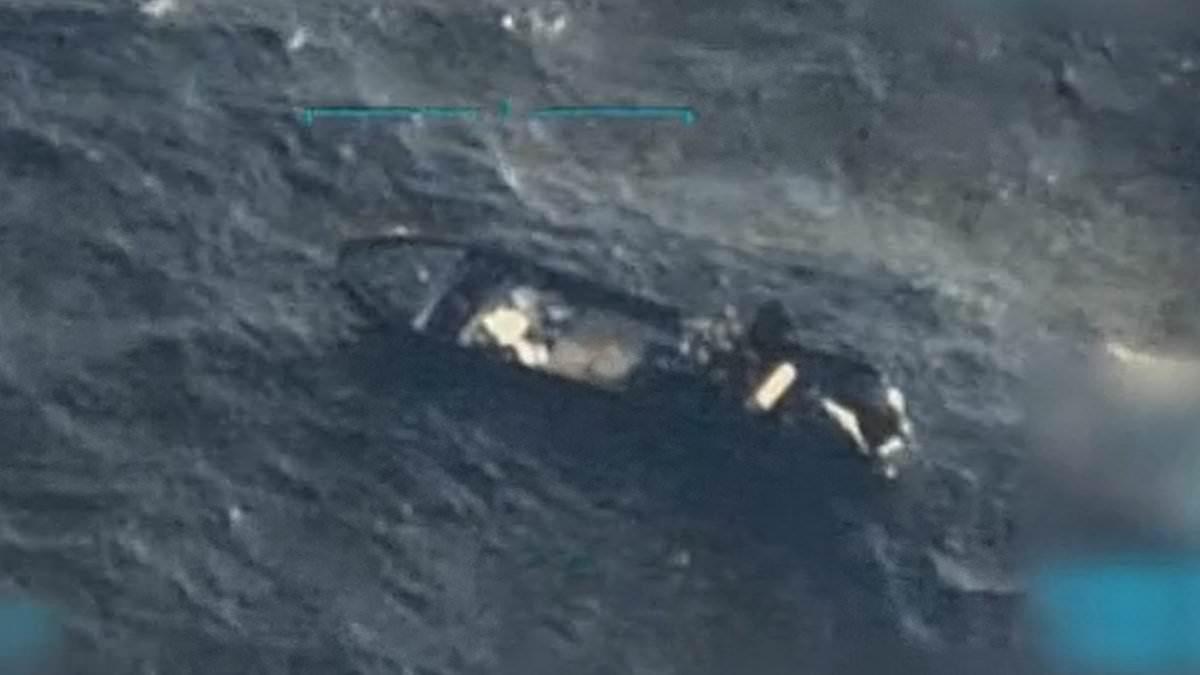
Parallel to the CIA authorization, the U.S. military has carried out a string of lethal strikes on suspected drug boats near Venezuela. There have been reports of at least six attacks since early September. The most recent incident is the first known to have survivors captured.
PBS reports that this latest strike produced survivors while putting the death toll at at least 28. Sky News and the Australian Broadcasting Corporation both say at least 27 people have been killed in earlier strikes. They note that the October 17 attack was the first with survivors.

ABC News describes the use of lethal force against drug boats as unprecedented, saying at least six strikes have occurred. ABC News also states that no evidence has been presented regarding the targets’ alleged drug cargo.
The National Desk adds that the administration has declared a non-international armed conflict against cartels. This declaration treats suspects as unlawful combatants.
International Reactions to US Strikes
Venezuela has condemned the strikes and the CIA authorization as illegal aggression and appealed to the United Nations.
“Venezuela has formally requested the UN Security Council to declare recent U.S. strikes... illegal... [and]... accused U.S. forces of killing 27 civilians in attacks on vessels in international waters.”
Neighboring countries raised concerns about civilian casualties resulting from the strikes.
Tehran Times reports that Caracas asked the UN Security Council to condemn U.S. lethal covert operations and alleged 27 civilian deaths at sea.
Newsweek states that Venezuela accused the U.S. of illegal attacks killing over two dozen people, including Colombians and Trinidad and Tobago nationals.
The U.S. denies these claims, asserting that the operations are part of its counternarcotics mission.
CBC reports that families in Trinidad and Tobago believe their relatives were among the dead and that survivors are being held aboard a U.S. Navy ship, raising legal questions.
European tabloid TAG24 highlights sharp criticism, with some experts calling the strikes acts of murder.
The coverage also documents regional reactions, including Trinidad and Tobago investigating the incident and Colombia’s president urging a UN probe.
U.S. Legal Debate on Cartel Conflict
A fierce legal and policy debate has erupted over the U.S. framing of a 'war' on cartels to justify lethal force and covert operations tied to Venezuela. War on the Rocks argues that labeling drug enforcement as war and invoking war powers is inappropriate because groups like Tren de Aragua do not meet armed‑conflict thresholds, warning of dangerous precedents. The Irish News reports the administration is using post‑9/11 authorities to declare an 'armed conflict' against cartels, enabling capture, detention, and lethal force, but legal experts warn this may violate international law.
The Week (India) notes reports of a classified legal opinion authorizing strikes against a secret list of traffickers and highlights disputes over civilian victims and the term 'assassinations.' ABC News underscores the unprecedented nature of using lethal military force against drug boats, noting the lack of presented evidence across multiple strikes.

U.S. Military Leadership Changes
Amid the escalation, turmoil within U.S. regional command has sharpened scrutiny. NBC News reports SOUTHCOM commander Admiral Alvin Holsey will retire on December 12, less than a year after taking the role. The Globe and Mail notes he will resign earlier than planned and that counter-narcotics leadership has shifted from SOUTHCOM to a II Marine Expeditionary Force task force in North Carolina.
“Admiral Alvin Holsey... announced his retirement effective December 12, less than a year after assuming the role.”
Newsmax also highlights the leadership transfer and Holsey’s early resignation amid congressional concern. Daily Mail similarly describes the 'unexpected' move to put II MEF in charge. Other outlets, such as Insider Paper, call Holsey’s departure a resignation coinciding with CIA covert operations and lethal strikes, reflecting differing portrayals of the shake-up’s significance and timing.