
USA · 20 May, 2026 · 3 min read
Trump-Backed Ed Gallrein Defeats Rep. Thomas Massie in Kentucky Primary
Trump-backed Ed Gallrein defeated incumbent Rep. Thomas Massie in Kentucky primary. The race was among the most expensive primaries, fueled by pro-Israel lobbying and Trump.
What drove pro-Israel group involvement in the primary.
8 of 10 outlets skipped it: defense Secretary Pete Hegseth campaigned for Gallrein..
10outlets compared
Same story, two versions
tap a side to read it in full
Responsible Statecraft
“Pro-Israel Americans are proud to back candidates who support”Read the original ↗
Frames spending as retaliation versus standard advocacy for an alliance.
Massie ousted in Kentucky
Republican Rep. Thomas Massie lost his Tuesday primary in Kentucky’s 4th congressional district to Trump-backed challenger Ed Gallrein, with Gallrein winning with around 54.9 percent of the vote and Massie taking 45.1 percent of support from Republican voters in his district.
“Ed Gallrein, a former Navy SEAL and farmer, won the Kentucky race with around 54.9 percent of the vote.”
The race drew national attention because President Donald Trump deployed his political weight against Massie, endorsing and turning the local contest into a national confrontation.
Truthout said the primary was one of the most expensive in U.S. history, with around $33 million spent on political advertising between the two candidates and super PACs involved.
The Intercept framed the contest as both a win for Trump and a reaffirmation of the grip of the American Israel Public Affairs Committee in GOP politics, noting that AIPAC’s super political action committee and two other groups poured more than $15.8 million into the race either opposing Massie or supporting Gallrein.
The Intercept also reported that Massie had framed the race as “a referendum on whether Israel gets to buy seats in Congress,” while his opponents targeted him for his criticism of U.S. funding for Israel and the war on Iran.
Quotes, spending, and pressure
In the lead-up to the vote, Defense Secretary Pete Hegseth traveled to Kentucky the day before the vote to campaign personally for Gallrein, an unusual move for a sitting cabinet officer described in the Reuters-linked account.
The Intercept reported that AIPAC’s super PAC and other groups spent more than $15.8 million, while overall spending reached $32 million and the race topped the 2024 New York Democratic primary in which AIPAC’s super PAC aided Westchester County Executive George Latimer in ousting then-Rep. Jamaal Bowman.
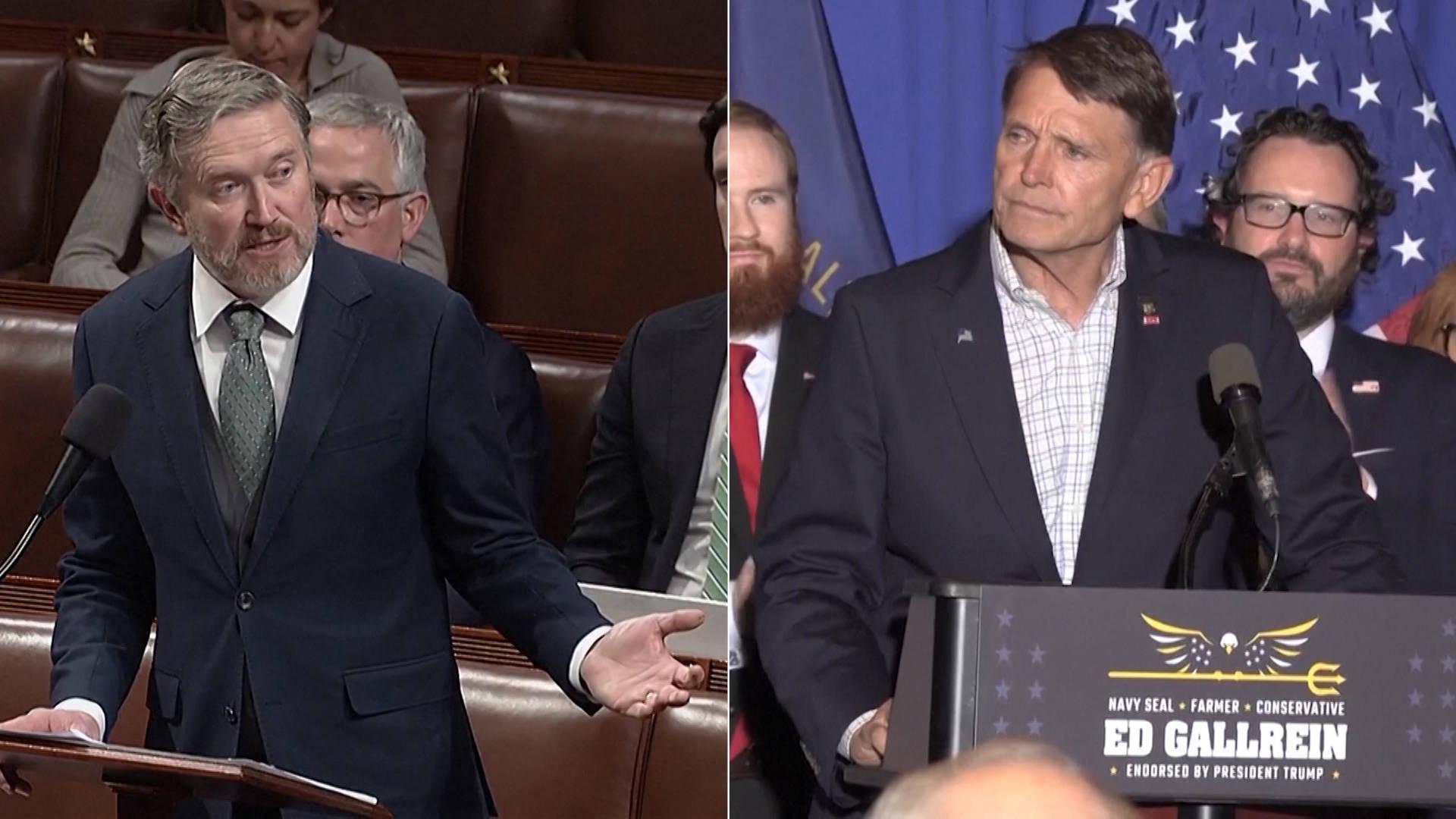
Massie, in his concession speech, said, “For 14 years, those S.O.B.s in Washington tried to buy my vote,” and added, “Why did the race get so expensive? Because they decided to buy the seat.”
AIPAC posted on X after the race was called, saying, “Pro-Israel Americans are proud to back candidates who support a strong [U.S.-Israel] alliance and help defeat those who work to undermine it.”
The Intercept also said AIPAC’s spokesperson for its super PAC, the United Democracy Project, described Massie as “the most anti-Israel Republican in the House,” while Massie told CBS News, “I have never voted for foreign aid to Egypt, to Syria, to Israel or to Ukraine,” and argued that “the ones in Israel, since they’re the biggest recipients of it, that makes them a little bit mad.”
What’s at stake next
After the primary, Gallrein advanced to the general election in Kentucky’s 4th District, where he will face Democratic primary winner Melissa Strange, as described by Truthout. Truthout said the district is considered a Republican stronghold by The Cook Political Report, while also noting that the primary’s focus included Massie’s votes on war powers related to Iran and his insistence on the full release of files relating to Jeffrey Epstein. The Intercept reported that AIPAC announced voters “support Democratic and Republican candidates who view a strong U.S.-Israel relationship as an American interest and reject those who focus on attacking that alliance and pro-Israel Americans,” tying the group’s political message directly to the outcome.
“Gallrein now advances to the general election, where he faces off against Democratic primary winner Melissa Strange.”
Responsible Statecraft said Trump called Massie “Worst Congressman in the History of our Country,” and also called him a “moron,” “bum,” “obstructionist,” and a “fool,” framing the defeat as part of Trump’s ability to dictate outcomes in intra-party races. RIn the same reporting, Responsible Statecraft quoted a question from Jack Hunter about whether “Kentuckians trust that Washington is working in their best interest,” and said the debate in Kentucky’s 4th District centered on “AIPACs role in U.S. elections” as the contest moved from primary politics toward the general election.R