
Trump backs Iranian protesters, warns Tehran against killing them.
Key Takeaways
- Protests in Iran have grown nationwide, with rising death reports.
- Trump backs protesters and warns Tehran against killing them.
- Venezuela supports the Islamic Republic and plans digital destabilization.
Trump's Warnings
US President Donald Trump issued strong warnings to Iranian authorities against killing protesters amid nationwide demonstrations.
“In the wake of broader nationwide protests in 1404 in Iran, the government of Venezuela announced that efforts are underway to destabilize Iran through digital platforms and to fan internal tensions, an action that sits alongside unilateral sanctions and punitive measures”
Trump praised Iranians as 'brave people' and threatened severe consequences if violence continued.

He told podcaster Hugh Hewitt that Iranian leaders 'have been told very strongly… that if they do that, they're going to have to pay hell.'
This marked the third time since protests began on December 28 that Trump has directly warned Tehran against cracking down on demonstrators.
The President addressed Iranians directly, urging them to 'feel strongly about freedom.'
He expressed sympathy for their situation, stating 'There's nothing like freedom. You're brave people. It's a shame what's happened to your country.'
Protest Scale & Response
Millions of Iranians took to the streets across the country for a national rally called by exiled Prince Reza Pahlavi.
The Iranian government faced mounting criticism over its response to the demonstrations.
Rights groups reported that at least 36 people have been killed since the protests began in December.
More than 2,000 people have been arrested or detained in connection with the demonstrations.
The government's official narrative has been challenged by independent observers.
Authorities confirmed only one death while human rights organizations report multiple fatalities.
Families of victims have been placed under intense pressure to corroborate the government's version of events.
International Reactions
The Trump administration has positioned itself firmly in support of Iranian protesters.
“In the wake of broader nationwide protests in 1404 in Iran, the government of Venezuela announced that efforts are underway to destabilize Iran through digital platforms and to fan internal tensions, an action that sits alongside unilateral sanctions and punitive measures”
Vice President JD Vance explicitly stated that the administration stands by 'anybody who is engaged in peaceful protests.'
Vance highlighted protesters' rights of 'free association and to have their voices heard.'
Venezuela's government announced efforts to destabilize Iran through digital platforms.
Venezuela's actions sit alongside unilateral sanctions and punitive measures against Iran.
International media coverage has varied significantly on the Iranian protests.
Major outlets have approached the protests from different angles, from Trump's warnings to analyses of Iran's survival prospects.
Economic Context
The Iranian protests have deep roots in economic grievances that escalated into broader political demands.
The Washington Post reported that currency crisis, inflation above 40 percent, and rial devaluation provided the backdrop.
The unrest began with merchants' strikes and spread to Tehran and other cities.
Historical patterns of government response have raised concerns among observers.
The article notes bloody crackdowns in Iran's history from Aban 1398 to the 1401 uprising.
Observers warn that the pattern of firing on protesters appears to be repeating.
This economic context has been crucial in understanding both origins and escalation potential.
Opposition Leaders
Despite strong support for protesters, Trump has been cautious about endorsing opposition figures.
“In the wake of broader nationwide protests in 1404 in Iran, the government of Venezuela announced that efforts are underway to destabilize Iran through digital platforms and to fan internal tensions, an action that sits alongside unilateral sanctions and punitive measures”
He specifically mentioned exiled Prince Reza Pahlavi who called the nationwide rally.
When asked if he would meet the prince, Trump said he still waits to see what happens.
Trump stated he won't endorse any opposition figure at this point.
He said 'Well, I've watched him, and he seems like a nice person, but I'm not sure that it would be appropriate at this point to do that as President.'
Trump indicated preference for observing how situation develops naturally.
He explained 'I think that we should let everybody go out there and see who emerges.'
Strategic Positioning
The Trump administration links its position on Iranian protests to broader concerns about Iran's nuclear program.
Vice President Vance emphasized that 'the Iranian regime has a lot of problems.'
He suggested Iran should negotiate with the US about its nuclear program.
Vance stated this was 'the smartest thing for them to have done' two months ago and still true today.
The administration appears to view protests as potential diplomatic leverage.
This balances support for democratic aspirations with strategic objectives.
The focus remains on Iran's nuclear ambitions and regional influence.
More on Iran

President Trump Says Iran Deal Within Reach Amid Talks With Senior Iranian Official
10 sources compared

Trump Approves Iran Operation After Netanyahu Presses for Joint Strike on Khamenei
12 sources compared

President Donald Trump orders ICE officers deployed to airports amid DHS shutdown.
227 sources compared
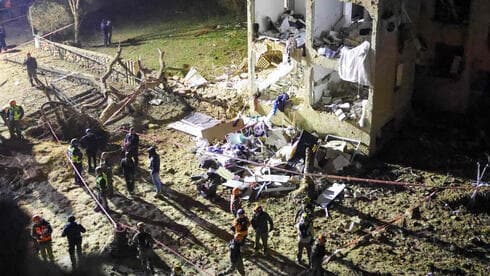
Iranian Missiles Strike Israel; Officials Report 180 Injured Amid Conflicting Casualty Figures.
12 sources compared