USA05 November, 20252 min read
Trump Backtracks, Offers Limited Federal Support to Socialist NYC Mayor Mamdani After Election Defeat
Zohran Mamdani won New York City mayoral election as a 34-year-old democratic socialist. Donald Trump initially threatened to cut federal funding to NYC after Mamdani's win.

11 outlets told this the same way.
Outlets did split on Trump Interrupted by Protesters at San Antonio Rally for Ken Paxton →
Zohran Mamdani's Historic Win
Zohran Mamdani’s victory reshaped New York City politics. The 34-year-old democratic socialist won the 2025 mayoral race with record turnout. He defeated Republican Curtis Sliwa and Independent Andrew Cuomo.
“Zohran Mamdani, a 34-year-old Democratic socialist, won the 2025 New York City mayoral election, making history as the city’s youngest mayor in over five decades and its first Muslim, Indian-origin, and South Asian mayor.”
Mamdani became the city’s youngest mayor in over five decades. He is also the first mayor of Muslim faith, Indian origin, and South Asian descent. Coverage noted the broader electoral setting, with voters weighing six ballot proposals on governance and housing the same day.

International reports mentioned the race alongside a warning about potential federal funding cuts tied to New York City. These reports hinted at national stakes and tensions around the election outcome.
Trump's Response to New Mayor
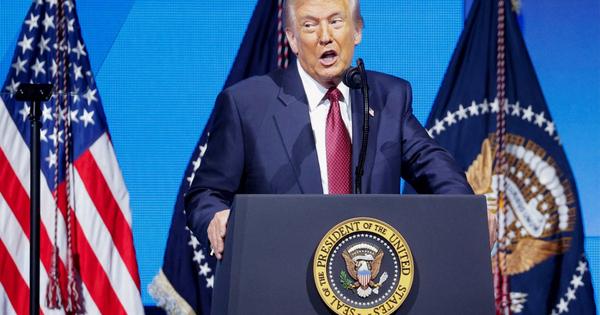
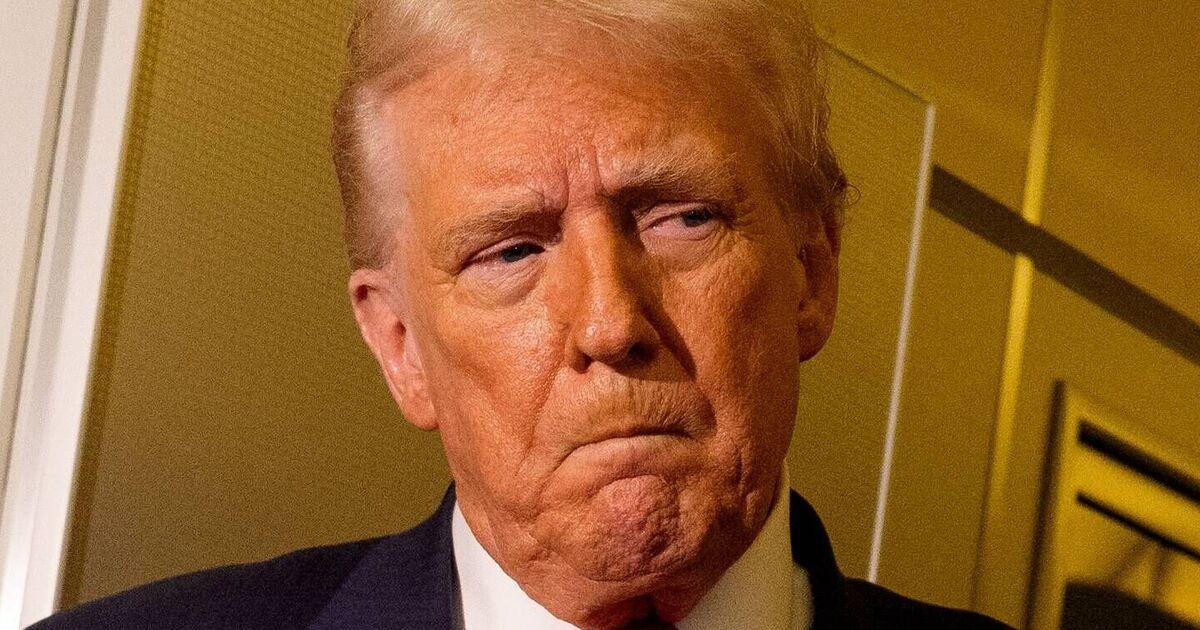
After this defeat for Republicans and Trump’s endorsed independent, Trump publicly backtracked from blanket opposition and offered limited federal cooperation to Mamdani—saying “we want New York to be successful.” He blasted the new mayor’s platform as “extreme,” “basically communistic,” and a bid to “turn New York into Venezuela.” He warned that federal aid could be cut if Mamdani pursued “radical experiments with taxpayer money.”
Other outlets highlighted that Trump did not directly engage Mamdani’s policies. Local reporting captured Mamdani dismissing Trump’s threats to deploy the National Guard as political intimidation, underscoring a tense yet possibly transactional federal–city dynamic.
Mamdani's Policy Proposals
Mamdani’s policy agenda is expansive and includes rent freezes for rent-stabilized units and accelerated affordable housing construction. He also proposes free and faster buses, free childcare, city-run grocery stores to reduce food costs, and higher taxes on the wealthy. Additionally, he suggests free city bus service and a new Department of Community Safety that emphasizes mental-health responses over police intervention.
“He promised policies including rent freezes for rent-stabilized units, affordable housing construction, free and faster bus services, free childcare, city-owned grocery stores to reduce food costs, and tax hikes on the wealthy.”
However, funding for these ideas is uncertain due to state-level opposition to tax increases. Supporters and some media outlets describe his program as necessary rather than radical. In contrast, Trump and aligned commentary portray it as extreme or communistic.
Early Governance and Political Response
Early governance signals point to both ideological commitment and pragmatic moves. Locally, Mamdani announced an all-women transition team of prominent public officials. He said he would ask the current police commissioner to stay and stressed a compassionate, capable City Hall.
He has not been contacted by the White House but is open to dialogue on affordability. He publicly dismissed Trump’s National Guard threats as intimidation.
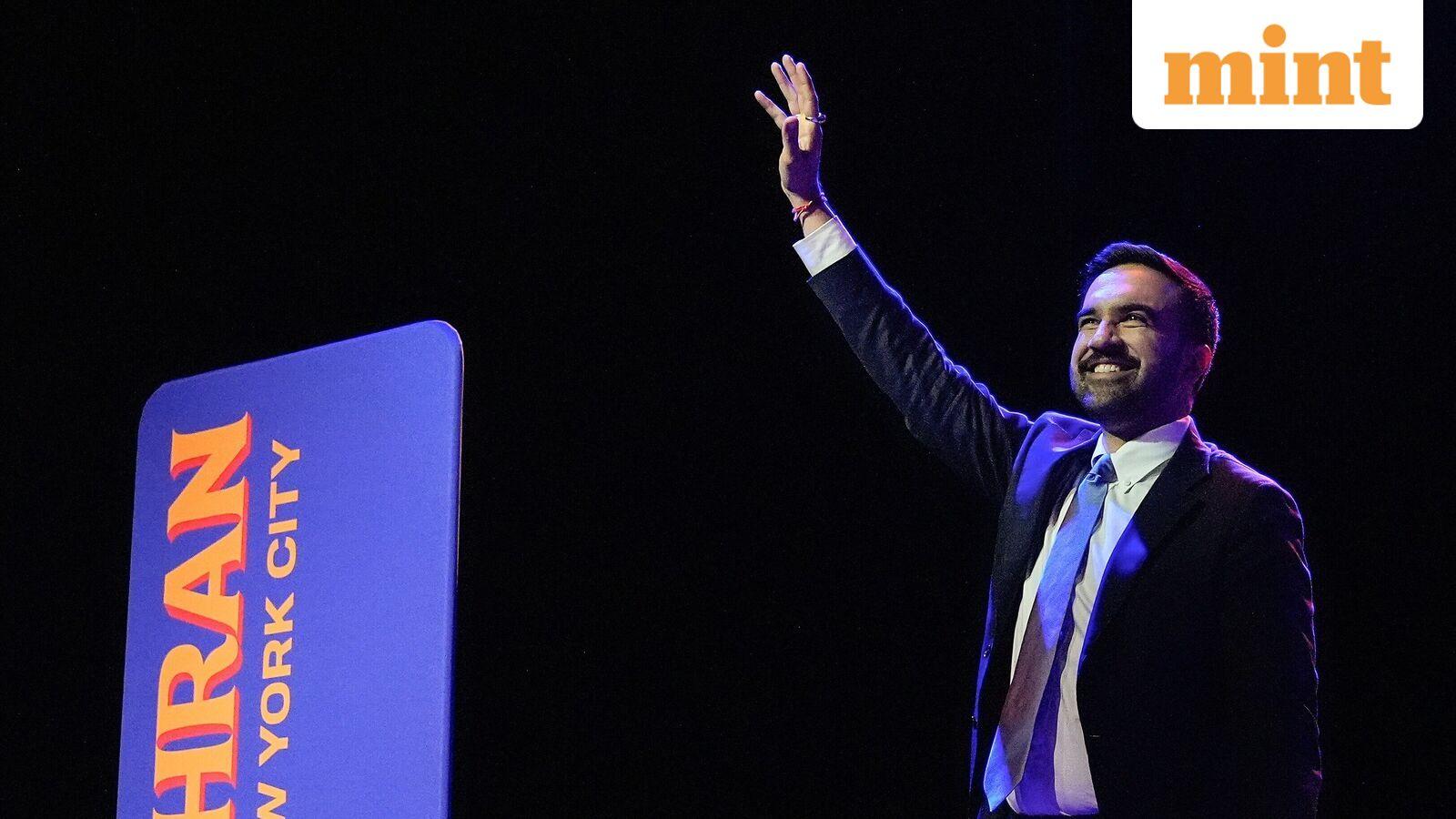
While one account initially noted he had not publicly responded, other reports captured his direct challenge to Trump in his victory speech and his responses to campaign attacks. These reports suggest evolving engagement across the campaign and transition timeline.
Media Coverage of Political Campaign
The campaign and media environment featured sharp claims and uneven coverage. One outlet chronicled attack ads and bigotry faced by Mamdani. Another highlighted a same-day, evidence-free allegation by Eric Trump about bomb threats aimed at suppressing GOP turnout in New Jersey.
“Mamdani condemned the racism and bigotry he faced during the campaign, including Islamophobic attack ads.”
A global roundup folded the New York race into a broader news mix. A tabloid platform offered only a consent notice, illustrating how some channels added little substantive reporting even as others documented racism, policy stakes, and procedural context.