Other08 November, 20252 min read
Trump Boycotts G20 Summit, Falsely Claims South Africa Commits White Genocide
US will boycott the 2025 G20 summit in South Africa, sending no officials. Trump falsely claims South Africa commits violence and land seizures against white Afrikaners.
63 outlets told this the same way.
Trump's G20 Boycott Announcement
Former President Donald Trump announced a full U.S. boycott of the G20 summit in South Africa. He called the choice of South Africa as host a “total disgrace” and repeated debunked claims of a “genocide” against white Afrikaners. Trump also stated that no American officials, including Vice President JD Vance, would attend the summit.
“Former President Donald Trump has announced that no U.S. officials will attend the upcoming G20 summit in South Africa... Trump called it a ‘total disgrace’ ... repeating debunked claims of a ‘genocide’ against Afrikaners.”
He promoted plans to host the 2026 G20 summit in Miami. Multiple news outlets reported on Trump’s accusations of killings and illegal land confiscations targeting Afrikaners. South African authorities and Afrikaner leaders quickly denied these claims.
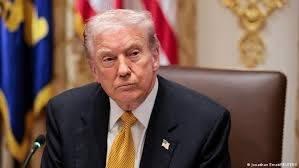
Coverage noted that Trump had initially considered sending Vance before deciding against it. South Africa’s summit theme focuses on “Solidarity, Equality, Sustainability.”
Response to False Genocide Claims
South African officials and multiple outlets rejected Trump’s assertions. They stressed there is no evidence of a racially targeted "white genocide." The foreign ministry and President Cyril Ramaphosa called the allegation "completely false."
They added that Afrikaners are not exclusively white and that crime statistics do not show whites as disproportionately targeted. Local and international reporting further frames Trump’s claims as baseless, ahistorical, or echoing disproven far‑right narratives.

U.S. Refugee Policy Controversy
A parallel flashpoint is U.S. refugee policy. Multiple reports say the administration lowered overall admissions to a record low and prioritized white South Africans, drawing criticism for racial bias. Several outlets specify a 7,500 cap and note early arrivals under the program.
“The U.S. has revised its immigration and refugee policies to lower overall refugee admissions and prioritize white South African refugees, a move criticized by advocacy groups for racial bias and undermining humanitarian objectives.”
South African officials rejected the premise that whites are persecuted or targeted. They argue white citizens remain comparatively advantaged since apartheid.
Geopolitical Impact of Boycott
Several sources connect the boycott to broader geopolitical friction. Reports link Trump’s stance to South Africa’s land reform debate and its genocide case against Israel at the International Court of Justice. They also note prior U.S. boycotts of G20 ministerials over agenda items like diversity and climate.
Analysts warn of disrupted cooperation on trade and climate as a result. Meanwhile, South Africa’s presidency highlights solidarity and its history of overcoming racial division.

Discrepancies in Johannesburg Summit Reports
The timeline and specifics of the Johannesburg summit vary across reports. Some sources date the summit to November 22–23, 2023, while others place it in November 22–23, 2025. Several reports note a reversal of JD Vance’s attendance at the event.
“Overall, the article covers political statements by Trump, significant election results in New York City, and a range of global and regional news items.”
Separate accounts claim the U.S. granted asylum to 59 white South Africans and even halted some aid to South Africa. These claims are absent in many other summaries.

A few pieces include unrelated political roundups. These discrepancies highlight both the fluidity of planning and the wide range of narratives connected to the boycott and the debunked 'white genocide' claim.