USA19 January, 20262 min read
Trump Brings Greenland Dispute to Davos, Forces NATO Allies to Respond
Trump posted screenshots of private texts from Emmanuel Macron and Mark Rutte about Greenland Trump threatened steep tariffs on European countries opposing U.S. Greenland plans
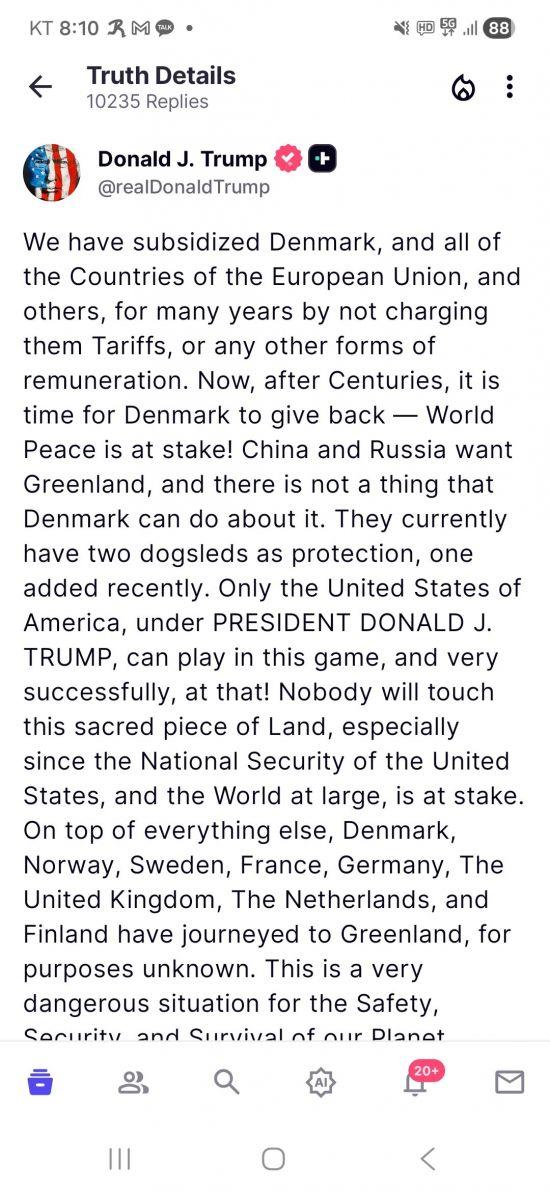
40 outlets told this the same way.
Outlets did split on Trump Interrupted by Protesters at San Antonio Rally for Ken Paxton →
Trump, Greenland and NATO tensions
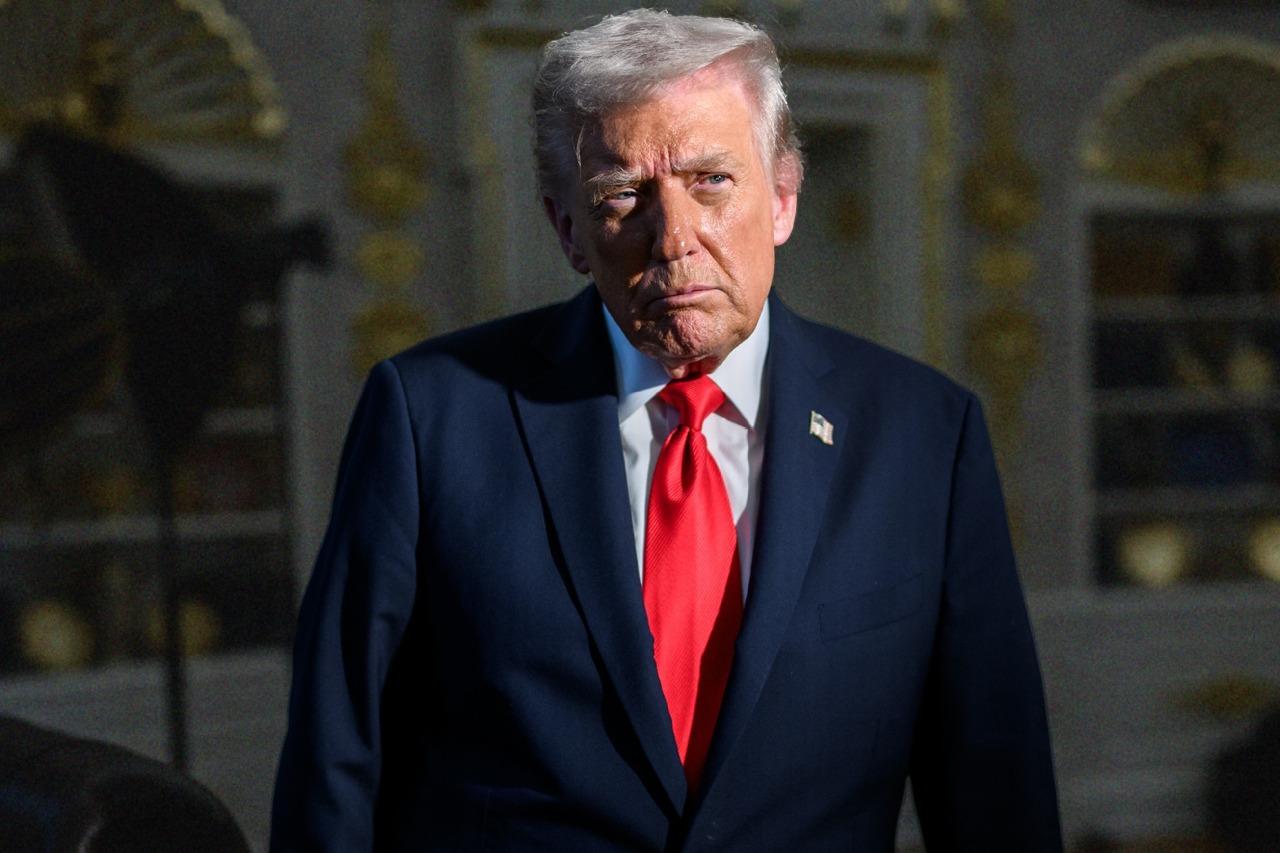
President Trump’s public push to reassert U.S. claims on Greenland and repeated threats of tariffs on European countries became a major diplomatic spectacle at Davos, forcing NATO allies and EU leaders to respond publicly and privately. CNN reported rising transatlantic tensions after President Trump’s push to acquire Greenland and his threats of tariffs on NATO allies.
“The article describes rising transatlantic tensions after President Trump’s public push to acquire Greenland and threats of tariffs on NATO allies.”
The Telegraph noted that Trump made escalating comments about acquiring Greenland, including threats of tariffs and an ambiguous 'you'll find out' remark about using force. PBS reported that Treasury Secretary Scott Bessent urged calm at Davos and said U.S.-Europe ties 'have never been closer,' even as Denmark warned that 'the worst may still be ahead.'

EU responses and reactions
European institutions and capitals signalled they would not be passive. Brussels publicly discussed invoking its 2023 "anti‑coercion" instrument and other trade responses as options. National leaders sought both diplomatic and military reassurance.
CNN explained that the EU is weighing a range of responses, from diplomatic pressure to economic measures, and highlighted the "anti‑coercion" tool. Euronews documented symbolic public backlash and Ursula von der Leyen's call to "de‑risk" supply chains. Evrim Ağacı reported markets dipped as investors worried and that the European Commission warned it "has tools at its disposal."

NATO and European defence debate
The spat has prompted renewed debate about NATO’s role and European strategic autonomy. Some sources report leaders pressing to shore up European defence and reduce U.S. dependence. SSBCrack News says comments by U.S. figures "have prompted European leaders to rethink defense plans and reduce reliance on U.S. military support."
“U.S. Defense Secretary Pete Hegseth’s remark in January that the U.S. has other priorities and Europe must ensure its own security — together with past comments from Donald Trump questioning NATO’s relevance — has prompted European leaders to rethink defense plans and reduce reliance on U.S. military support.”
CNN and PBS carry warnings from former NATO figures that a U.S. military move on Greenland could imperil the alliance and include calls from officials to manage the dispute. Others, including analysts quoted in WION, place the episode in a long history of U.S.–Europe ruptures but note cooperation has largely endured.
Trump communications strategy
Trump's communications strategy—leaking private messages, sharing AI-generated images and framing a new international reconstruction board—amplified the dispute and complicated diplomacy. Forbes reports he posted screenshots on Truth Social of alleged private texts, and The Economic Times says he used leaked messages and AI-generated images while declaring there would be 'no going back.'
The Telegraph describes his self-styled 'Board of Peace' and broad outreach to world leaders. CNN and other outlets noted these moves were part of a broader effort to press NATO allies and shape public opinion at Davos.
Diplomatic dispute fallout
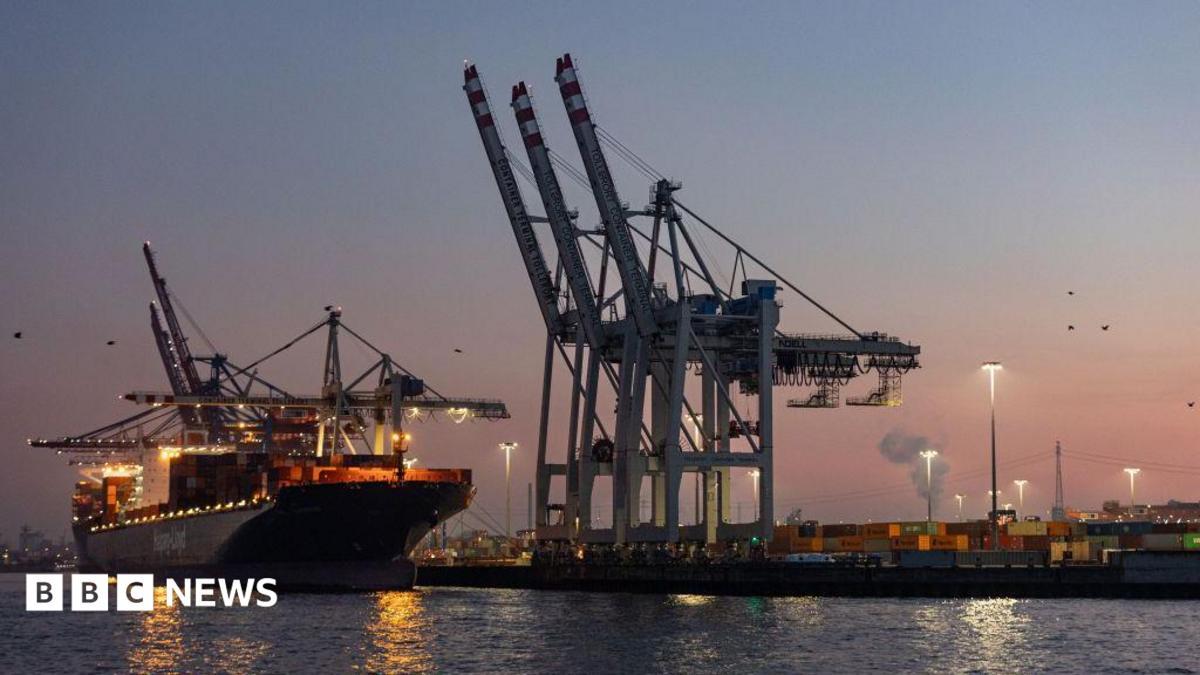
The diplomatic row produced economic and geopolitical ripples as markets dipped. Evrim Ağacı reported European markets fell and the Stoxx Europe 600 dropped 0.7%. CNN noted that China was using the spat at Davos to position itself as a stable trade partner.
“European markets fell and U.S. futures dipped as investors worried about economic fallout from a transatlantic trade and diplomatic row reportedly triggered by President Trump’s interest in buying Greenland. The Stoxx Europe 600 dropped 0.7%.”
Evrim Ağacı quoted Russia’s Sergey Lavrov saying the dispute revealed crisis trends that could threaten NATO unity. Euronews recorded public pushback that increased political pressure on Brussels and London to coordinate responses.