Iran-Israel15 January, 20262 min read
Trump Called Off U.S. Attack On Iran Hours After Tehran Closed Airspace
This article is an automated aggregation of coverage from news outlets. Our editorials offer in-depth analysis curated by the NewsCord team.
Tehran temporarily closed its airspace for several hours before reopening it U.S. moved an aircraft carrier strike group toward the Middle East

12 outlets told this the same way.
Outlets did split on U.S. Intercepts Iran Message Activating Sleeper Cells After U.S.-Israel Strike Kills Khamenei →
US–Iran de‑escalation
Iran briefly closed its airspace, according to flight tracking and official notices, issuing a NOTAM that disrupted international services before later reopening. At the same time, U.S. military preparations that had hinted at possible strikes were scaled back as Washington signalled a move toward de‑escalation. Some alerts and repositionings, including tanker movements and a brief alert for long‑range bombers, were later reported as suspended.
“Iran temporarily closed its airspace Wednesday by NOTAM, a move seen as a warning; flights resumed Thursday morning, Iran’s civil aviation authority said.”
U.S. officials continued to discuss military options while steps taken on the ground suggested a reduction in immediate operational activity. President Trump publicly said he had been told the killing of protesters had stopped and hinted he would "watch and see" before authorizing action, language widely read as a pause in immediate military plans.
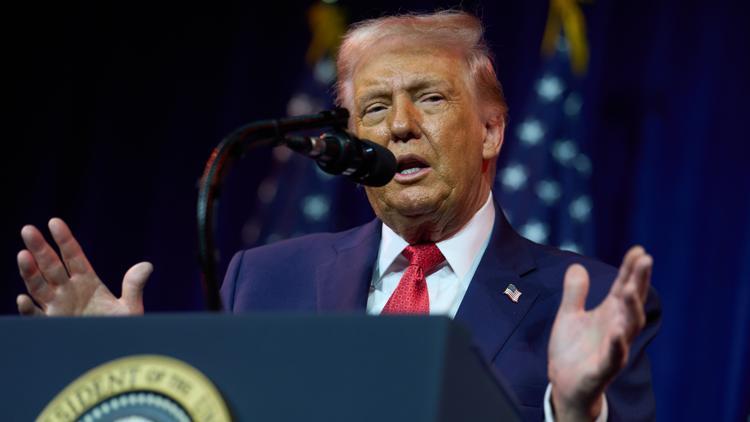
U.S. military repositioning
Concrete military moves accompanied the heightened rhetoric. The U.S. ordered the carrier group led by USS Abraham Lincoln to redeploy toward the Middle East. Several destroyers were moved and hundreds of personnel were pulled back from Al Udeid air base in Qatar.
Analysts noted these naval and base adjustments can both signal intent and serve as precautionary measures. Some officials warned the military options presented to the president were tailored to be limited and fast to avoid a protracted war.
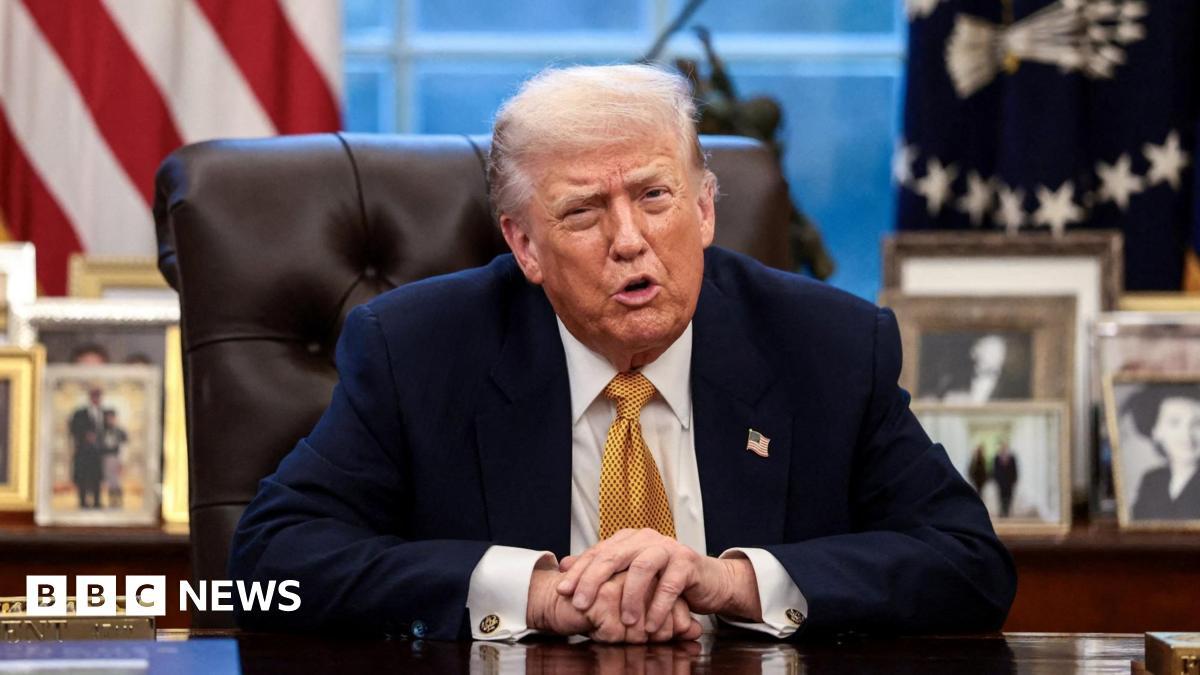
Trump on Iran developments
President Trump's public remarks presented the shift as based on new information, saying he was told 'the killing in Iran has stopped' and that planned executions were called off based on assurances from 'very important sources on the other side.'
“President Donald Trump said Iran had stopped killing demonstrators and that there were ‘no plans for executions,’ citing ‘very important sources on the other side,’ but he acknowledged uncertainty and left open the possibility of military action.”
He nevertheless left options open, saying he would monitor developments and that 'all options remain on the table,' language other officials echoed as they continued to prepare responses.
Disputed casualty reports and response
Reporting diverged sharply on the human cost and Iran’s domestic posture. Western mainstream outlets cited human rights tallies in the low thousands and highlighted cases such as Erfan Soltani, whose family and state media gave competing accounts about a death sentence. The Times of India and Iran-based trackers offered higher figures, with one Norway-based group cited as reporting over 3,400 dead.
Tehran’s officials alternately threatened regional retaliation and publicly denied imminent hangings. Analysts warned that rising casualty counts and internet shutdowns were shrinking the window for outside influence.

Escalation and international responses
Analysts and regional reporting highlighted narrowing options for outside actors and Tehran's escalatory rhetoric. Iran International and other analysts outlined a menu of U.S. responses short of full-scale war, ranging from cyber operations and covert action to seizing oil tankers tied to Iran's exports. Iranian parliamentarians publicly named U.S. bases as potential targets.
“U.S. options short of full-scale war reportedly include seizing oil tankers tied to Iran’s shadow fleet (exporting over two million barrels a day), CIA covert actions, cyberattacks, limited kinetic strikes on the IRGC and Basij, and restoring internet access via satellite systems such as Starlink — Trump said he would talk to Elon Musk about that.”
Western governments and embassies took precautionary measures, including embassy closures and travel warnings. Markets briefly reacted to the heightened tension but calmed as Trump's statements circulated.
&w=1920&q=75)