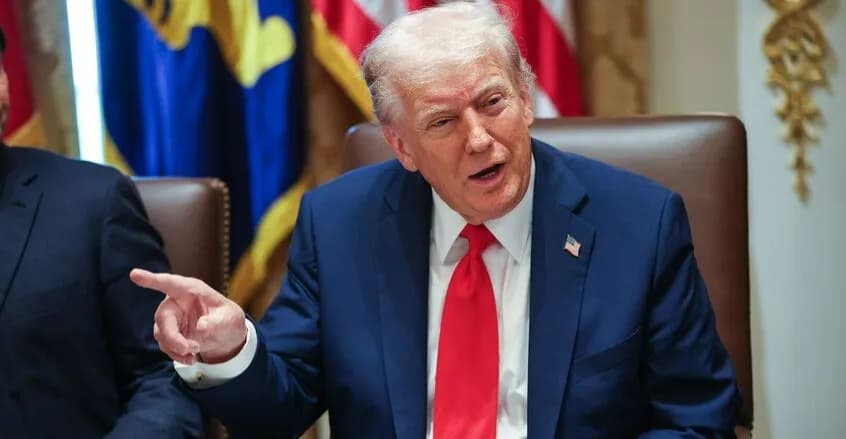
Trump Calls NATO Cowards as U.S. Sends More Marines Toward the Middle East
Key Takeaways
- Trump labels NATO allies 'cowards' and 'paper tiger' for not backing Hormuz plan.
- U.S. sends additional Marines and three warships toward the Middle East to reopen Hormuz.
- Oil prices rise amid Hormuz disruption and NATO hesitation.
Trump's NATO Attacks
US President Donald Trump escalated his attacks on NATO allies on Friday, March 20, 2026, labeling them 'cowards' and warning the alliance faces a 'very bad future' if they continue refusing to help secure the Strait of Hormuz.
“20 Minutes with AFP Published March 20, 2026 at 5:55 PM • Updated March 20, 2026 at 5:55 PM Donald Trump is not happy at all, and he makes that known”
In a series of Truth Social posts, Trump described NATO as 'a paper tiger' without American backing, claiming the alliance members 'didn't want to join the fight to stop a nuclear-powered Iran' despite the conflict being 'militarily won' with 'very little danger for them.'
The president's inflammatory rhetoric came amid growing tensions with European allies who have balked at direct military involvement in the Middle East conflict that began on February 28 when the US and Israel launched strikes on Iran.
Trump's comments reflected his long-standing skepticism of the Western military alliance and his frustration over what he perceives as insufficient support from traditional allies.
Hormuz Crisis Context
The Strait of Hormuz crisis has emerged as a critical flashpoint in the ongoing US-Israel-Iran conflict, with the strategic waterway remaining effectively closed amid Iran's continued attacks on commercial vessels.
The strait, which typically handles 20% of the world's crude oil and liquefied natural gas, has been paralyzed since Iran began targeting vessels linked to the United States and Israel following the February 28 offensive that killed more than 1,300 people including former Iranian Supreme Leader Ali Khamenei.

Trump has repeatedly claimed that NATO allies are profiting from the resulting high oil prices—Brent crude has risen above $100 per barrel for the first time since 2022—while refusing to participate in what he describes as a 'simple military maneuver' to reopen the passage.
The economic impact has been significant, with Japanese Prime Minister Sanae Takaichi warning Trump that 'the global economy is now about to experience a huge hit because of these developments.'
NATO Allies' Response
NATO allies have responded to Trump's pressure with a measured but firm position, emphasizing de-escalation and international legal considerations over direct military intervention.
““Gulf states clearly need support”
In a joint statement issued Thursday, Germany, Britain, France, Italy, the Netherlands, Japan, and Canada pledged to support 'appropriate efforts' to ensure safe passage through the strait but stopped short of committing to military deployment.
French President Emmanuel Macron explicitly stated that 'de-escalation and international law remain top concerns' and clarified that 'Paris is not a party to the conflict and would refrain from taking aggressive action in the area.'
German Chancellor Friedrich Merz emphasized that any intervention would require 'an end to active conflict,' while Italian Prime Minister Giorgia Meloni ruled out direct involvement, stating 'It would be entering the war.'
The European Union's High Representative for Foreign Affairs and Security Policy, Kaja Kallas, reinforced this position, declaring that 'Europe has no interest in an endless war' and highlighting the economic costs of prolonged conflict.
US Military Escalation
Amid diplomatic tensions, the United States has significantly escalated its military presence in the Middle East, deploying additional forces to counter Iranian threats and potentially prepare for further operations.
The Pentagon has ordered three more warships and approximately 2,500 Marines to the region, with the USS Boxer reportedly setting off ahead of schedule according to military officials.

General Dan Caine, chairman of the Joint Chiefs of Staff, revealed that low-flying A-10 Thunderbolt II jets are 'hunting and killing fast-attack watercraft in the Straits of Hormuz,' while AH-64 Apaches have joined operations on the southern flank.
The military buildup comes as the Pentagon requests an additional $200 billion from Congress to sustain the war effort, with officials admitting that the first week alone saw as many Tomahawk missiles fired as were purchased in the previous five years.
Media reports suggest Trump is considering 'occupying or blockading' Kharg Island, a strategic Iranian oil processing facility where 90% of the country's crude exports are handled, though such an operation would place American troops at significant risk.
European Concerns
European leaders have expressed growing concern about the trajectory of the conflict and Trump's confrontational approach to NATO, with British Prime Minister Keir Starmer notably defending the alliance's position.
“Subsequently, Starmer explained that Washington sought permission to use British military bases "for defensive purposes," and London agreed to that in order to protect Britons and defend the allies”
Starmer emphasized that 'we are working with all our allies, including our European partners, to develop a viable collective plan that can restore freedom of navigation in the region,' while insisting on the need for rapid de-escalation because 'the longer the war lasts, the more dangerous the situation becomes and the worse the cost of living.'

The British leader's response came after Trump had previously insulted NATO's performance in Afghanistan, claiming allies 'stayed a little back, a little off the front lines' during the decade-long conflict.
Trump's broader criticism of NATO extends beyond the current crisis, reflecting his long-held belief that European allies are not contributing their fair share to collective defense.
The rift has been exacerbated by the fact that many of the allies Trump has pressured were not consulted before the US-Israeli attack on Iran began on February 28, creating additional resentment over being dragged into a conflict they had no role in initiating.
Alliance Future at Risk
The escalating confrontation between Trump and NATO allies over the Strait of Hormuz crisis threatens to fundamentally reshape transatlantic relations and the future of the Western military alliance.
Trump's rhetoric has grown increasingly confrontational, describing NATO as fundamentally dependent on American power and threatening to 'remember' allies who fail to support US military objectives.
The president has alternated between claiming that 'we do not need the help of anyone' while simultaneously lashing out at allies for their lack of cooperation, creating inconsistent messaging that has confused international partners.
The crisis has exposed deep divisions within the alliance over the US approach to Iran and the Middle East, with European allies prioritizing de-escalation and international law over Trump's demand for immediate military action.
Military experts warn that the situation could deteriorate further, with Trump reportedly considering more aggressive options like occupying Iranian territory, which would dramatically escalate the conflict and potentially draw more nations into the growing regional war.
More on Iran

Iran Attacks Kuwaiti Oil Refinery as Tehran Steps Up Gulf Attacks
21 sources compared

Police Scotland Arrest Iranian Man and Woman After Breach Attempt at Faslane Nuclear Submarine Base
14 sources compared

Israel strikes South Pars gas field; Iran attacked Gulf energy sites
38 sources compared
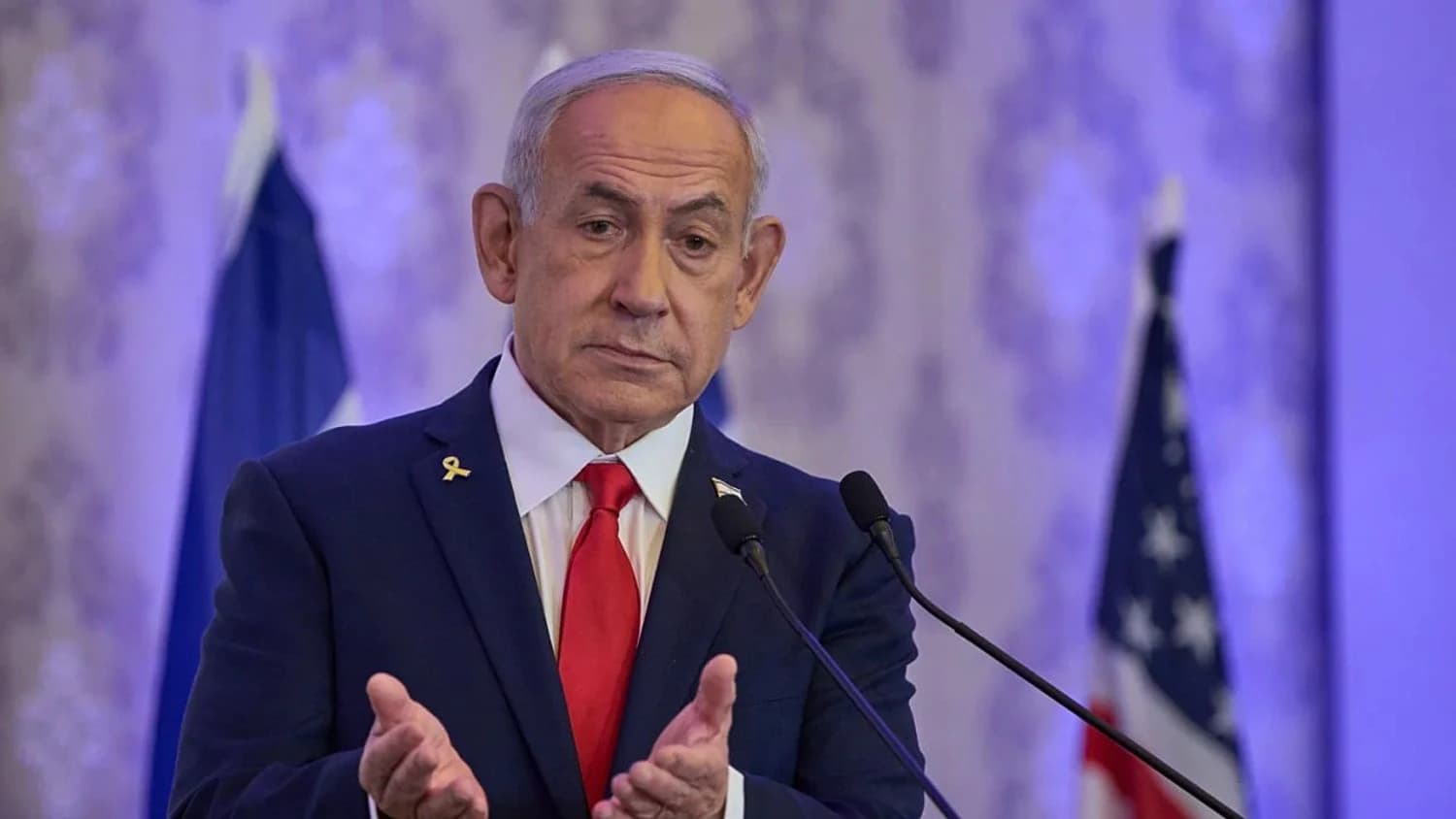
Iran Targets Gulf Oil and Gas Facilities
74 sources compared