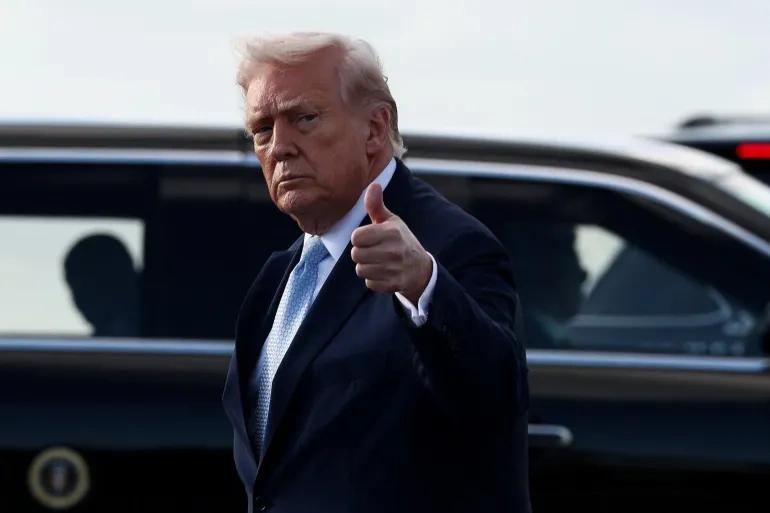
Trump Calls Off New Military Strikes on Iran After Threatening to Seize Oil Industries
Key Takeaways
- Trump called off new strikes on Iran hours after threatening escalation.
- Trump had threatened to seize Kharg Island and Iran's oil infrastructure.
- Officials discussed a 'great settlement' and memorandum of understanding to end the war.
Strikes called off
President Donald Trump said Thursday that he called off new military strikes on Iran, hours after threatening to hit Iran “VERY HARD TONIGHT” and assume total control of the Islamic Republic’s oil and gas industries.
Trump said the U.S. is close to signing “a great settlement” with Iran to wind down the war, with a memorandum of understanding to be signed “over the next few days,” likely in Europe.

The AP said the U.S. and Iran traded strikes earlier Thursday, pushing the Middle East closer to the resumption of a full-scale war.
The BBC reported that Trump said a “great settlement” had been reached and that a signing could take place as soon as this weekend, likely in Europe, while Iran had not confirmed any such agreement.
Iran’s foreign ministry spokesperson Esmaeil Baghaei told Iran’s state-run news agency IRNA that “So far, Iran has not reached a final decision on any deal,” as the U.S. investigating reports it may have struck an Iranian water facility in southern Iran.
Dispute over deal
While Trump told reporters he was canceling strikes because “final points and concepts of a potential deal had been approved by "all parties involved,"” Iran’s foreign ministry spokesperson said the agreement was not finalized.
CNN said Baghaei told Iran’s state-run news agency IRNA that reports of a finalized agreement were “merely speculation” and that Tehran had not yet made a final decision on any deal.
CNN also reported that Baghaei said “a large portion of the text had already been finalized,” but that “the Americans kept changing their positions,” and that the Strait of Hormuz had become “less secure because of U.S. actions.”
The BBC added that Iran’s semi-official Fars News Agency, associated with the Islamic Revolutionary Guard Corps, quoted a “knowledgeable source close to the Iranian negotiating team” denying the president’s claim and stating that “no text of the initial memorandum of understanding with the United States has been approved.”
In parallel, the U.S. Central Command spokesperson Capt. Tim Hawkins told CBS News, “We’re aware of the reports and are looking into them,” referring to reports that U.S. strikes may have hit a water facility in southern Iran on Wednesday.
What’s at stake next
The Guardian said military strikes that damaged two water storage facilities in southern Iran may constitute a war crime, after reviewing media reports and visual evidence of a 10 June strike on Bemani, a small district about 2 miles from the strait of Hormuz.
The Guardian quoted Brian Finucane, a former state department lawyer, saying “It’s either a military objective or it’s a civilian object: attacking one is lawful, attacking the other is a war crime,” as it described uncertainty over whether the tanks were deliberately targeted or unintentionally destroyed.
The BBC reported that Trump said the Strait of Hormuz will reopen as soon as an agreement with Iran is signed, while CNN said Baghaei warned the situation in the Strait of Hormuz had become “less secure because of U.S. actions.”
The Guardian also said the destruction of Bemani’s water tanks occurred shortly after Centcom announced strikes on “Iranian air defense, ground control stations, and surveillance radar sites near the Strait of Hormuz,” and it described the attacks as compounding U.S. threats to capture Iranian infrastructure and take control of its oil industry.
In the U.S. political and legal backdrop, the AP said a rare lapse in a law that allows the United States to gather intelligence abroad appears likely after the House failed on Thursday to temporarily extend the program, in protest of Trump’s refusal to name a permanent head of the nation’s intelligence agencies.
More on USA
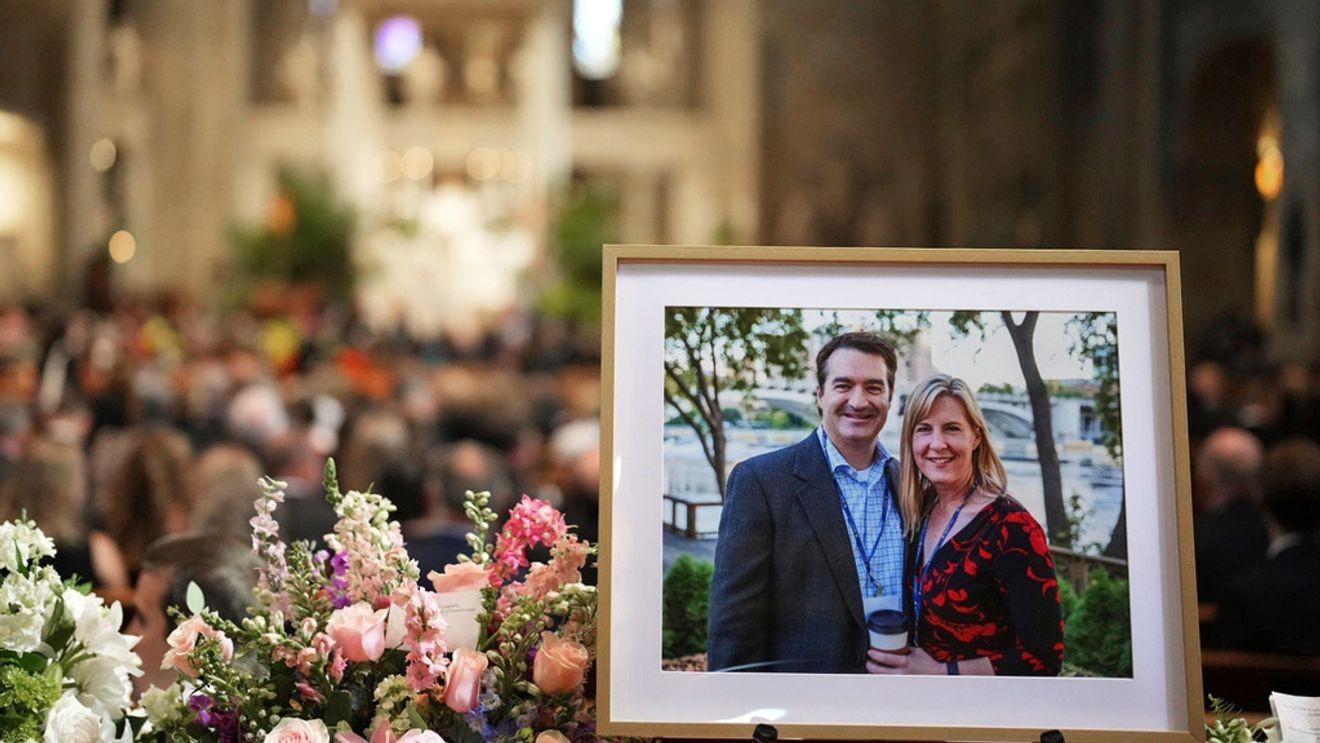
Vance Boelter Pleads Guilty to Murdering Melissa Hortman, Mark, and Attacking John Hoffman
22 sources compared

Pentagon Lifts Lockdown After Air Quality Issue Tests Find No Hazard
14 sources compared
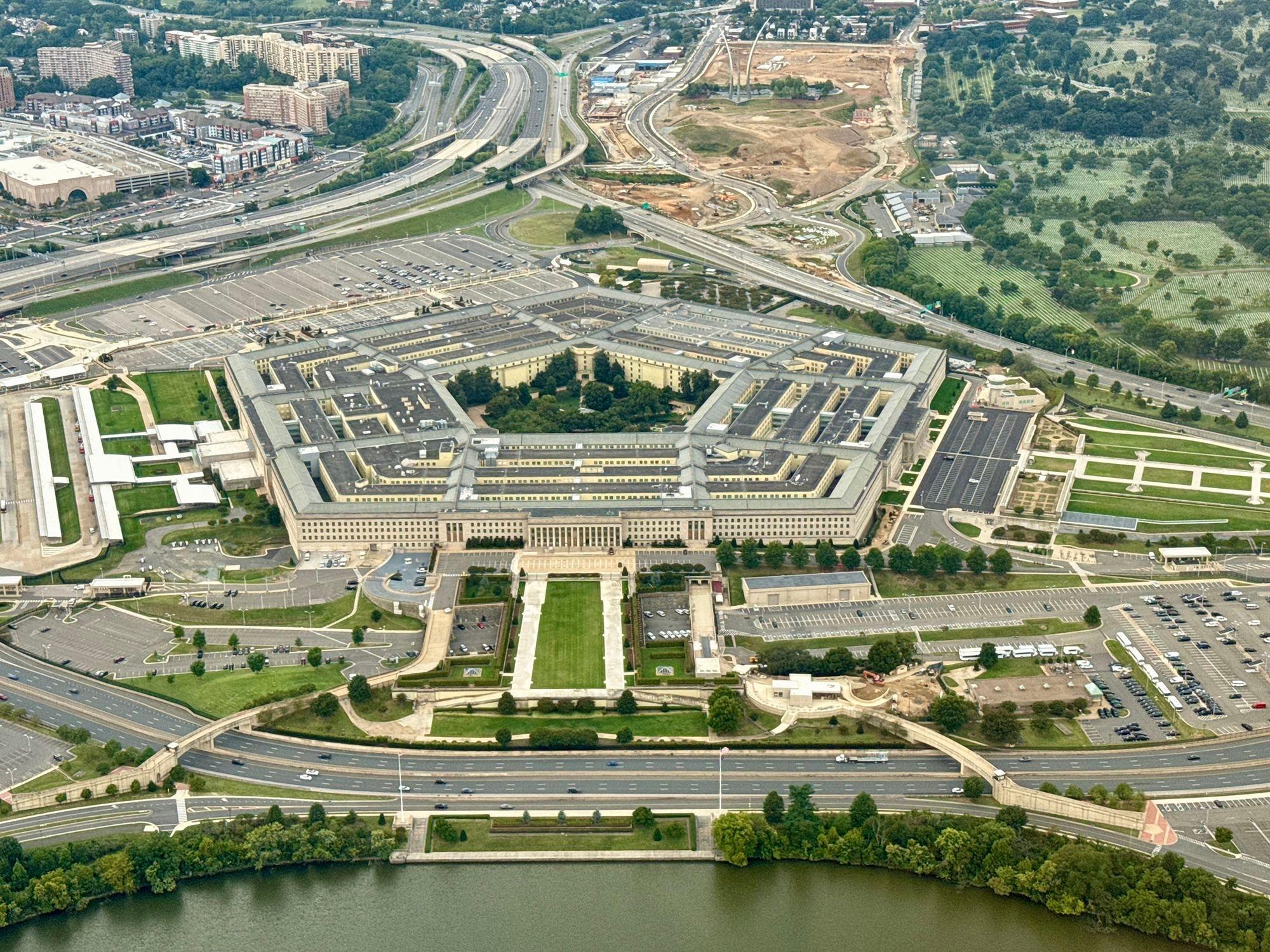
Pentagon Lockdown Ends After False Anthrax And Air-Quality Sensor Alarm In Arlington
13 sources compared

Trump says he will nominate Jay Clayton to top intelligence post amid uproar over prior, interim pick
16 sources compared