South America09 January, 20262 min read
Trump Cancels Planned Second Wave of Attacks on Venezuela After Caracas Releases Political Prisoners
This article is an automated aggregation of coverage from news outlets. Our editorials offer in-depth analysis curated by the NewsCord team.
Trump canceled a planned second wave of military attacks citing Venezuelan cooperation and prisoner releases U.S. special forces captured Venezuelan President Nicolás Maduro and his wife in a prior operation
50 outlets told this the same way.
Outlets did split on Alexandre de Moraes Orders Eduardo Bolsonaro Arrest, Cancels Passport, Enforces Four-Year Sentence →
Trump halts strikes on Venezuela
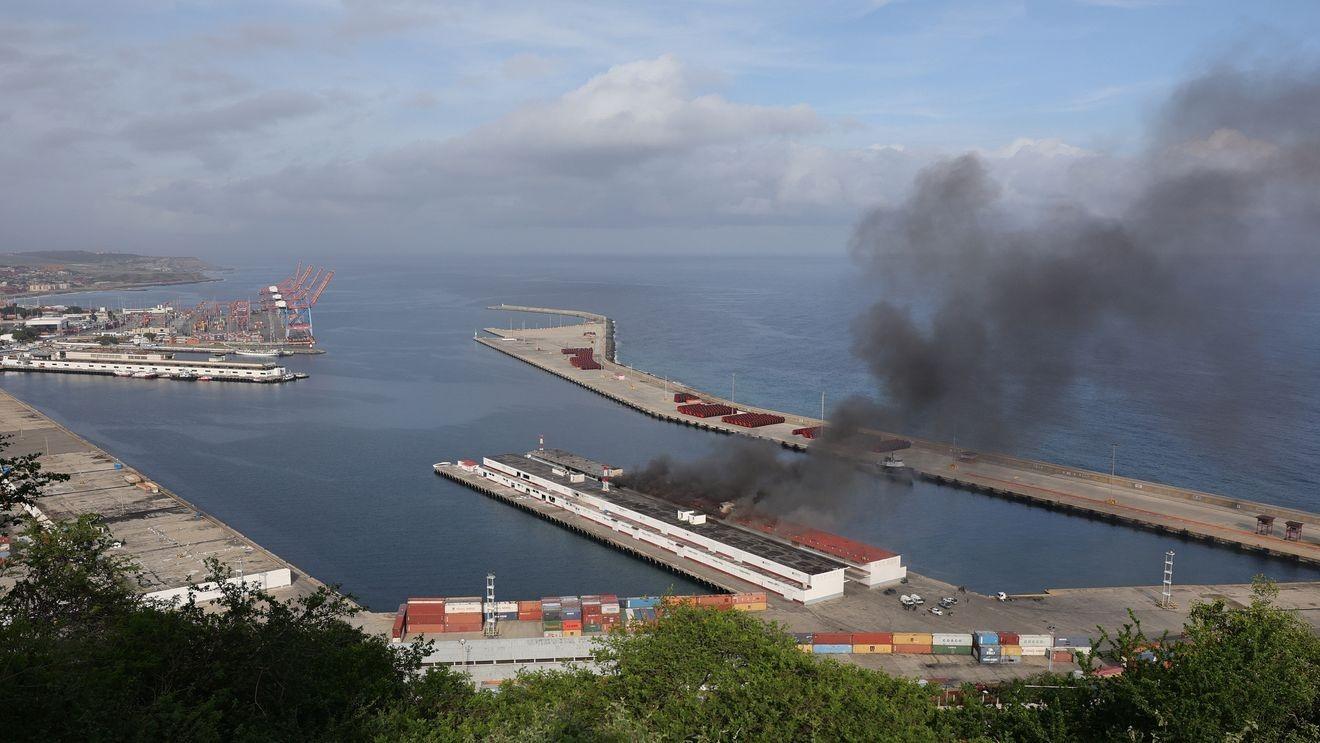
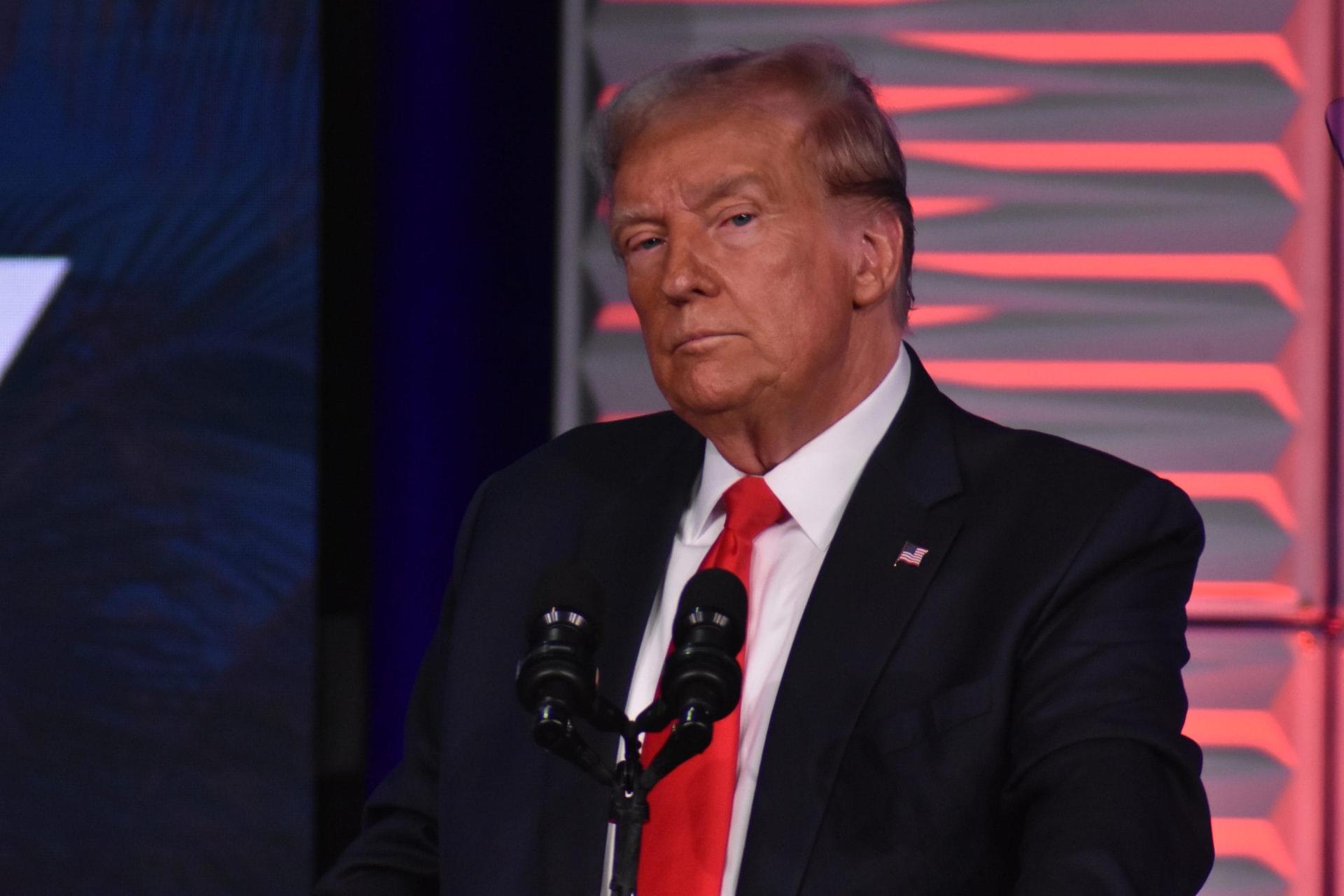
President Donald Trump announced on Truth Social that he has called off a previously expected "second wave" of attacks on Venezuela, saying Caracas had shown cooperation by releasing a number of political prisoners and was seeking peace. Multiple outlets report Trump framed the releases as a "very important and smart gesture" and credited them for prompting the decision to halt follow-on strikes, while saying U.S. ships and forces will remain positioned nearby for safety and security. The announcement followed a high-profile U.S. military operation earlier in the week that many outlets report led to the capture of President Nicolás Maduro and his wife, a claim presented variously as an administration assertion or as a reported event depending on the outlet.
“Former president Donald Trump said he called off a planned ‘second wave’ of attacks on Venezuela after receiving what he described as ‘cooperation’ from Caracas and after Venezuela began releasing a large number of political prisoners, which he called a ‘very important and smart gesture.’”
Conflicting media accounts
Reports and descriptions diverge sharply over the U.S. raid that preceded the announcement. Several outlets repeat that U.S. forces captured Maduro and his wife, with Tribune India and the New York Post describing a capture operation and some pro-Trump or alternative outlets presenting the abduction and transfer as factual. Other outlets, particularly international and mainstream organizations, frame the capture claim as an assertion by Trump or note it as contested, saying he 'claimed' or 'said' U.S. forces had taken Maduro rather than presenting it as an independently verified fact.
Trump Venezuela energy plan
Trump tied the halt in strikes to a plan to cooperate with Venezuela to rebuild its oil and gas infrastructure. He repeatedly predicted at least $100 billion in investment from major oil companies and announced meetings with energy executives at the White House. Outlets across types picked up the $100 billion claim and the planned executive meetings, while industry-aware or analytical outlets cautioned that rebuilding Venezuelan output would take years and require guarantees, raising questions about the feasibility of immediate big investment.
“He claimed 'BIG OIL' will invest at least $100 billion to restore Venezuelan energy production and is meeting with executives from Chevron, ExxonMobil and ConocoPhillips to encourage investment.”
Venezuelan prisoner release coverage
Media coverage diverges on the recent prisoner releases in Venezuela. Some outlets report that the Venezuelan leadership freed high-profile opposition figures and described the moves as a gesture 'to seek peace'. Rights organizations and human-rights-focused outlets warn that the numbers and scope remain unclear and that many detainees remain in custody.
Reports cite varied figures, ranging from named high-profile releases to rights groups estimating hundreds still detained. Caracas has been quoted denying that it holds political prisoners, underscoring conflicting narratives about the significance and scale of the releases.
Reactions and Security Posture
International reaction and the security posture remain mixed. The U.S. keeps naval and other forces in the region 'for safety and security purposes' even as it shelved immediate additional strikes. Caracas and some regional actors condemned the U.S. action as aggression and sought diplomatic responses.
“U.S. naval forces and other troops will remain in the region ‘for safety and security purposes,’ but a planned follow‑up wave of military attacks has been shelved, with forces and ships staying nearby.”
Domestically, the raid and follow-up policy drew political pushback in the U.S. The administration framed the moves as leverage to secure cooperation on prisoners and energy.

Mexico publicly rejected any suggestion of U.S. intervention on its soil. Some European and regional leaders were reported to be engaged in diplomacy.