USA18 November, 20252 min read
Trump Defends Mohammed bin Salman, Rejects U.S. Intelligence Finding That MBS Ordered Jamal Khashoggi's Murder
Trump defended Mohammed bin Salman, asserting the crown prince 'knew nothing' about Khashoggi's murder His remarks contradicted a 2021 U.S. intelligence assessment that MBS ordered Khashoggi's killing
63 outlets told this the same way.
Outlets did split on Trump Interrupted by Protesters at San Antonio Rally for Ken Paxton →
Trump defends Saudi crown prince
At a high-profile Oval Office meeting, former President Donald Trump publicly defended Saudi Crown Prince Mohammed bin Salman when reporters raised the 2018 murder of Washington Post columnist Jamal Khashoggi. Trump interrupted questioning, called the query an embarrassment, and labeled Khashoggi "extremely controversial".
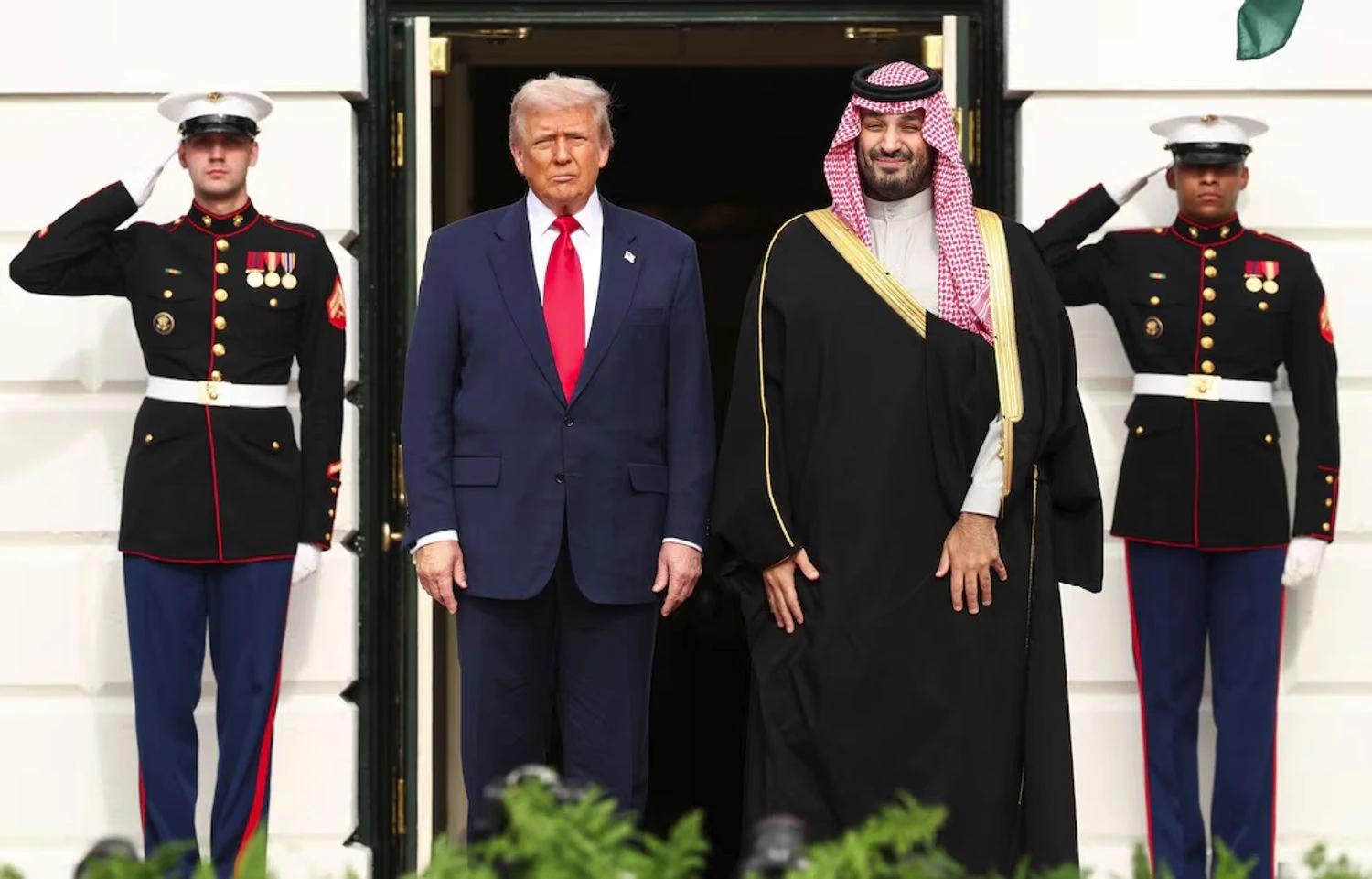
He insisted the crown prince "knew nothing about it" and used the phrase "things happen" to downplay the episode while rebuking a reporter as "fake news". The visit featured a lavish, state-style reception that signaled a political reset between Washington and Riyadh.

U.S.-Saudi state visit
The White House reception underscored the wider strategic and economic agenda behind the visit.
Trump and MBS touted large Saudi investment pledges and major defense cooperation, including signals that Riyadh would be permitted to buy U.S. F-35 fighter jets.

Coverage across outlets described ceremonies—cannon salutes, military band, South Lawn greeting and a fly-past—that framed the visit as a near-state occasion.
Reports linked the choreography to announcements about up to roughly $1 trillion in Saudi investment commitments and potential F-35 sales.
Khashoggi case dispute
U.S. intelligence in a declassified 2019/2021 assessment concluded that Mohammed bin Salman likely approved an operation in Istanbul to capture or kill Jamal Khashoggi, citing his control over the security apparatus and involvement of close advisers. Mohammed bin Salman denied ordering the killing, called the episode painful, and Saudi officials offered explanations about prosecutions and reforms, while President Trump and several media outlets relayed his denials in real time. Other outlets and the U.S. intelligence community reiterated the assessment that he approved the operation, creating a persistent split between the administration’s public defense and the intelligence finding that was highlighted repeatedly in reporting.
“CIA assessment that found Saudi agents in Istanbul acted on the crown prince's orders to kill and dismember Khashoggi.”
Reactions to prince's visit
Reactions were sharply divided. Khashoggi's widow, rights groups, and many news organizations criticized the prince's warm reception and Trump's dismissal of the intelligence, calling for accountability and compensation. The National Press Club and others rebuked Trump's comments as dangerous for press safety.
By contrast, some commentators and pro-government Saudi narratives echoed the prince's characterization of the death as a 'huge mistake' or 'painful' and framed the visit as essential to U.S.-Saudi strategic and economic ties. These diverging reactions shaped the post-visit coverage and political fallout domestically and internationally.


Media framing of Saudi visit
Coverage diverged in what outlets emphasized and omitted, with some stressing transactional elements like investment pledges, F-35 sales, and AI cooperation. Other outlets foregrounded legal and moral accountability for Khashoggi's killing and persistent human-rights concerns in Saudi Arabia. Western mainstream media tended to balance a ceremonial reset with intelligence contradictions.
“President Trump gave Saudi Crown Prince Mohammed bin Salman a high‑profile welcome in Washington, emphasizing close ties and business deals as MBS made his first visit to the U.S. capital since 2018.”
West Asian outlets frequently underscored local reactions and MBS's denials, while Western alternative outlets highlighted activist condemnation and potential conflicts of interest tied to Trump's business pursuits. Those editorial choices shaped readers' perceptions about whether the visit represented diplomacy, impunity, or a geopolitical reset. Examples include Foreign Policy noting a 'warm welcome' focused on deals, The Guardian calling it a 'warm public meeting' that marked a major rapprochement, and Common Dreams criticizing reporters as 'embarrassing' or 'fake news'.
