USA16 December, 20252 min read
Trump Defends Susie Wiles After She Says He Has 'An Alcoholic's Personality'
Susie Wiles said President Trump has an "alcoholic's personality" in Vanity Fair interviews Vanity Fair published a two-part profile built from 11 candid interviews with Wiles

48 outlets told this the same way.
Outlets did split on Trump Interrupted by Protesters at San Antonio Rally for Ken Paxton →
Profile sparks media reaction
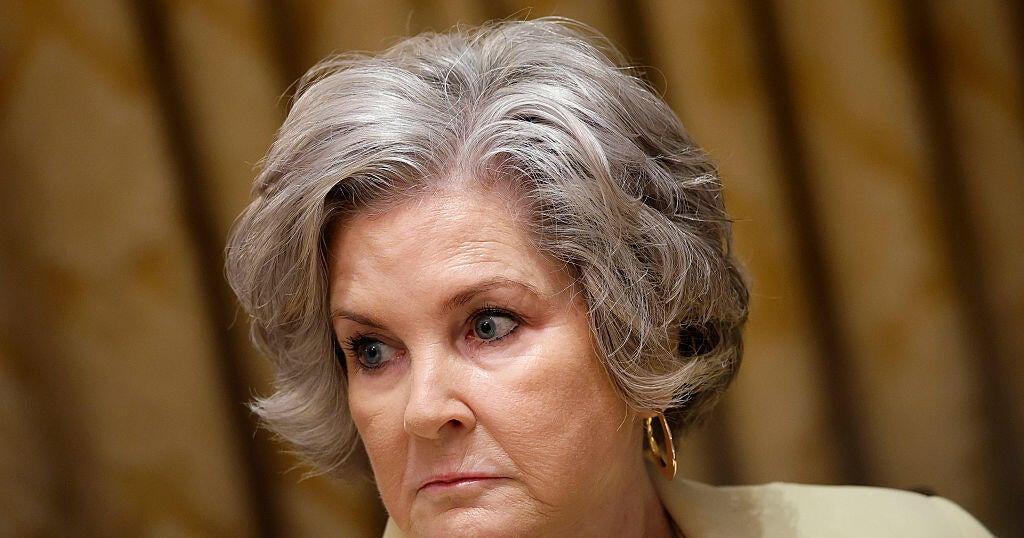
A two-part Vanity Fair profile based on interviews by journalist Chris Whipple prompted a public stir after White House chief of staff Susie Wiles was quoted describing President Donald Trump as having "an alcoholic's personality." The reporting compiled numerous candid assessments from Wiles about the president and senior aides, and many outlets summarized the key line that Trump — who is widely reported to be teetotal — was likened to traits she associated with alcoholism. The profile's revelations have been circulated and highlighted across a range of outlets, from Asian publications to Western mainstream and alternative outlets, underscoring how the same central quote became the focal point of varied coverage.

Trump defends chief of staff
President Trump publicly defended Wiles after the profile ran. Speaking to the New York Post and other outlets, he said he was not offended by Wiles’s wording and reiterated that he does not drink. He joked that if he did drink he 'could very well' become an alcoholic—a phrase he has reportedly used about himself—and praised Wiles’s performance.
He also criticized Vanity Fair’s reporting, with some reports saying he called the article misleading or said reporter Chris Whipple 'deceived' Wiles. Several accounts noted he had not read the full piece even as he publicly backed his chief of staff.

Official defenses and responses
Wiles herself pushed back forcefully, using X to call the Vanity Fair article a 'disingenuously framed hit piece,' and several senior White House officials publicly backed her.
“Wiles pushed back, calling the portrayal inaccurate and saying the administration has achieved more in its first 11 months than most presidents do in eight years.”
Press secretary Karoline Leavitt issued praise for Wiles’s leadership, and aides named in the story, including Vice President J.D. Vance and other cabinet members, defended her performance.
The post-publication defense and denials framed much of the immediate fallout as a fight over context and framing rather than a wholesale repudiation of the quoted material.
Vanity Fair profile reactions
A Vanity Fair profile catalogued several blunt assessments Wiles made of public figures and policies.
She called Vice President J.D. Vance a 'conspiracy theorist,' described Elon Musk as an 'odd, odd duck' and an 'avowed' ketamine user, criticized handling of Jeffrey Epstein files, and discussed immigration and tariff decisions.

Different outlets highlighted different elements: some emphasized personnel nicknames and candid language, while others stressed policy critiques or the personal background Wiles referenced—her father's alcoholism—that informed her analogy.
Media fallout and reactions
The immediate fallout mixed defenses with debate over framing. Administration allies publicly defended Wiles and emphasized unity. Other outlets examined whether the profile's tapes or sourcing undercut parts of her public pushback.
“Wiles made sharp, unflattering remarks — most notably calling the teetotaler Trump an 'alcoholic’s personality' — and criticized other top officials.”
Commentary and analysis probed the political implications of an unusually frank inside account from a longtime aide, from character assessments to questions about how much Wiles can or will influence major decisions. Coverage and interpretation vary by outlet type: mainstream reports focus on quotes and official responses, alternative outlets dig into implications and sourcing, and regional outlets highlight local angles or background.