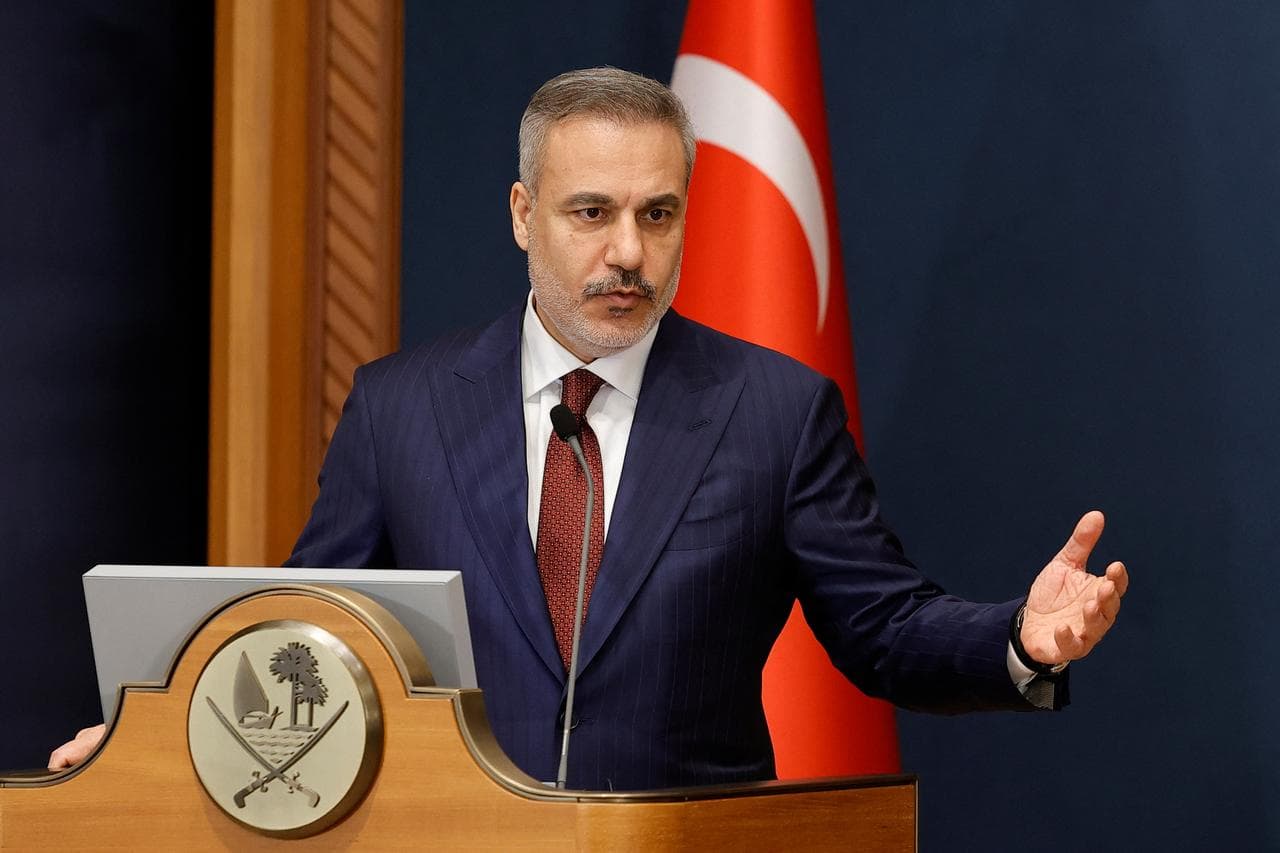
Trump Delays U.S. Strikes on Iran Energy Infrastructure for Five Days
Key Takeaways
- Trump delays strikes on Iran energy infrastructure for five days, citing ongoing talks.
- Iran denies any talks with Washington despite Trump's claims of productive discussions.
- Regional mediators including Pakistan, Turkey, and Egypt are reported to be facilitating talks.
Trump's Dramatic Reversal
President Donald Trump dramatically delayed planned U.S. military strikes on Iran's energy infrastructure for five days just hours before a self-imposed deadline.
“President Donald Trump paused planned U”
He cited what he described as 'very good and productive conversations' with Iranian officials aimed at resolving Middle East hostilities.

The announcement came after Trump had issued a 48-hour ultimatum demanding that Iran reopen the strategically vital Strait of Hormuz.
In posts on Truth Social and an interview with CNBC, Trump stated he had instructed the Department of War to postpone strikes targeting Iranian power plants and energy infrastructure.
This created a narrow diplomatic window while maintaining military readiness.
However, the abrupt shift from imminent military action to claimed diplomatic progress left international observers puzzled about Washington's true intentions.
Iranian Rejection and Denials
Iranian officials swiftly and categorically rejected Trump's claims of ongoing negotiations.
They dismissed them as 'psychological warfare' and 'market manipulation' designed to influence energy markets and buy time for military planning.

The Iranian Foreign Ministry issued a statement through Mehr News Agency insisting there were 'no talks between Tehran and Washington.'
Parliamentary speaker Mohammad-Bagher Ghalibaf called the claims 'fake news' aimed at manipulating financial markets.
Iranian state media reported that Trump had 'backed down' after Iran vowed swift retaliation for any attacks on its energy infrastructure.
A senior security official told Tasnim News Agency that Trump had 'retreated' due to military threats from Tehran and soaring energy prices.
These conflicting narratives created deep uncertainty about the actual state of diplomatic engagement between the adversaries.
Market Reactions and Volatility
Global financial markets reacted sharply to Trump's announcement, with oil prices plunging and stock markets rallying on hopes of de-escalation.
“Skip to navigationSkip to contentSkip to footerHelp using this website - Accessibility statement Today's Paper Advertisement Markets Chanticleer Print article Updated Mar 24, 2026 – 4”
Oil prices reversed some gains when Iran's denials emerged.
Brent crude oil fell significantly, dropping as much as 14 percent at one point to $96 per barrel.
The S&P 500 climbed 1.1 percent for its best day since the war began.
The rapid market swings reflected the uncertainty surrounding the situation.
Experts warned that even temporary closures of the Strait of Hormuz can trigger worldwide inflation and raise fuel prices.
The market volatility underscored the global economic stakes of the conflict.
Regional Mediation Efforts
Regional powers including Pakistan, Turkey, and Egypt emerged as key mediators in the crisis.
Multiple reports indicated they were passing messages between Washington and Tehran to de-escalate tensions.
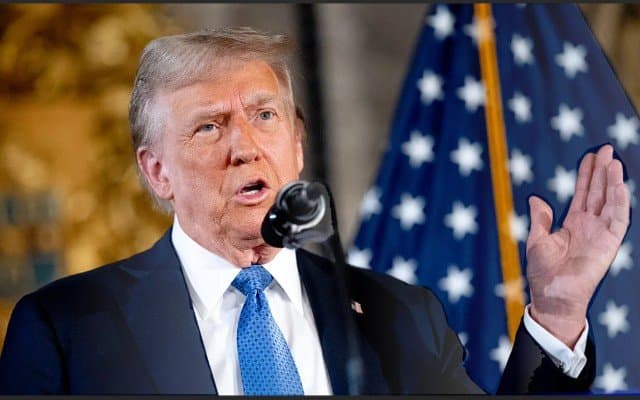
According to Axios, senior officials from these three countries held separate talks with White House envoy Steve Witkoff and Iranian Foreign Minister Abbas Araghchi.
Pakistan's military chief reportedly spoke directly with Trump on Sunday in an effort to reduce tensions.
Pakistan's unique position as a country with strong ties to both Iran and the US made it an attractive intermediary.
Turkish Minute reported that Turkey had joined Egypt and Pakistan in mediating between the United States and Iran.
These mediation efforts reflected the growing international concern about the potential for wider regional conflict.
Continued Military Operations
Despite Trump's announced pause, military operations continued in the region with new strikes reported on Iranian energy facilities.
“Iranian officials, however, rejected these claims, asserting that no talks were underway and suggesting that the U”
Iranian media reported that energy facilities in the cities of Isfahan and Khorramshahr were targeted in separate strikes.

Fars News Agency noted that a gas management building and gas pressure reduction station in Isfahan were struck.
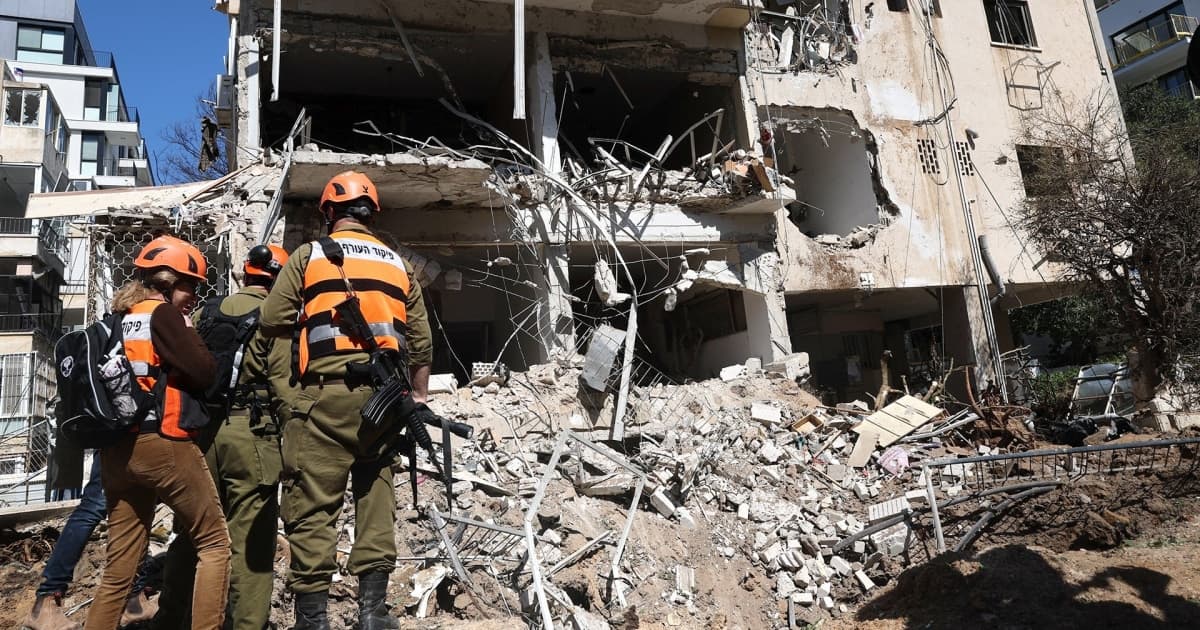
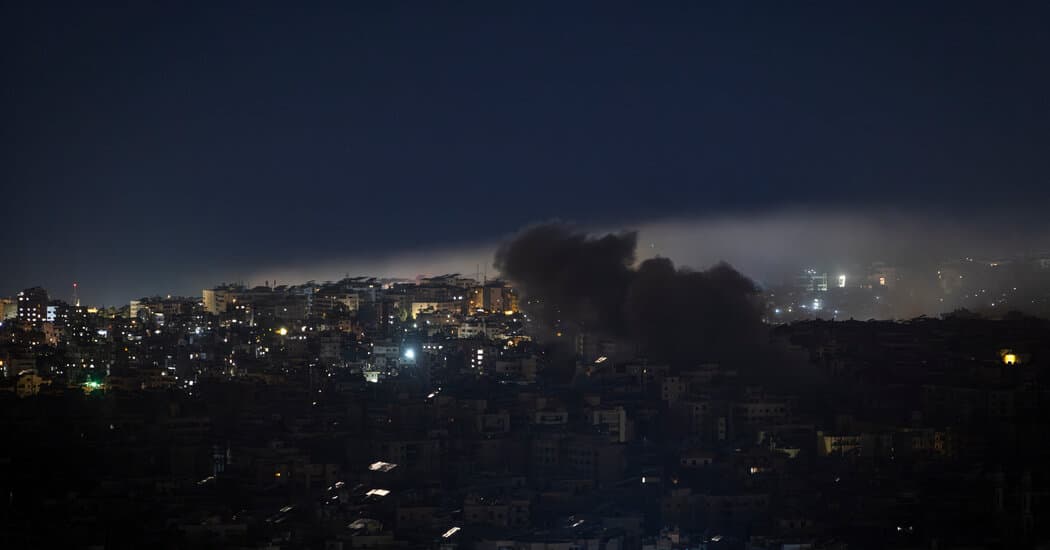
Meanwhile, Iran launched multiple waves of missiles toward Israel, triggering air raid sirens across several regions including Tel Aviv.
The Israeli military confirmed it struck one of the Islamic Revolutionary Guard Corps' main headquarters in Tehran alongside several other military buildings.
CNN International reported that the USS Gerald R. Ford arrived in Souda Bay, Greece for maintenance after a fire broke out in the ship's laundry area.
These ongoing military actions suggested that the five-day delay was tactical rather than a fundamental shift in US strategy.
Strategic Analysis and Implications
Strategic analysts viewed Trump's delay as potentially serving multiple purposes beyond genuine diplomatic engagement.
These include tactical positioning, market manipulation, and creating a narrative of American restraint while maintaining military pressure.
Newsweek suggested the pause could be another 'Taco' moment—Trump Always Chickens Out—where the president escalates before pulling back from the brink.
Financial Times analysis noted that by pausing on the most economically sensitive targets, Trump was attempting to flip the burden of escalation onto Tehran.
The move gives Trump a chance to test indirect diplomacy via regional intermediators without requiring immediate public concessions.
However, Iranian officials remained defiant, with Parliament Speaker Ghalibaf warning of 'irreversible destruction' to regional energy facilities.
These factors suggested the crisis remained highly volatile despite the temporary diplomatic window.
More on Iran
Iran Fires Missiles at Tel Aviv Amid Trump's Peace Talks Claims
16 sources compared

Iran Launches Missiles at Israel as Iran Denies Trump Talks
12 sources compared

Trump says U.S. negotiating with Iran to end war, Iran denies deal.
16 sources compared
Iran Fires Missiles at Israel as Trump Postpones Strikes Over Talks
12 sources compared