USA18 December, 20253 min read
Trump Delivers Primetime Address as Economy Approval Hits New Low
This article is an automated aggregation of coverage from news outlets. Our editorials offer in-depth analysis curated by the NewsCord team.
Trump asserted his policies reduced prices and touted economic gains in a primetime address $1,776 "warrior dividends" end-of-year bonuses announced for active-duty military O-6 and below
17 outlets told this the same way.
Outlets did split on Trump Interrupted by Protesters at San Antonio Rally for Ken Paxton →
Trump Dec 2025 speech
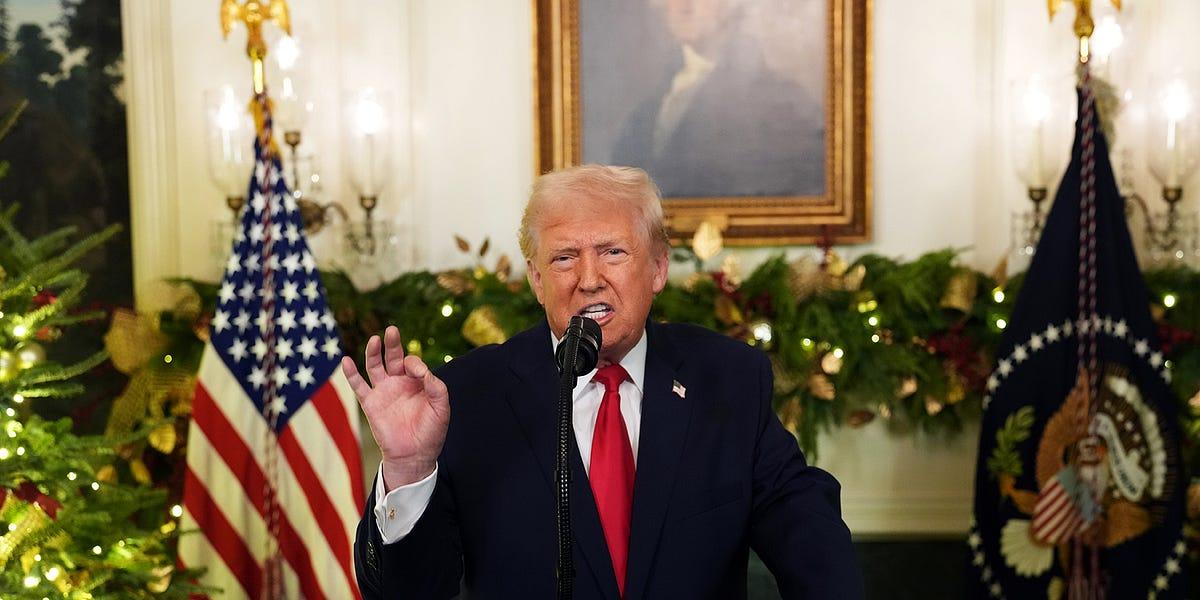
President Donald Trump delivered a prime-time address from the White House on Dec. 17, 2025, aiming to reassure the public about the economy and outline priorities on immigration and national security.
“President Trump delivered an 18-minute primetime address from the White House Diplomatic Reception Room on Dec. 17, 2025, speaking directly to the nation about his administration’s work over the past 11 months.”
Accounts place the speech in the Diplomatic Reception Room and report it ran roughly 18–20 minutes and aired live on major networks at 9 p.m. Eastern.
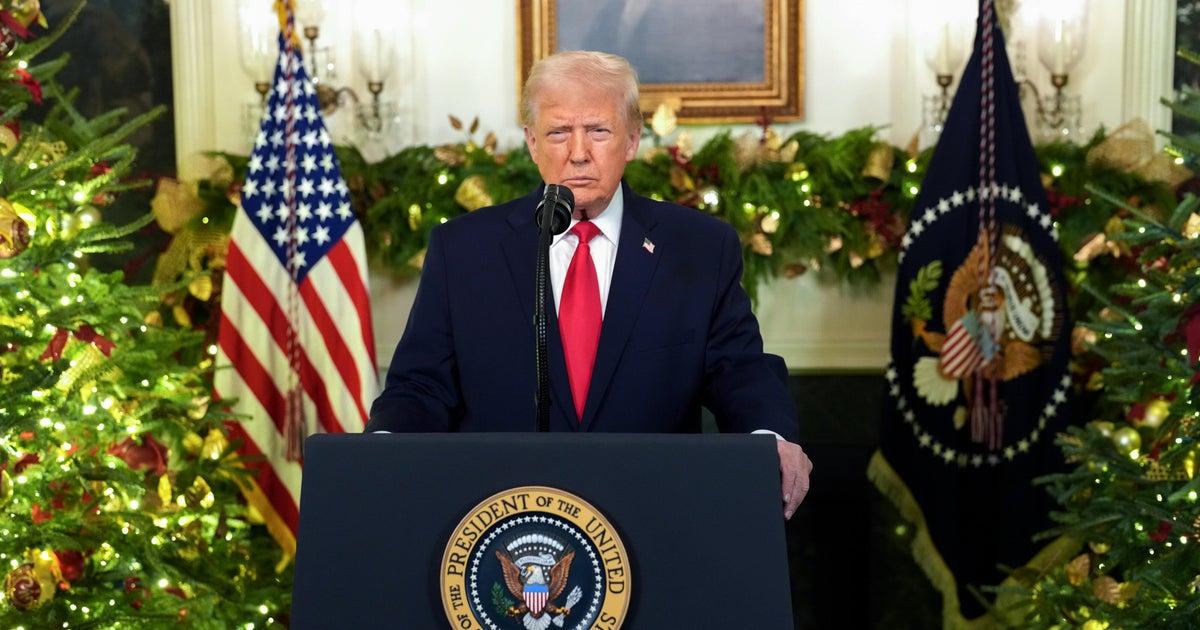
Reporters on the scene noted small details like Trump sipping Diet Coke and asking staff, "You think that's easy?" immediately after speaking.
Outlets broadly agree the remarks centered on claims of economic accomplishment and sharp criticism of Democrats and his predecessor.
Several sources tied the timing of the address to political concerns — warning signs about the economy, Democratic off‑year wins on affordability, and slipping poll numbers — which framed the speech as both a policy update and a political message ahead of the midterms.
Trump economic claims
Much of the address focused on economic claims. Trump asserted strong economic performance, touted large investment figures and tax measures, and claimed that consumer prices for items such as turkey and eggs had fallen dramatically.
Supporters and pro-Trump accounts repeated his upbeat framing; for example, Deadline reported Trump saying, "we are making America great again tonight," and claiming that inflation has been stopped. Fact-checking and analytical outlets pushed back on several specifics and questioned the scale of the administration’s touted results.

Media reactions to speech
On policy specifics, the speech mixed sweeping allegations and headline claims with few concrete, new legislative proposals. NBC noted several contested factual claims, including an assertion that Trump attributed 25 million undocumented crossings to the Biden era and a claim about Social Security taxation.
“The piece also cites a New York Times report that the Trump administration is launching a new campaign aimed at foreign‑born Americans as part of its immigration crackdown, including internal guidance to U.S. agencies (details in the excerpt are truncated).”
Other outlets highlighted administration actions or related controversies. HuffPost connected the broader immigration debate to a reported Trump administration campaign aimed at foreign-born Americans, while Zeteo and NBC pointed to disputes over who is responsible for rising health-insurance premiums and how to measure investment pledges.
Media reactions and framing
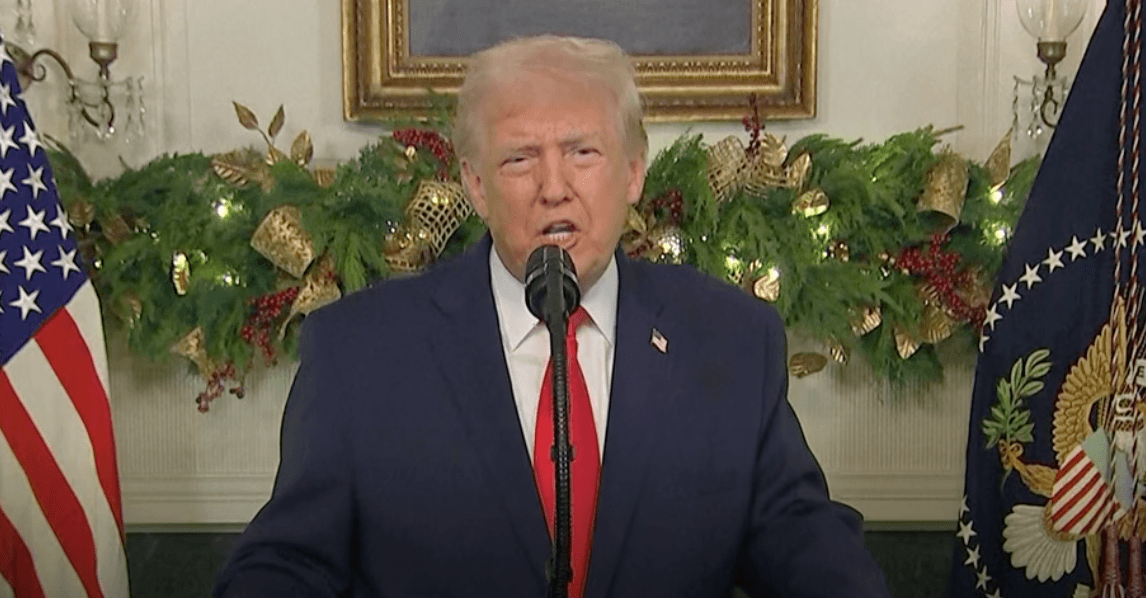
Reactions and interpretation diverge across outlets. Some portray the address as a defensive attempt to shore up sagging political standing, others present the rhetoric on its face, and a few convey a triumphant or optimistic angle. Zeteo describes the speech as a 'defensive, factually inaccurate plea for public approval as his poll numbers fall' and says several allies were puzzled the White House greenlighted it.
Crispng similarly calls it a messaging exercise and notes polling shows the blame strategy is weakening. By contrast, Deadline reports Trump's insistence that 'inflation has been stopped'.
The Daily Beast's excerpt frames the speech as a dramatic turnaround, saying 'what once seemed impossible has happened'. These divergent portrayals map onto different source types and editorial choices: mainstream outlets often center fact checks and data, alternative or partisan outlets may foreground political messaging or the claims themselves, and other outlets vary between descriptive reporting and critical analysis.
Media coverage of political speech
Bottom line: across sampled coverage, the speech is presented as a politically timed effort to reframe the administration’s record amid weak public sentiment on the economy. Outlets differ dramatically on whether to treat Trump’s claims at face value or to prioritize immediate fact checks and political consequences.
“President Trump delivered an 18-minute primetime address from the White House Diplomatic Reception Room on Dec. 17, 2025, speaking directly to the nation about his administration’s work over the past 11 months.”
That means readers will encounter a range of narratives, from straightforward reporting of the address’s length, setting and themes (SSBCrack News, Deadline) to critical appraisals of accuracy and political effect (NBC News, Zeteo, crispng). Those choices reflect the sources’ types and editorial priorities.
