Ukraine War22 January, 20262 min read
Trump Demands End To Russia's War After Davos Meeting With Zelensky
This article is an automated aggregation of coverage from news outlets. Our editorials offer in-depth analysis curated by the NewsCord team.
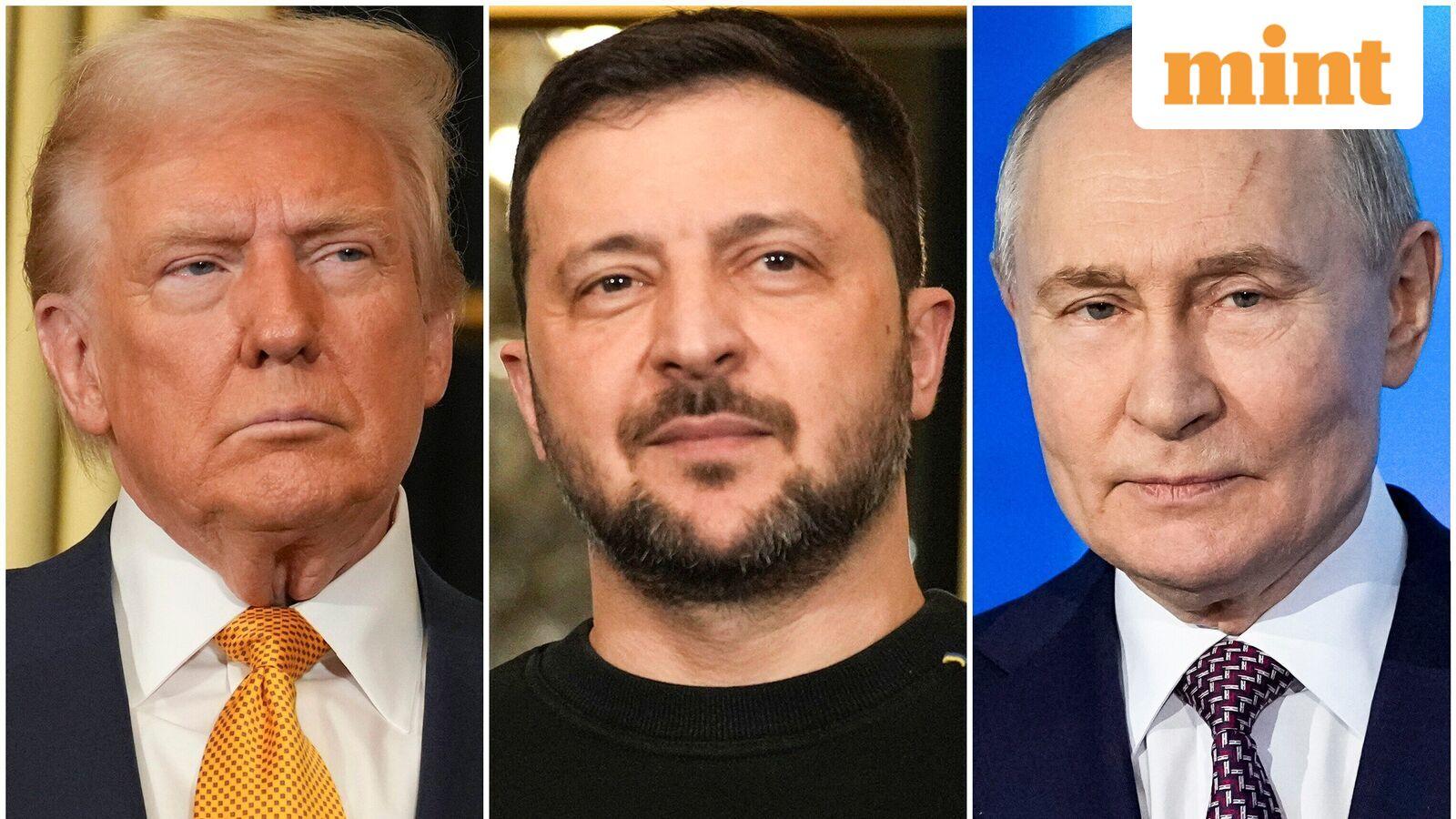
Donald Trump met Volodymyr Zelensky at the Davos World Economic Forum. Trump demanded Russia's war in Ukraine stop, saying 'the war has to end'.

10 outlets told this the same way.
Outlets did split on Russian Attack Kills At Least 33 On Two Buses In Kramatorsk →
Davos talks on Ukraine
At the World Economic Forum in Davos, US President Donald Trump held a roughly hour-long meeting with Ukrainian President Volodymyr Zelensky. After that meeting, Trump told Russian President Vladimir Putin that the war in Ukraine 'has to end'.
“At the Davos summit, US President Donald Trump held a one-hour meeting with Ukrainian President Volodymyr Zelensky to discuss a ceasefire in Ukraine; Trump called the talks ‘good’ and said ‘the war has to end.’”
Trump described his talks with Zelensky as 'good' but provided no details. Several outlets reported the interaction intensified US-led shuttle diplomacy aimed at negotiating a settlement.

Zelensky at Davos
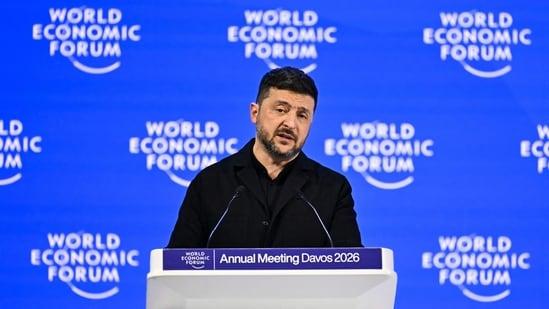
Volodymyr Zelensky traveled to Davos to press for firm security guarantees and post-war reconstruction support. Several outlets reported he used his WEF address to scold European leaders for perceived indecision. Mint described him as having threatened to skip the forum and later likened the continent's debate to "Groundhog Day".
TimesLIVE and Hindustan Times reported he conditioned his attendance on US guarantees and funding requests. This framing underscores Zelensky's insistence on long-term commitments rather than short ceasefires.
US Davos diplomatic push
At Davos, the US launched a parallel initiative when Trump signed a charter for a new "Board of Peace." His team touted the Board as an organization "to help resolve international conflicts," and the White House press office described the charter as "now in full force."
“Trump signed the charter for a new ‘Board of Peace’ in Davos, which his team describes as an organisation to help resolve international conflicts; White House press secretary Karoline Leavitt called the charter ‘now in full force.’”
Reports say US envoys, including Steve Witkoff and Jared Kushner, were due in Moscow and then in Abu Dhabi for military and "prosperity" discussions. That diplomatic sequence aimed to lock in talks, but critics warn the Board could undercut multilateral institutions.
Moscow response to Davos
Despite increased diplomatic activity, multiple sources report Moscow has been cool to the US-led push. At times Moscow has demanded Ukrainian concessions in areas such as Donetsk and raised the prospect of using frozen Russian assets for reconstruction, suggesting substantive hurdles remain and there is little sign Moscow wants to stop fighting. The contrast between public calls for an end to the war and Moscow's demands highlights the practical limits of the Davos meeting.
Davos media coverage
Reporting around the Davos meetings stresses divergent emphases: some outlets highlight humanitarian pain and infrastructure disruption in Ukraine, while others emphasize market reactions and the broader WEF backdrop. Mint notes severe airstrikes and utilities outages; TimesLIVE records market optimism as Ukrainian bonds rose; and Hindustan Times and Mint report ancillary Davos developments, from Greenland tariff diplomacy to Trump's delayed arrival and an unrelated Elon Musk tech disclosure, illustrating how coverage mixes immediate Ukraine diplomacy with wider WEF storylines.
“Zelensky, who had earlier suggested he might skip the World Economic Forum, is also dealing with the aftermath of large Russian airstrikes that have left millions in parts of Ukraine without heat, electricity or water in freezing conditions.”
These differences shape readers' sense of urgency, priority, or distraction. Citations are listed below.