South America03 November, 20252 min read
Trump Demands Harsher ICE Raids Amid Public Outcry Over Brutal Tactics
Trump insists ICE raids 'haven't gone far enough' despite public protests. Trump blames liberal judges appointed by Biden and Obama for limiting ICE enforcement.
15 outlets told this the same way.
Outlets did split on Alexandre de Moraes Orders Eduardo Bolsonaro Arrest, Cancels Passport, Enforces Four-Year Sentence →
Trump's Immigration Enforcement Stance
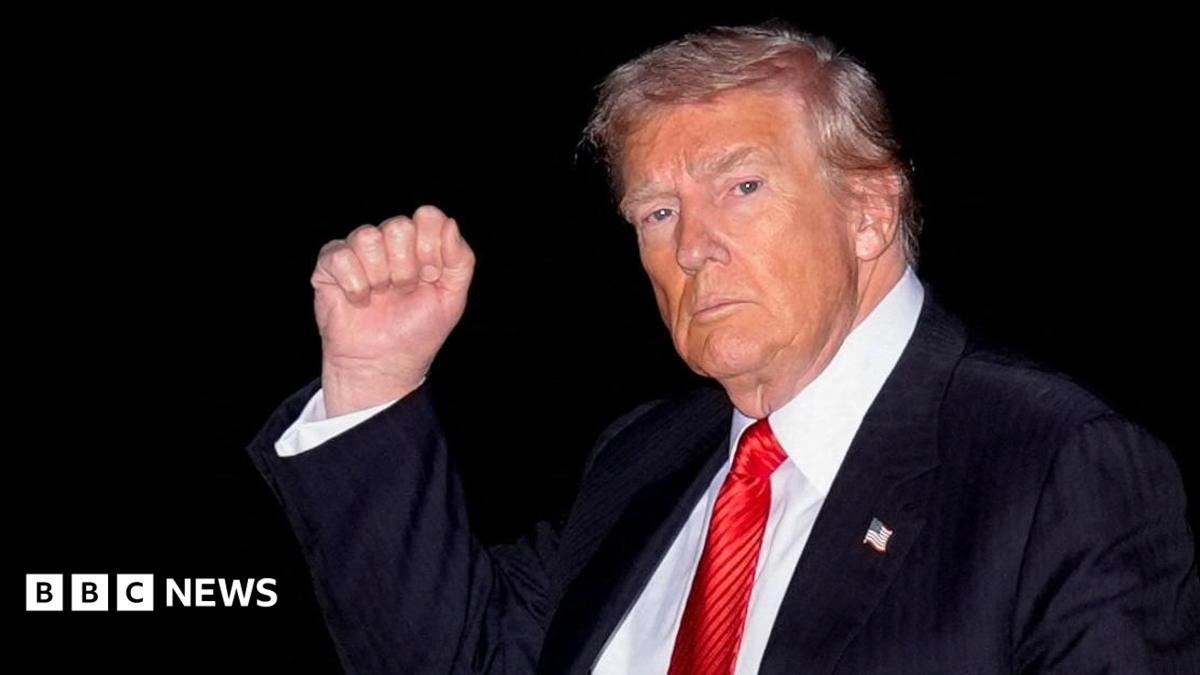
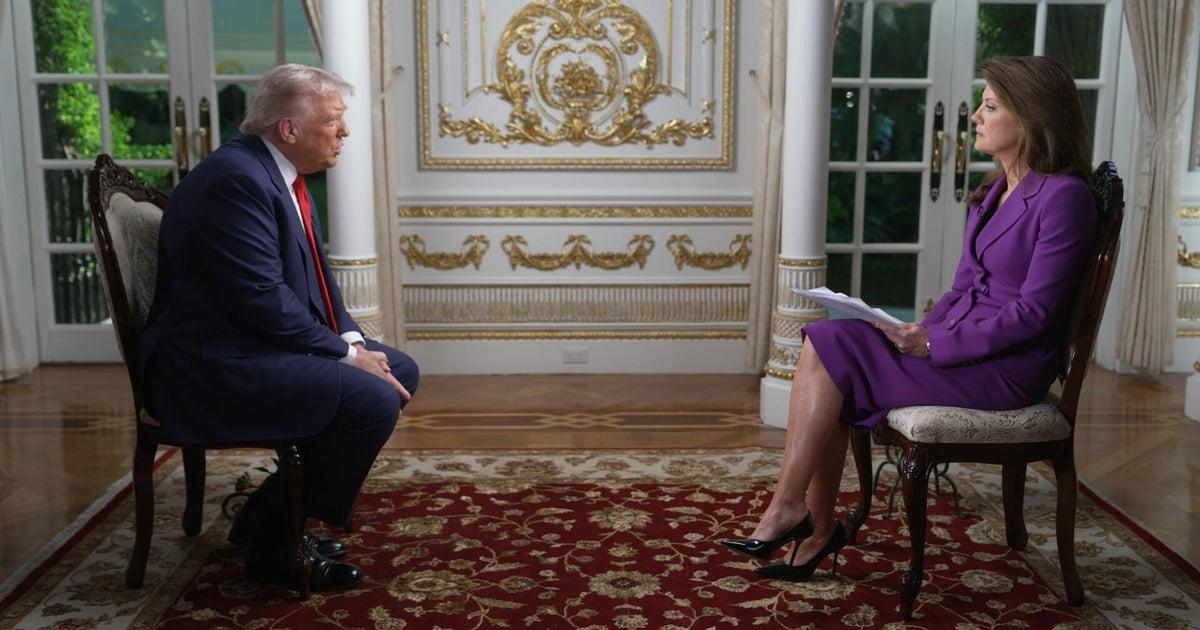
In a CBS 60 Minutes interview, Donald Trump demanded even harsher ICE raids, saying the operations “haven’t gone far enough.” He defended agents’ use of aggressive tactics and characterized many detainees as criminals or even “murderers.” Multiple Western mainstream outlets report Trump also blamed “liberal judges” appointed by Biden and Obama for obstructing mass deportations.
“In a CBS News 60 Minutes interview, President Donald Trump defended aggressive Immigration and Customs Enforcement (ICE) tactics, stating the raids ‘haven't gone far enough’... Trump justified the forceful approach... many of whom he described as murderers.”
He framed judicial rulings as the main brake on enforcement. Coverage highlights his pledge to intensify nationwide raids as a central 2024 campaign promise and to press forward despite public criticism of controversial detentions. Together, these accounts depict a White House doubling down on forceful immigration enforcement while challenging the courts that have repeatedly constrained it.
Protest Tactics and Reactions
Sources list various tactics involved, including physical force, tear gas, vehicle ramming, breaking windows, and even church raids during protests and allegations of rights violations. Some reports mention that certain incidents resulted in disciplinary measures against agents. Trump continues to defend these methods as necessary to remove criminals.
Critics highlight scenes of agents tackling a young mother and confrontations in residential neighborhoods. The public outcry has grown, especially in cities led by Democrats, as enforcement actions have increased.
Trump's Deportation Strategy
Policy-wise, coverage says Trump aims to speed up deportations by reshuffling leadership—replacing some regional ICE chiefs with Border Patrol officials—and by broadening removals to include all who entered illegally. Reports note the dragnet has hit not only criminals but also essential laborers like farmers and landscapers.
Trump reiterates that many detainees have criminal records and, per one outlet, claims some immigrants working as gardeners and nannies are criminals. These narratives underscore a push for mass deportation as a centerpiece of his 2024 agenda.
Judicial Impact on Enforcement Actions
A central clash runs through the reporting: Trump blames “liberal judges” for handcuffing enforcement. Lawsuits and court orders have also blocked parts of his strategy, including National Guard deployments. Asian outlets detail deployments and injunctions city-by-city—troops sent to Los Angeles but blocked in Portland and Chicago.
Western and other outlets highlight broader patterns and specific rulings, including a Chicago block. Some coverage quantifies the judicial headwinds, noting more than 100 rulings against detention and deportation policies.

Media and Political Reactions
The political and media crossfire is sharp. Daily Caller (Western Alternative) reports DHS Secretary Kristi Noem’s claim that “misleading media coverage” and Democratic rhetoric fueled an 8,000% surge in doxxing and death threats against ICE agents. Other outlets emphasize protests, rights concerns, and a spate of lawsuits.
“The interview additionally covered topics including China, Venezuela, Israel, the government shutdown, and National Guard deployments.”
Some coverage adds metanarrative context—Reel 360 News notes Trump’s first CBS interview since settling a $16 million lawsuit over a prior 60 Minutes segment and spotlights a federal judge blocking Guard support in Chicago. The Independent catalogs the interview’s wider geopolitical topics beyond immigration. Together, the sources depict an enforcement agenda that is intensifying amid public outcry, legal resistance, and polarized media framing.
