
Trump Demands NATO and China Police Strait of Hormuz as Iran War Escalates
Key Takeaways
- Trump demands seven countries send warships to keep the Strait of Hormuz open.
- Trump asks China to delay Xi Jinping summit due to Iran war.
- Allies balk at joining coalition; Macron rated willingness eight out of ten.
Trump's Demands
President Donald Trump has launched an urgent campaign to secure international cooperation for policing the Strait of Hormuz as the Iran war enters its third week.
“President Donald Trump said Sunday that he hasdemandedabout seven countries send warships to keep theStrait of Hormuzopen, but his appeals have brought no commitments asoil prices soarduring theIran war”
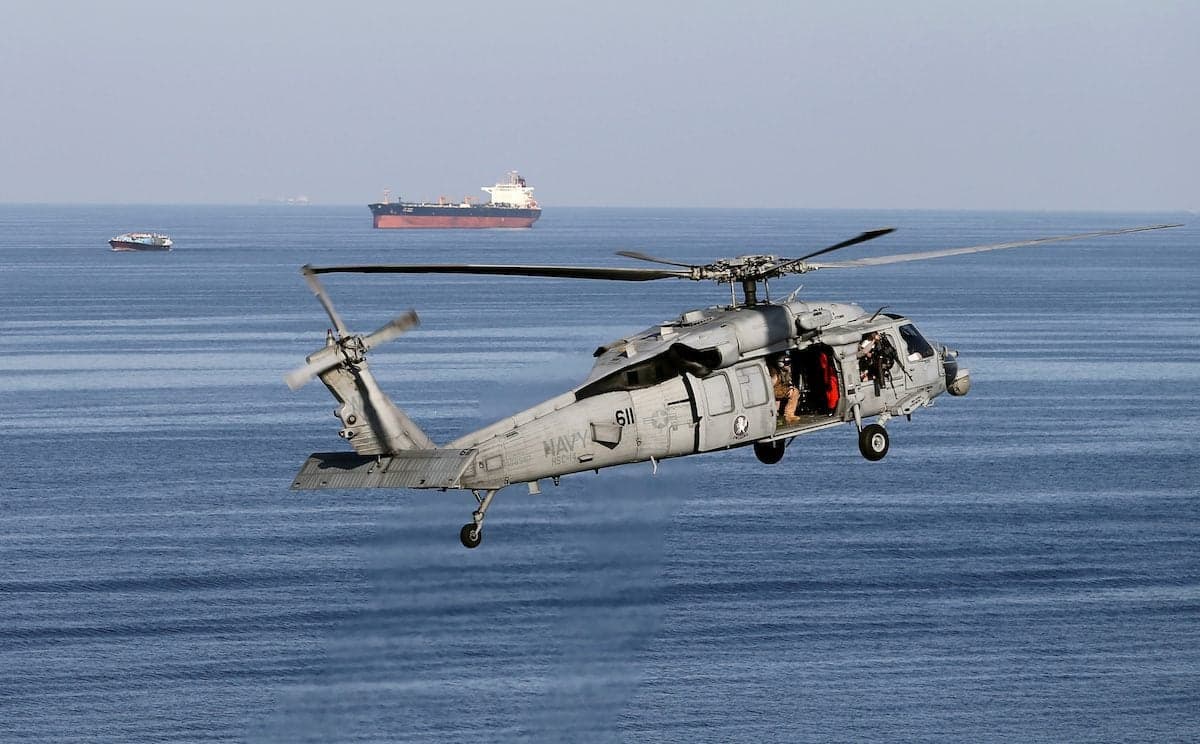
He has specifically appealed to China, France, Japan, South Korea and the UK to join forces in securing the strait, which handles roughly 20% of global oil and liquefied natural gas flows.

The request comes as commercial shipping through the waterway has collapsed from more than 100 vessels daily under normal conditions to just a handful.
This collapse has caused oil prices to spike and threatens global energy security.
Trump has emphasized that while the U.S. has the capability to act alone, international cooperation would be preferable for maintaining stability in the region.
European Resistance
European allies have firmly rejected Trump's requests to participate in a military coalition to secure the Strait of Hormuz, with Germany leading the resistance among NATO members.
German Chancellor Friedrich Merz declared that "the war in the Middle East is not a matter for NATO" and that Germany "will not become involved militarily," emphasizing that "this is not our war; we did not start it."
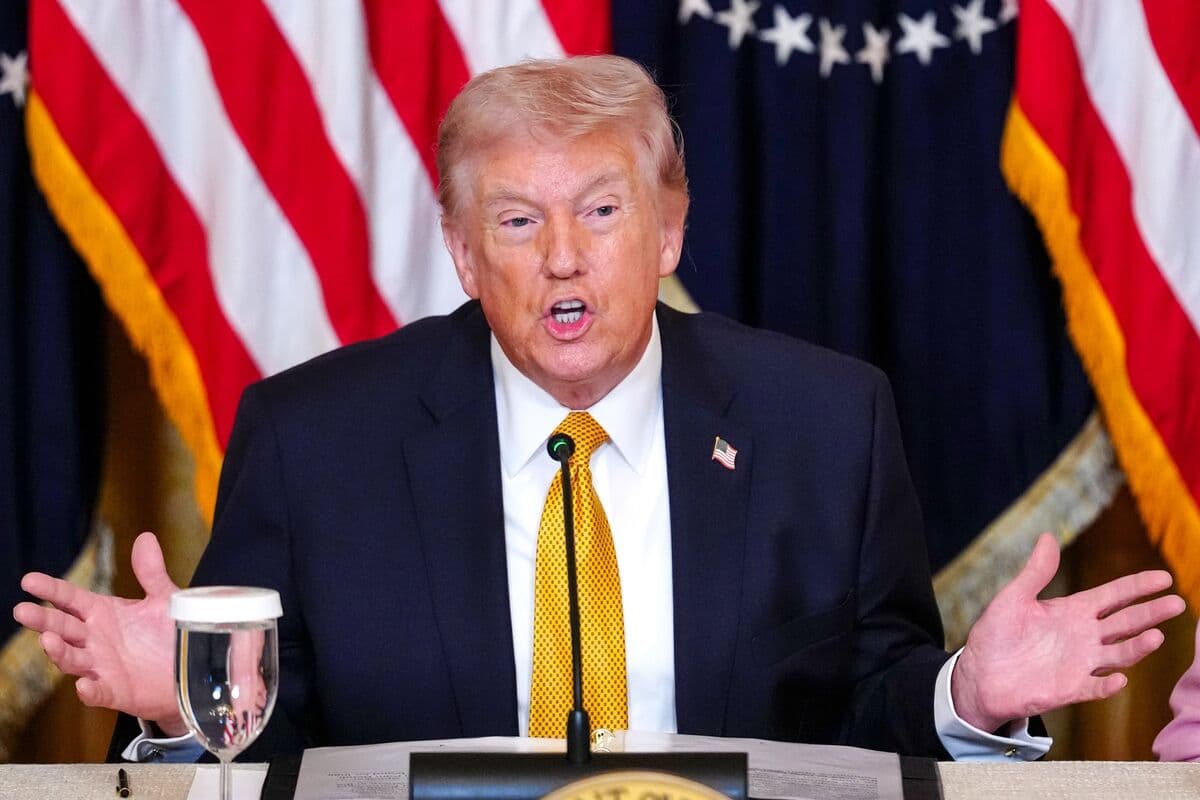
Defense Minister Boris Pistorius was equally adamant, questioning the logic of European involvement and asking "What does Donald Trump expect a handful of European frigates to do that the powerful U.S. Navy cannot do?"
Spain and Italy have also indicated they will not send ships to the strait, with Italian Deputy Prime Minister Matteo Salvini stating that "sending military ships in a war zone would mean entering the war."
This European reluctance stems partly from the lack of prior consultation before the U.S.-Israeli strikes on Iran, with German officials noting that "the U.S. and Israel did not consult us before the war" and that "Washington explicitly stated at the start of the war that European assistance was neither necessary nor desired."
Iran's Strategy
Iran has taken a strategic approach to managing the Strait of Hormuz, allowing passage for vessels from "different countries" while specifically blocking access for "the United States and its allies."
“President Donald Trump had a tepid assessment of French President Emmanuel Macron’s willingness to join an effort to secure safe passage in the Strait of Hormuz”
Foreign Minister Abbas Araghchi revealed that Tehran has been "approached by a number of countries" seeking safe passage for their vessels, stating that "this is up to our military to decide."
He confirmed that a group of vessels from different countries had been granted passage without providing specific details.
Iran's selective approach reflects its strategy of using economic pressure as a weapon while avoiding complete closure of the strait, which would provoke even greater international backlash.
The Iranian government has also made clear its refusal to engage in direct negotiations with the U.S., with Araghchi stating "we don't see any reason why we should talk with Americans" about finding a way to end the war, noting that "Israel and the U.S. started the fighting with coordinated attacks on Feb. 28."
Oil Market Impact
The escalating conflict has triggered significant disruptions in global energy markets, with oil prices surging to multi-year highs as the Strait of Hormuz crisis creates uncertainty in global supply chains.
U.S. crude oil prices briefly exceeded $100 per barrel, with West Texas Intermediate trading at about $101.02 per barrel, representing a 2.3% increase from Friday's close.
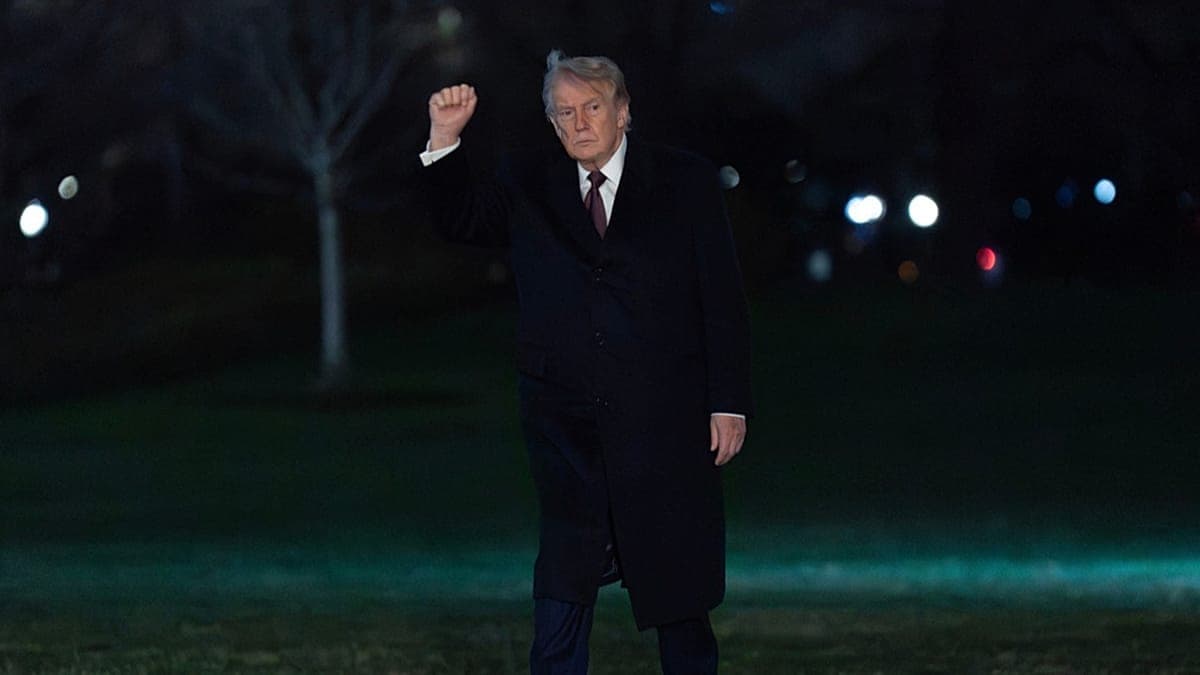
While prices later eased somewhat, with benchmark U.S. crude falling 5.3% to settle at $93.50 and Brent crude dropping 2.8% to $100.21 per barrel, the market remains volatile due to ongoing uncertainty about the strait's accessibility.
The economic impact extends beyond energy markets, as the disruption affects international trade routes and shipping costs, potentially contributing to inflationary pressures globally.
Treasury Secretary Scott Bessent has indicated that the Trump administration has no plans to intervene in the oil futures market to reduce prices, leaving market forces to address the supply disruptions.
Trump's Frustration
Trump has expressed significant disappointment with allies who have refused his requests, publicly criticizing several countries while suggesting the U.S. might not need their assistance.
“Cancel anytime during your trial”
The president stated that "there are some countries that greatly disappointed me" and revealed that "some are very enthusiastic, and some are less than enthusiastic" about joining the effort.
Trump has framed his demands as both a practical necessity and a test of ally loyalty, suggesting "I'm almost doing it in some cases, not because we need them, but because I want to find out how they react."
The president's frustration was particularly directed at British Prime Minister Keir Starmer, whom he berated for consulting his ministers before responding to Trump's request, saying "You don't have a team. You're the prime minister. You can make a decision."
Despite his public criticism, Trump has acknowledged that "some countries have come forward to help secure the strait" while declining to identify them, creating diplomatic uncertainty as the conflict continues to escalate.
Military Escalation
The ongoing military conflict shows no signs of abatement, with Israel's military indicating that the war against Iran will last "at least three more weeks" due to the existence of "thousands of targets" remaining in Iran.
Meanwhile, U.S. forces continue to engage in military operations, with President Trump revealing that American forces "literally destroyed everything on Iran's Kharg Island except for its oil facilities" while leaving open the possibility of targeting those oil infrastructure in the future.
The military situation remains complex, with U.S. Navy ships being redeployed and Iran continuing to threaten attacks on U.S.-linked industrial facilities across the region.
In a concerning development, a prominent hotel in Baghdad's heavily fortified Green Zone was struck by a drone, causing damage but no casualties, highlighting the broader regional implications of the conflict.
As diplomatic efforts to secure the strait continue to face resistance, the military standoff between Iran, Israel, and the United States shows no clear path toward de-escalation in the near future.
More on Iran
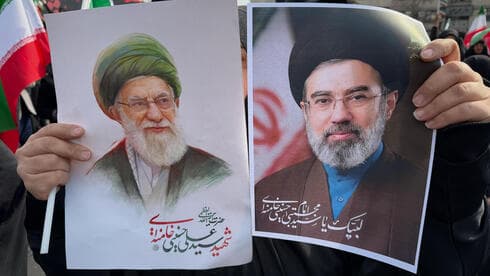
Iran weakened but intact, not rebuilding enrichment, says U.S. intelligence chief Tulsi Gabbard.
27 sources compared

Israel Kills Iran's Security Chief Ali Larijani in Air Strike, Iran Vows Decisive Retaliation
34 sources compared

Israel Kills Ali Larijani and Gen. Gholam Reza Soleimani in Overnight Strikes
31 sources compared

Trump Waives Jones Act for 60 Days to Relieve Oil Price Surge Amid Iran War
10 sources compared