USA14 January, 20262 min read
Trump Demands U.S. Take Control of Greenland, Calls on NATO to Lead Effort Ahead of Talks
Trump demanded US control of Greenland, calling anything less 'unacceptable' and vital for national security. Trump urged NATO to lead and support US efforts to acquire Greenland.
14 outlets told this the same way.
Outlets did split on Trump Interrupted by Protesters at San Antonio Rally for Ken Paxton →
Trump seeks control of Greenland
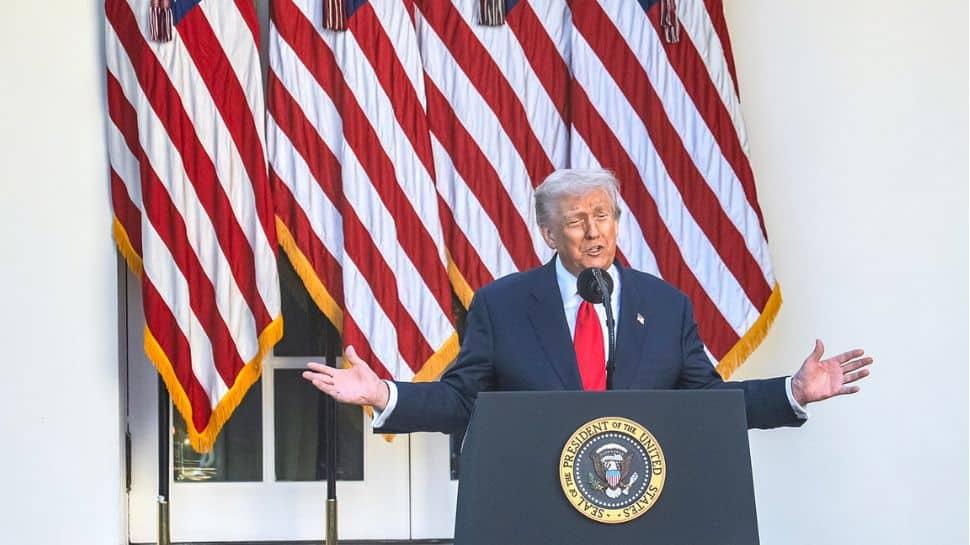
Former U.S. President Donald Trump renewed calls for the United States to take control of Greenland, arguing the island is vital to U.S. national security and for a missile-defense plan he calls the Golden Dome.
“NATO should help the United States acquire Greenland, arguing the island is needed for U.S. national security and that anything less than U.S. ownership is ‘unacceptable.’”
In a Truth Social post he said NATO should lead efforts to help the U.S. acquire Greenland and warned that if Washington does not act Russia or China could gain influence, calling anything less than American ownership unacceptable.

The White House and Trump allies framed the move as strengthening NATO and the U.S. defense posture.
Reports noted the administration has not ruled out use of force to press the issue.
Transatlantic Arctic diplomacy
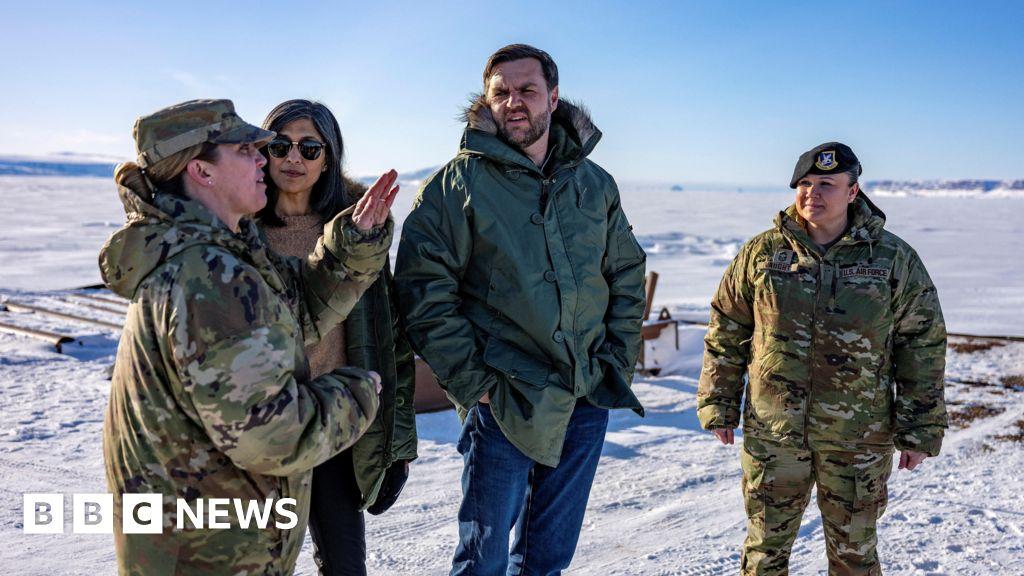
The comments came just hours before high-stakes meetings in Washington between U.S. officials — including Vice‑President J.D. Vance and Secretary of State Marco Rubio — and Danish and Greenlandic representatives.
The timing raised tensions in transatlantic diplomacy.

Denmark signalled it would strengthen its military presence in Greenland and sought greater NATO activity in the Arctic, while Greenlandic leaders reiterated they prefer to remain part of Denmark and rejected being "owned" by the United States.
European stance on Greenland
European leaders voiced a unanimous, strongly worded rejection of any U.S. attempt to seize or buy Greenland. France’s Emmanuel Macron warned of 'unprecedented' consequences, and European Commission chief Ursula von der Leyen insisted that Greenland 'belongs to its people'.
“Europe offers mineral-development deal and NATO-backed security options to blunt U.S. pressure over Greenland, seeking a compromise that preserves Danish sovereignty while expanding U.S. access.”
Several governments proposed alternatives, including expanded NATO deployments and mineral-development deals, to blunt U.S. pressure. Reports say European leaders aim to preserve Danish sovereignty while offering economic partnerships and coordinated security options as a compromise.
Reactions to Greenland proposal
Greenlandic authorities, Danish officials and many residents publicly rejected the idea. Greenlanders said the island was "not for sale" and Greenlandic leaders told negotiators they did not want to be owned or governed by the U.S.
Denmark’s prime minister and defence officials said Copenhagen will boost its Arctic presence and seek more NATO engagement. Polling in the U.S. showed limited public support, with one Reuters/Ipsos poll reporting a minority approving an acquisition and very small support for military force to take the island.
Transatlantic options and risks
Analysts and commentators identified several plausible paths forward, with European leaders appearing to prefer a transatlantic compromise that would increase NATO presence, offer mineral-development partnerships, and expand U.S. access without transferring sovereignty. Critics argued the episode exposed strains in alliances and raised questions about legacy-driven U.S. diplomacy. Observers also noted political costs at home, reporting that travel and diplomatic ties have frayed and warning that the push could harm NATO cohesion.
“The likely compromise being negotiated would expand U.S. access to resources and military facilities while preserving Greenland’s formal ties to Denmark.”