South America18 October, 20253 min read
Trump Deploys B-52 Bombers and Prepares Military Invasion of Venezuela
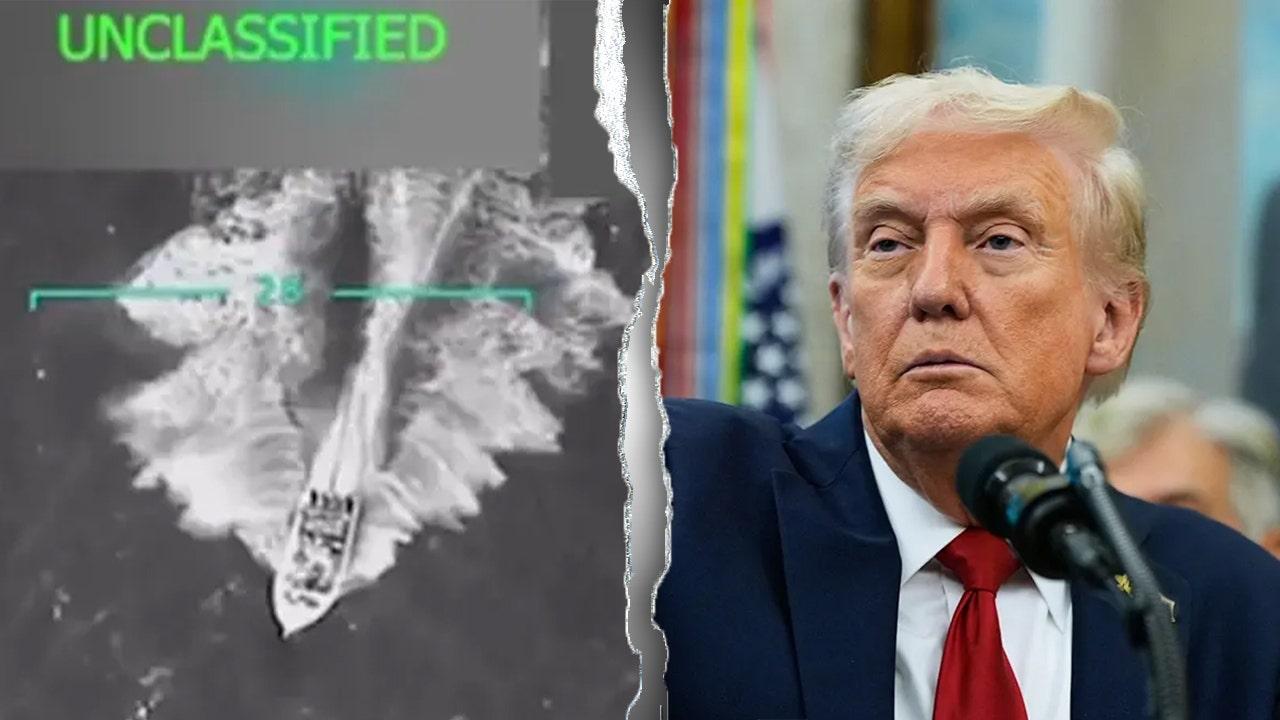
US military conducted multiple strikes on suspected drug vessels near Venezuela, killing 27 people. Trump authorized covert CIA operations and is considering land-based military strikes in Venezuela.

32 outlets told this the same way.
Outlets did split on Alexandre de Moraes Orders Eduardo Bolsonaro Arrest, Cancels Passport, Enforces Four-Year Sentence →
US Military Activity Near Venezuela
The United States has visibly escalated its military posture near Venezuela, with long-range B-52 flights and a sizable deployment across the Caribbean. CNN reports that three US Air Force B-52 bombers flew off Venezuela’s coast for over four hours, at points entering the country’s flight information region and coming as close as 53 miles to La Orchila Island and 132 miles from the mainland. Western outlets detail a substantial force buildup: ABC says the US has deployed guided-missile destroyers, F-35s, a nuclear submarine, and about 6,500 troops.
“Three US Air Force B-52 bombers conducted a flight off the coast of Venezuela for over four hours on Wednesday.”
MercoPress cites a larger figure of 10,000 troops and confirms B-52 flights near Venezuelan waters. Miami Herald reports over 4,500 personnel, including Marines, Navy forces, a submarine, and F-35s in Puerto Rico.
Stars and Stripes also highlights the regional F-35 presence in Puerto Rico amid an expanded naval posture. Together, these accounts depict sustained aerial signaling with the B-52s alongside layered air-sea assets positioned close to Venezuela.
US Actions Against Venezuela
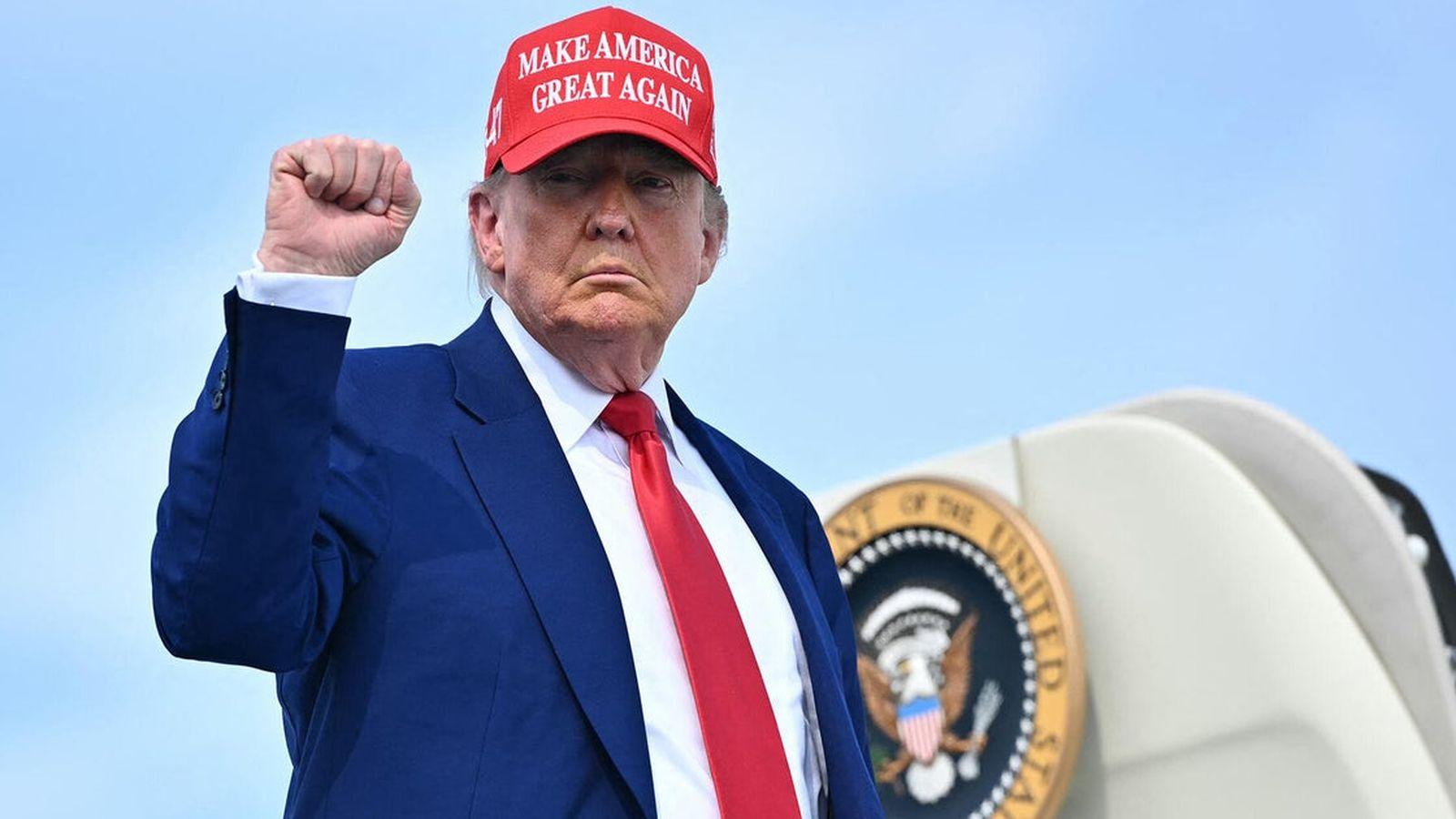
Washington’s stated rationale blends counternarcotics with covert pressure on Nicolás Maduro. ABC says President Trump confirmed authorizing CIA covert operations inside Venezuela and is considering land operations, describing a campaign against “Venezuelan narco-terrorist groups” like Tren de Aragua. PBS notes the Pentagon frames the mission as counternarcotics and counterterrorism even as a former US ambassador argues that publicizing CIA covert actions reveals “a true goal of regime change rather than counternarcotics.”
Kuwait Times reports Trump labeled Maduro’s government “narco-terrorist” and is mulling shifting strikes from naval to land-based actions. TheCommuneMag and Israel Hayom both report broad CIA authorization for potentially lethal operations aimed at Maduro’s government. MercoPress adds that at the UN, Venezuelan diplomat Moncada argued the attacks are about “power, not drug trafficking,” highlighting the contest over motives.
US Maritime Strikes Near Venezuela
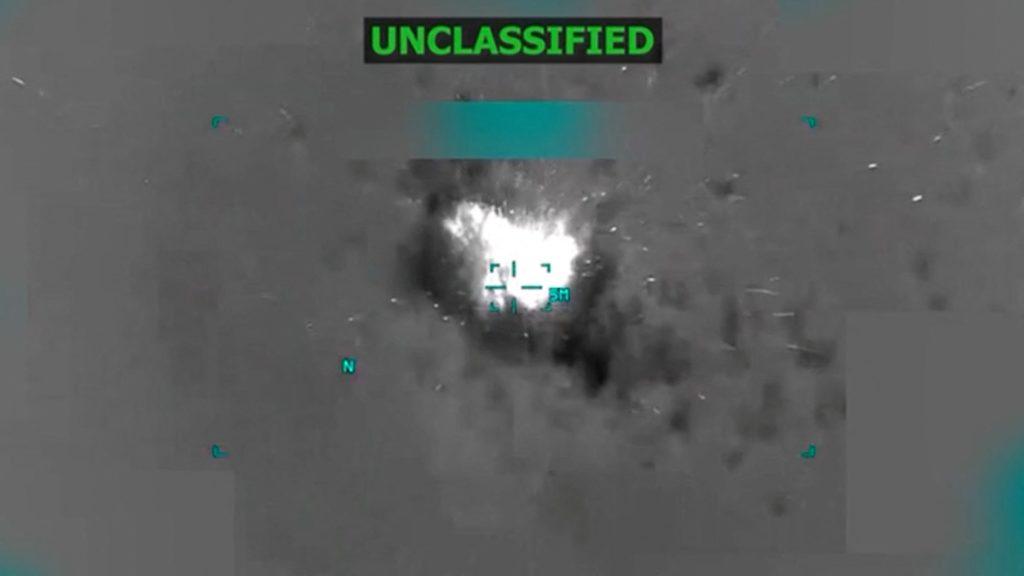
Parallel to the bomber flights, US forces have carried out repeated maritime strikes near Venezuelan waters, with conflicting accounts of their number and toll. The Guardian says the military “seized survivors” after a strike on a suspected narco-submarine, calling it the sixth attack since early September and the first with rescued survivors. Fox News likewise calls it the sixth strike and tallies “at least 28 deaths” since last month.
“The US military recently seized survivors from a strike on a suspected drug-carrying narco-submarine in the Caribbean, marking the first time survivors have been reported in such attacks since President Trump began targeting these vessels last month.”
Tampa Free Press reports “about 27 deaths” from similar strikes in two months and says detainees are treated as “prisoners of war” in an “armed conflict with narcoterrorist groups.” TRT World and Indeksonline put the death toll at “at least 27,” noting no public evidence linking victims to drug trafficking.
Kuwait Times reports the deaths drew “regional criticism over their legality and morality.” PBS adds a narrower count—“five strikes since early September”—underscoring the unsettled nature of official reporting.
Venezuela Military Buildup Amid Tensions
Caracas and the region are preparing for escalation as Washington considers land options. TRT World reports that Venezuela deployed 17,000 troops along the Colombia border and strengthened coastal defenses. Букви states that Maduro mobilized troops and militias under the “Independence 200” campaign, although experts question his claims of “millions of reservists.”
Israel Hayom notes that Maduro condemned US actions as coup attempts, initiated military exercises, and mobilized forces to protect key areas. Al Jazeera adds that there were warnings against US aggression and a broader militia mobilization.

The Miami Herald highlights Defense Minister Vladimir Padrino's accusation that the US is using “false drug trafficking claims” to justify regime-change efforts. Padrino emphasized that the government views the military buildup as an existential threat.
US Political and Military Challenges
Inside the United States, legal and political obstacles are complicating any shift from air-sea pressure to land operations.
“A bipartisan group of senators, including Tim Kaine, Adam Schiff, and Rand Paul, is pushing a resolution to block President Trump from engaging in military hostilities against Venezuela without explicit congressional approval.”
Stars and Stripes reports a bipartisan effort—led by Kaine, Schiff, and Paul—to block hostilities without explicit congressional approval.
The report notes the presence of 10,000 troops nearby and the sudden resignation of Adm. Alvin Holsey, which lawmakers say increases escalation risks.
The Guardian states that most Senate Republicans supported a war-powers resolution requiring approval for further strikes.
PBS features former Ambassador John Feeley criticizing public discussions of covert action as “amateurish and counterproductive.”
ABC and Al Jazeera emphasize the legality and potential violations of international law involved.
CBC highlights turmoil inside the Pentagon, including Holsey’s early departure and the unexpected transfer of counter-narcotics leadership away from Southern Command.