USA03 November, 20253 min read
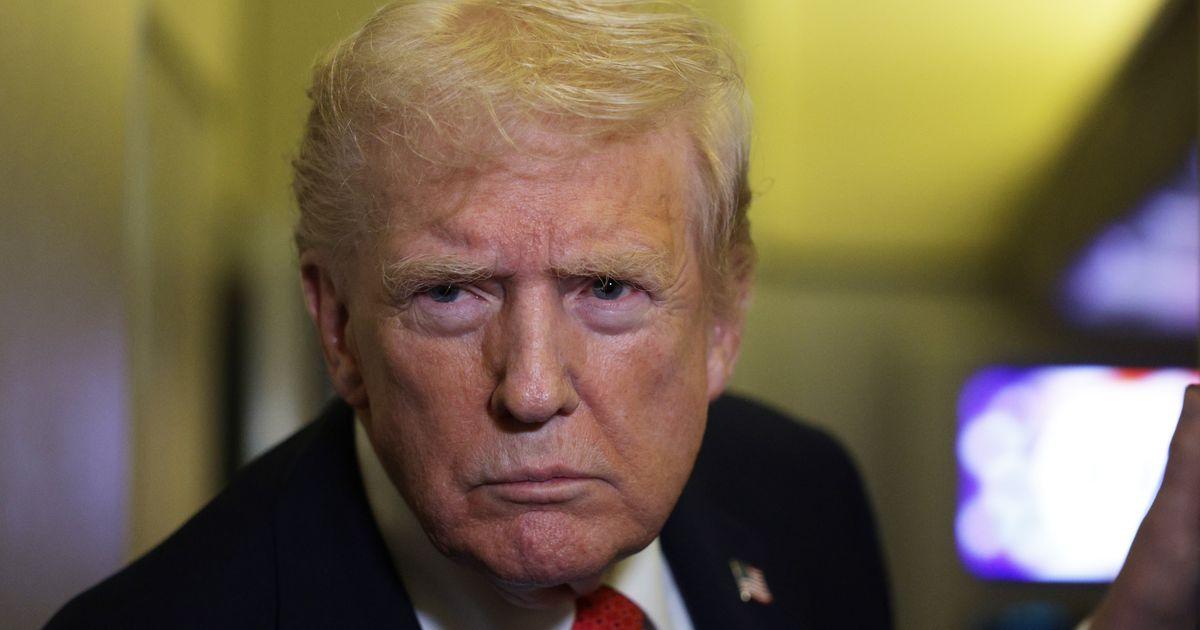
Trump Deploys Military and Threatens Latin America to Reimpose U.S. Imperialism
This article is an automated aggregation of coverage from news outlets. Our editorials offer in-depth analysis curated by the NewsCord team.
Trump administration plans covert deployment of US troops and CIA agents into Mexico against cartels US designated six Mexican cartels and related gangs as foreign terrorist organizations enabling military action
16 outlets told this the same way.
Outlets did split on Trump Interrupted by Protesters at San Antonio Rally for Ken Paxton →
Trump-Era Western Hemisphere Policy
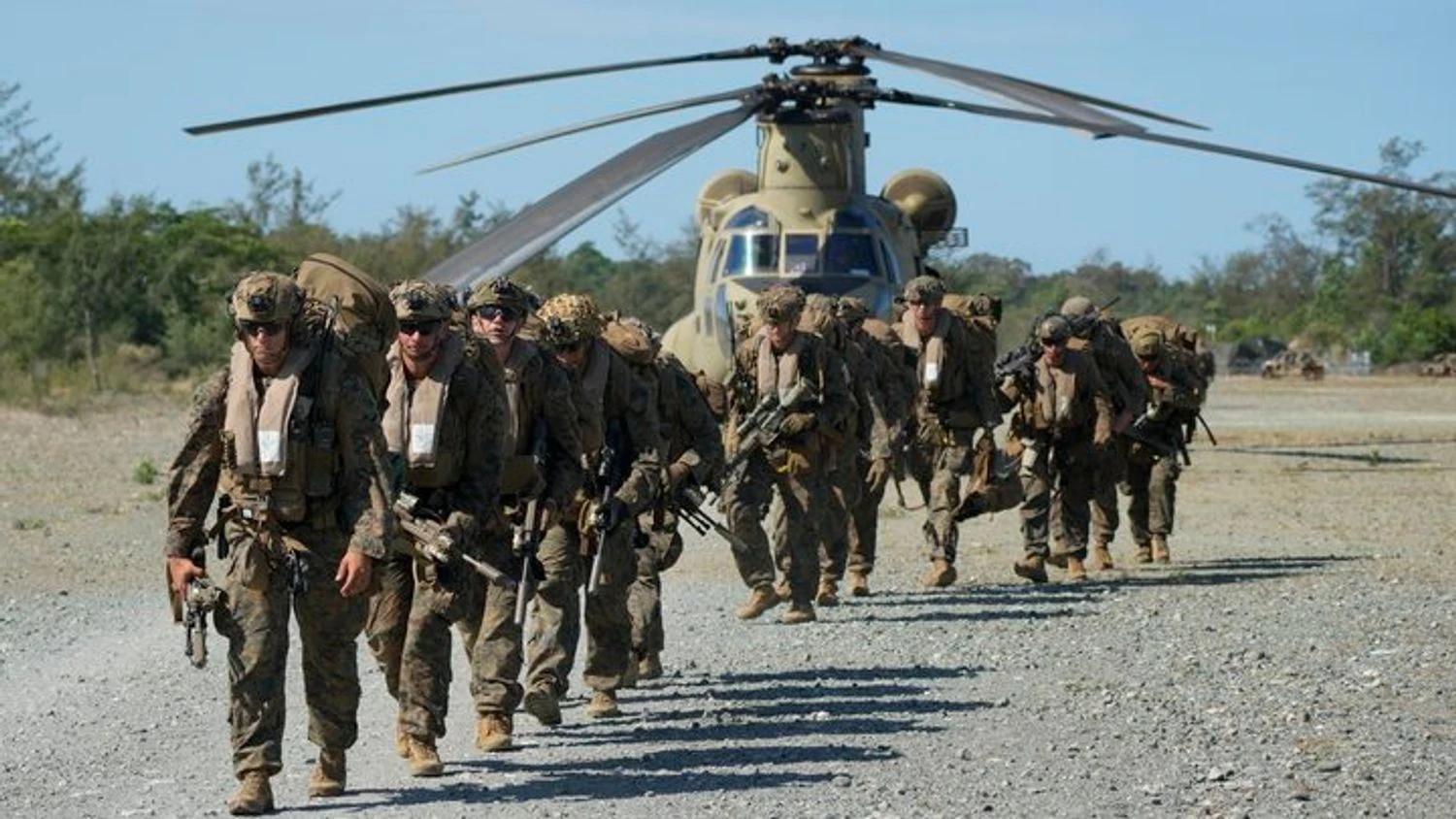
Across multiple outlets, Trump-era policy in the Western Hemisphere is depicted as a rapid escalation that blends terrorism designations, covert deployments, and visible military muscle. El Mundo portrays an “aggressive and fast-moving geopolitical strategy” to assert dominance over the Americas, from tariffs and annexation threats to renaming regions and massing naval power in the Caribbean. The stated aim of this strategy is to expel Russian and Chinese influence.
“The article describes an aggressive and fast-moving geopolitical strategy aimed at asserting dominance over the Americas.”
Mainstream U.S. reporting focuses on the cartels-as–national-security-threat rationale and a broader anti-cartel campaign. Asian outlets underline stepped-up strikes in the Caribbean and the political pressure on Venezuela.

Together, the coverage describes a mix of legal authorities, via Foreign Terrorist Organization designations, secret planning, and public shows of force. Latin American governments and critics say these actions amount to threats to sovereignty.
U.S. Operations Against Mexican Cartels
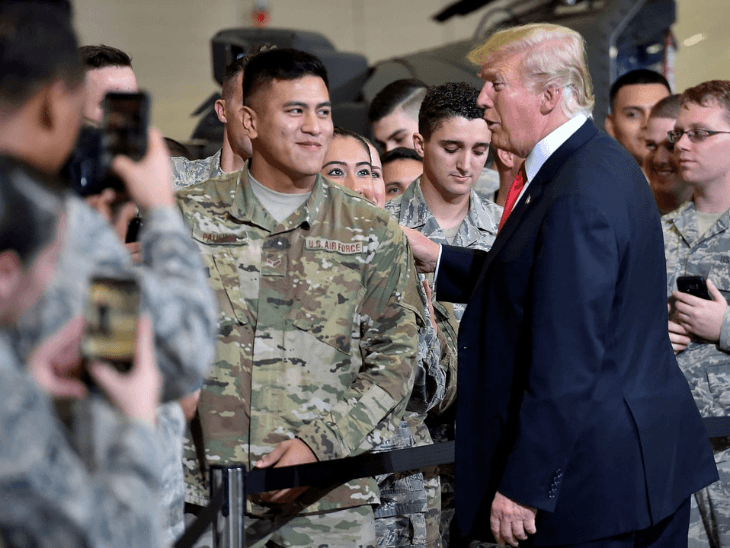
Mexico is the centerpiece of a covert operation. NBC News and Newsweek report a secret mission involving Joint Special Operations Command troops and CIA officers targeting Mexican cartels. The mission includes drone strikes on labs and cartel leaders under newly expanded authorities following foreign terrorist organization designations.
Tabloids like The Mirror and Daily Express claim initial training is underway and that the plan would permit direct strikes. These sources emphasize that no formal orders have been given yet and the scope of the operation remains undecided.
Both mainstream and tabloid reports agree that Mexico’s President Claudia Sheinbaum opposes any U.S. incursion. However, Newsweek adds that she is cooperating through increased CIA surveillance and anti-drug efforts.
U.S. Actions and Venezuela Tensions
At sea and around Venezuela, reporting converges on intensified U.S. strikes against vessels linked to trafficking. These actions are accompanied by sharp political signaling toward Nicolás Maduro. Asian outlets report that the Caribbean strikes have drawn regional criticism.
“The US has intensified military strikes against drug-trafficking vessels in the Caribbean, drawing criticism from the region.”
La Voce di New York states that 64 alleged Tren de Aragua members have been killed in Venezuelan waters since September, though no public evidence has been provided. Former President Trump’s rhetoric, as reported by multiple sources, downplays the likelihood of a full-scale war but predicts Maduro’s downfall. In response, Maduro accuses Washington of using counternarcotics efforts as a pretext for regime change and control of oil resources.
Western Hemisphere Military Actions
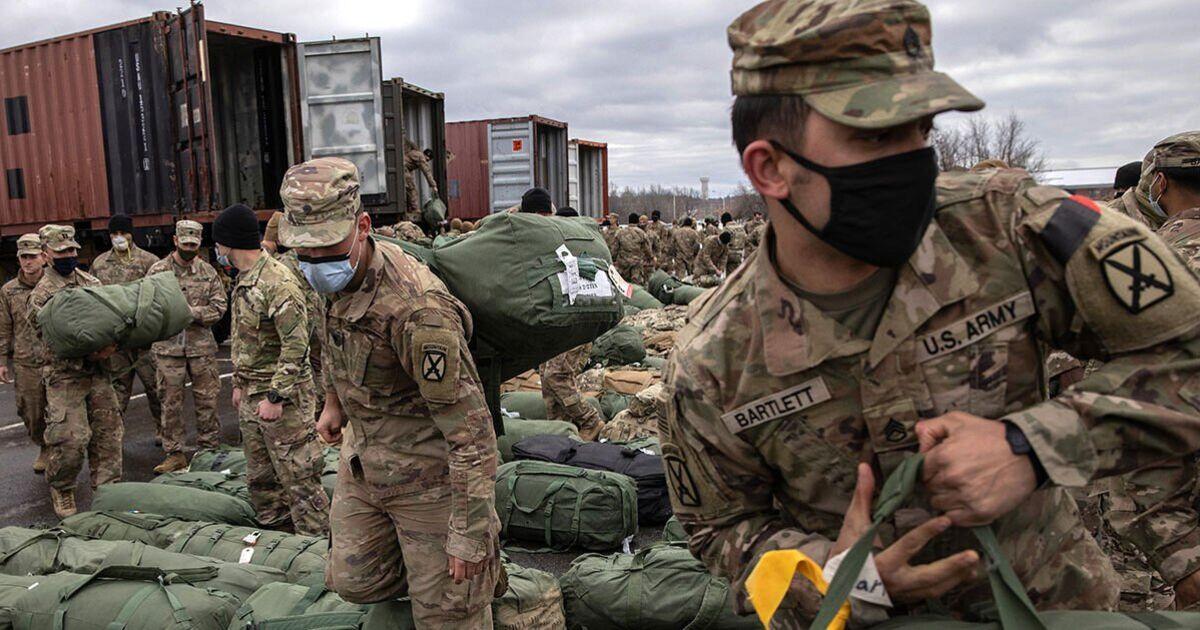
Several outlets tie these moves into a larger theater-wide push. El Mundo describes military deployments including an aircraft carrier, ships, a nuclear submarine, and aircraft. These deployments are accompanied by pressure campaigns across Venezuela, Colombia, Mexico, and Brazil.
There is also support to allied governments in Argentina and El Salvador. Additionally, there is an effort involving the renaming of the Gulf of Mexico. U.S. reporting connects the Mexico operation and Venezuelan strikes into a single Western Hemisphere campaign against cartels.
Newsweek and NBC News note this coordinated campaign. Tabloid and alternative sources add that covert actions in Venezuela are already authorized. Washington is calibrating how aggressive the Mexico phase should be to avoid undermining Mexico’s government.
Controversies Over U.S. Operations in Mexico
The project’s legality, diplomacy, and ethics remain uncertain and contested. Newsweek notes U.S. lawmakers’ concerns over the legality and diplomatic risks of land operations in Mexico. The Mirror and La Voce di New York report Mexico’s President Claudia Sheinbaum opposes any U.S. military presence, favoring cooperation without submission.
“Mexican President Claudia Sheinbaum opposes any U.S. military presence, favoring cooperation without intervention.”
Asian reporting says experts condemn recent maritime killings as extrajudicial. La Voce di New York underscores the lack of publicly released evidence for reported casualties. These gaps — from unsettled rules of engagement to contested casualty claims — illustrate how the escalation is proceeding amid disputes over sovereignty and human rights.