South America28 October, 20253 min read
Trump Deploys Strategic Bombers Near Venezuela After CIA-Backed False Flag Plot Foiled
Venezuela dismantled a CIA-backed cell planning a false-flag attack on USS Gravely. The US deployed strategic bombers and warships near Venezuela to combat drug trafficking.
19 outlets told this the same way.
Outlets did split on Alexandre de Moraes Orders Eduardo Bolsonaro Arrest, Cancels Passport, Enforces Four-Year Sentence →
US-Venezuela Military Tensions
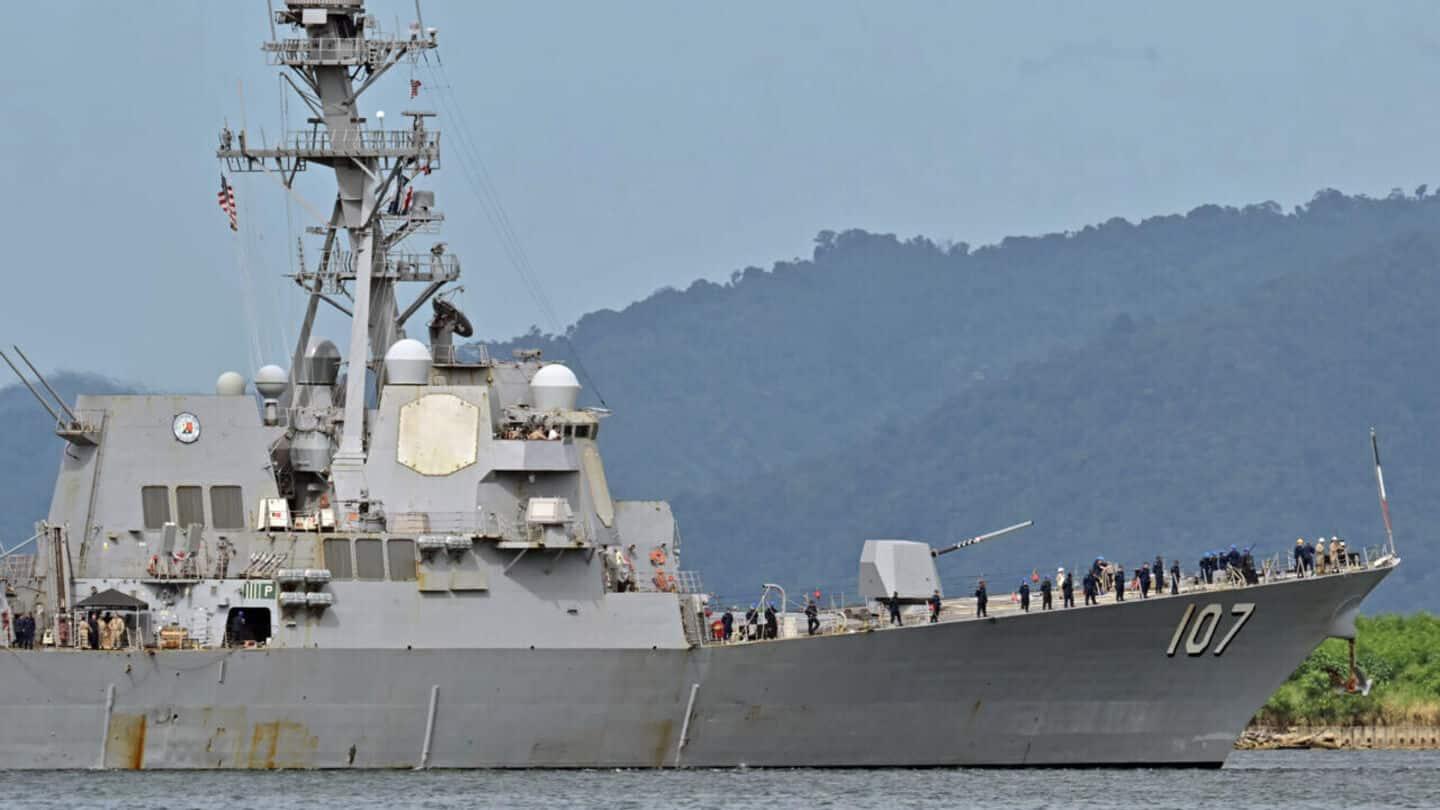
Tensions spiked after Venezuelan authorities said they dismantled a CIA-backed cell that planned a false-flag attack on the U.S. destroyer USS Gravely, leading to multiple arrests.
“Venezuela announced it dismantled a CIA-backed cell planning a false-flag attack on the U.S. warship USS Gravely... Venezuelan authorities arrested four individuals allegedly involved.”
This event prompted a rapid U.S. military show of force that included strategic bomber missions near Venezuela and naval deployments framed as anti-narcotics operations.

Venezuelan President Nicolás Maduro denied U.S. drug-trafficking accusations and retaliated by suspending energy and gas agreements with Trinidad and Tobago over its cooperation with the U.S. Navy presence.
Caracas condemned the U.S. Navy presence as a provocation.
Washington, under then-President Donald Trump, increased its Caribbean posture as part of a campaign it said was targeting narcotics trafficking.
Meanwhile, Venezuela alleged the deployments aimed to destabilize Maduro’s government and escalate conflict in the region.
U.S. Military Actions Near Venezuela
Washington’s military escalation included high-profile bomber sorties and the largest U.S. Caribbean presence since the mid-1990s.
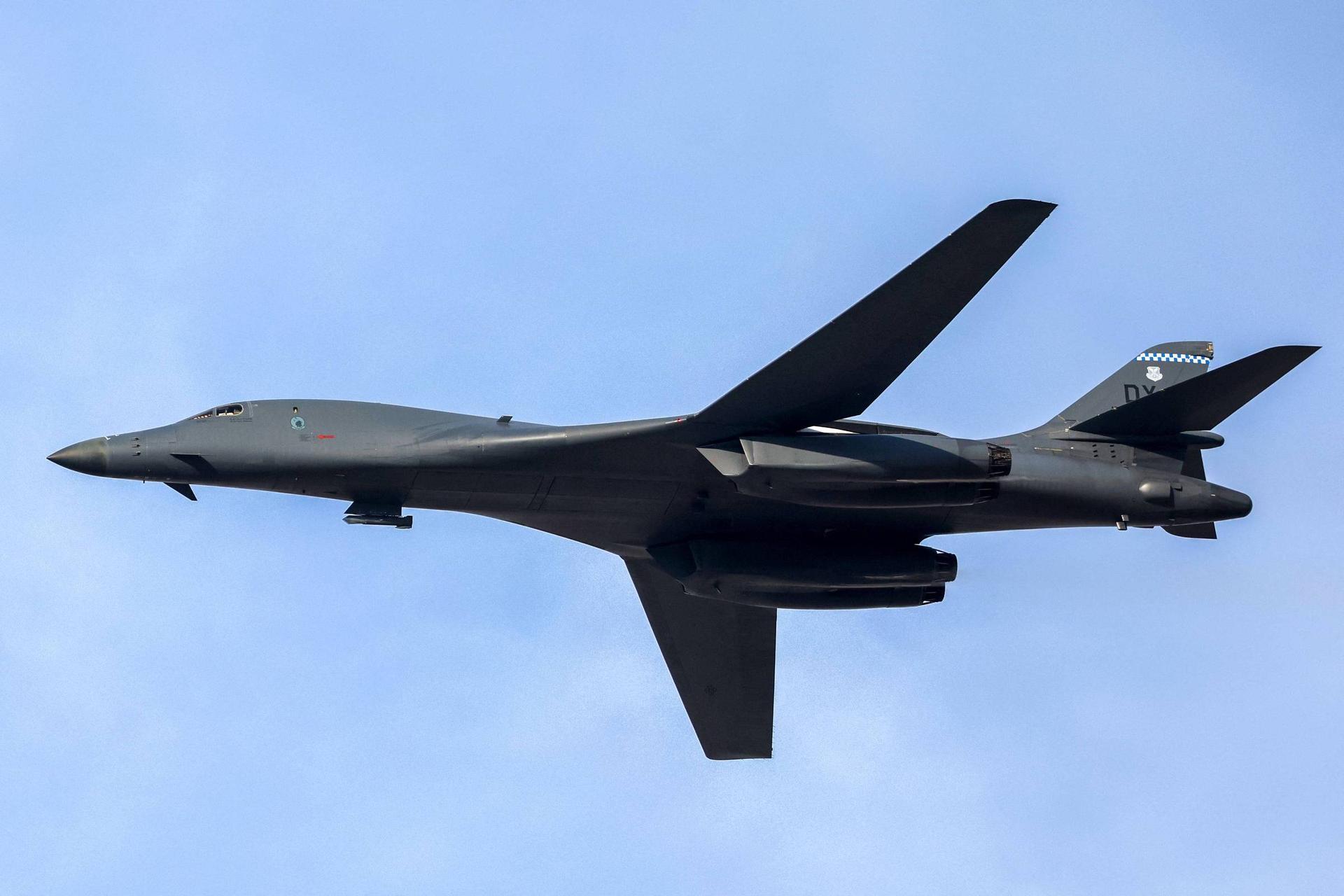
Latin American outlet Folha de S.Paulo describes two B-1B bombers flying a 14-hour mission near Venezuelan airspace, the third such operation in two weeks, alongside earlier B-52 and F-35 flights.

The report also notes the arrival of the USS Gerald R. Ford and secret CIA missions authorized to destabilize Maduro.
O POVO+ details an expansive build-up including a carrier, destroyers like USS Gravely, F-35Bs, MQ-9 drones, a nuclear submarine, special operations assets, and 4,500 Marines.
This build-up amounts to 8% of the U.S. global warship fleet and even mentions B-52 positioning and a B-1B sighting that Trump denied.
Asian coverage from NewsBytes ties the flights to Trump’s authorization of CIA operations and potential ground strikes.
TFIGlobal and UNB frame the deployments within an intensified anti-narcotics campaign and deepening distrust spurred by sanctions.
Contested U.S. Maritime Operations
Washington cites narcotics interdiction as the reason for its maritime operations. Several sources detail lethal maritime raids and dispute the legality of these actions. Venezuelan and West Asian outlets portray the military build-up as a cover for regime change and resource seizure.
“Since September, US forces have destroyed at least 10 boats suspected of narcotics trafficking in international waters, killing 43 people, though the legality and evidence of these actions remain disputed.”
The Straits Times reports that U.S. forces destroyed at least 10 suspected drug boats since September, killing 43 people, though legality and evidence remain disputed. This figure is echoed by ABC News and UNB. PressTV and Al Jazeera relay Maduro’s accusation that the U.S. aims to destabilize his government and seize oil and gas resources.
They describe the drug war as a pretext to overthrow Maduro. These parallel narratives—anti-drug enforcement versus unlawful aggression—explain why bomber flights and naval taskings are interpreted so differently across regions.
Venezuela-Trinidad Energy Tensions
Energy politics with Trinidad and Tobago intensify the standoff. Associated Press reports Venezuela condemned Trinidad’s cooperation with U.S. forces and suspended energy agreements. Trinidad’s leader defended joint exercises as routine and emphasized economic independence.
Al Jazeera details that, despite sanctions, the U.S. backed a Dragon gasfield license allowing Shell and Trinidad’s National Gas Company to proceed. The U.S. aims to block profits from reaching Maduro’s government.
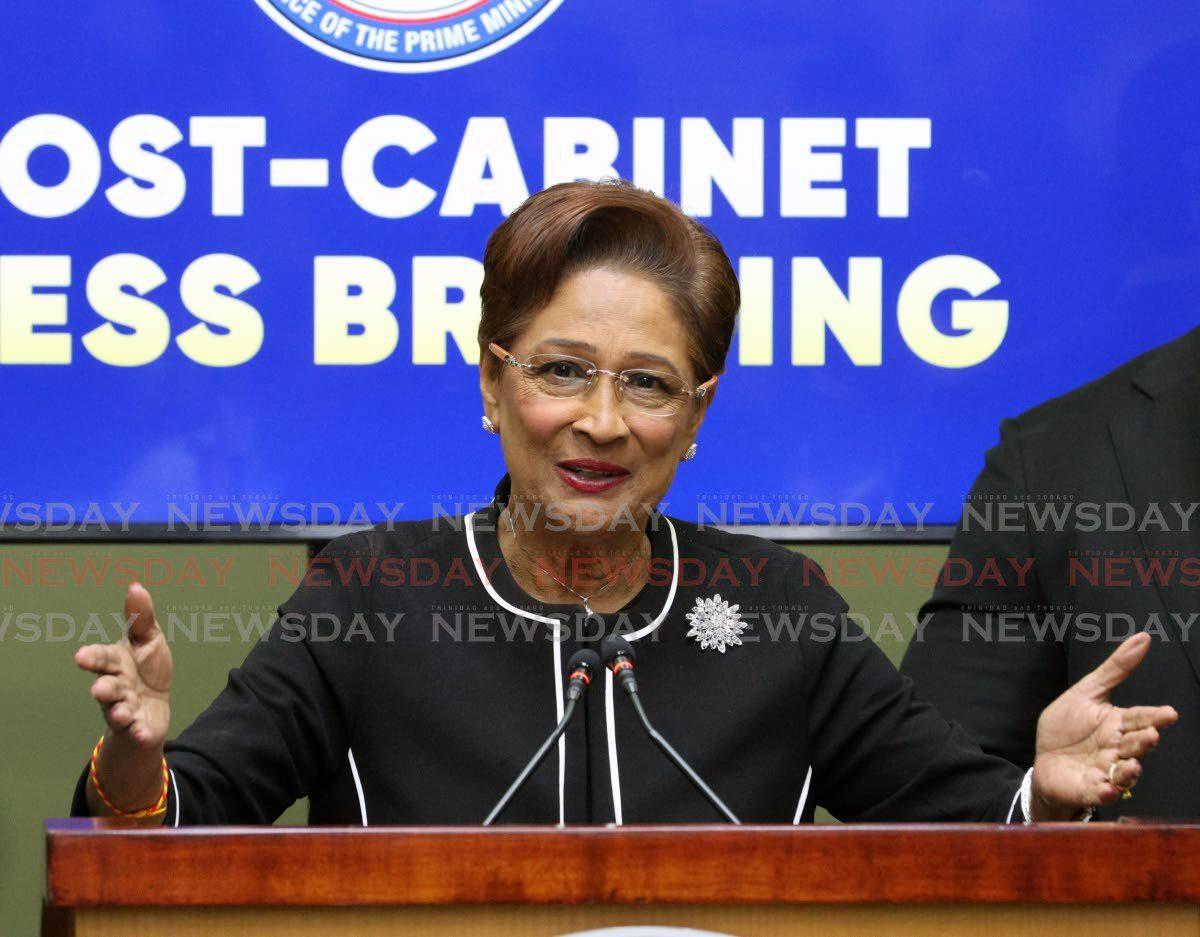
TRT World and The Straits Times describe Maduro’s suspension of gas deals and the impact on joint projects, including the Dragon field, after a U.S. warship’s visit. Breitbart adds that Caracas viewed the ship’s presence as a provocation and suspended a gas agreement as tensions spiked.
US-Venezuela Tensions and Risks
Analysts and regional outlets warn the standoff could trigger miscalculation as Washington’s pressure may aim to fracture Maduro’s inner circle while Venezuela displays anti-ship capabilities from Russia, China, and Iran. Folha de S.Paulo reports that analysts view U.S. pressure as intended to provoke an internal coup rather than an invasion, highlighting secret CIA missions and potential ground operations. Agenda do Poder similarly states that Trump authorized covert CIA operations to destabilize Maduro and suggests force could be used to foment a coup, while cautioning that Venezuela’s missile arsenals increase escalation risks.
“Analysts suggest the U.S. pressure might aim to provoke an internal coup... Trump has authorized secret CIA missions to destabilize Maduro and hinted at possible ground operations.”
NewsBytes and O POVO+ link bomber sorties and an 8% share of the U.S. global warship fleet in the region to possible ground strikes and the scale of the military build-up. TFIGlobal adds that sanctions and an alleged CIA plot contribute to deepening distrust between Washington and Caracas.