Full Analysis Summary
Trump Endorses Syrian Leader
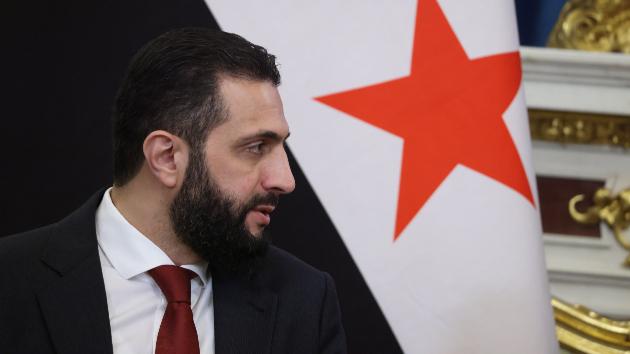
In a historic White House meeting, Donald Trump endorsed Syria’s Ahmed/Ahmad al‑Sharaa as a “strong leader.”
This endorsement framed a dramatic reset in U.S.–Syria relations after years of hostility.
Multiple outlets emphasize the meeting’s unprecedented nature, with several calling it the first visit by a Syrian leader since 1946.
They portray al‑Sharaa as a former militant whose rebel movement toppled Bashar al‑Assad before repositioning toward the West.
Reports note his removal from U.S. terrorism lists and the easing of some sanctions.
Coverage ranges from celebratory to cautious about the risks of partnering with a figure with an extremist past.
Coverage Differences
tone
New York Post (Western Mainstream) highlights Trump’s praise, quoting him calling al‑Sharaa a “strong leader,” with a focus on optimism and investment ties, while The Telegraph (Western Mainstream) presents a wary assessment of a “risky but potentially valuable ally.” Al Jazeera (West Asian) characterizes the engagement as a “discreet” step and a “cautious thaw,” emphasizing continued skepticism and ongoing Israeli military actions in Syria. France 24 (Western Mainstream) focuses on the historic nature of the visit without the celebratory tone of the New York Post, underscoring the formal significance of welcoming Syria into the coalition against ISIS.
narrative
CBS News (Western Mainstream) and France 24 (Western Mainstream) frame the meeting as a major shift and link it to Syria’s bid to join the anti-ISIS coalition, while NBC News (Western Mainstream) adds that the meeting signals increased U.S. trust and broader stabilization hopes. South China Morning Post (Asian) ties Trump’s praise to a wider regional peace effort and the ceasefire context, stressing al‑Sharaa’s transition from militant to statesman.
Sanctions Policy Developments
Sanctions policy emerged as a flashpoint in coverage.
Multiple outlets say Washington issued a 180-day waiver that suspends key Caesar Act sanctions.
One report claims far broader steps, including a repeal.
Others add limiting conditions excluding dealings with Russia and Iran.
The overall picture is a temporary easing to enable diplomatic and counterterrorism cooperation.
There is substantial debate over any permanent repeal.
Coverage Differences
contradiction
Los Angeles Times (Western Mainstream), Al Jazeera (West Asian), and AL‑Monitor (Western Alternative) report a time‑limited waiver or extension of Caesar Act relief, while NBC News (Western Mainstream) asserts a sweeping rollback including “repeal of the Caesar Act” and removal from the state sponsors of terrorism list. abcnews.go (Other) specifies the waiver excludes Russia and Iran, and Breitbart (Western Mainstream) adds Trump suspended many sanctions by executive order, highlighting divergent descriptions of scope and mechanism.
missed information
Some outlets highlight political resistance and legislative hurdles, while others omit it. AL‑Monitor (Western Alternative) notes opposition in Congress to full repeal; abcnews.go (Other) says permanent removal requires Congressional approval; Breitbart (Western Mainstream) reports lawmakers opposing easing sanctions. NBC News (Western Mainstream) does not mention these hurdles in its depiction of sweeping rollbacks.
Syria-US Counterterrorism Partnership
Counterterrorism cooperation is a key focus highlighted during the meeting.
Several sources report that Syria plans to join, or has joined, the U.S.-led coalition against ISIS.
Other sources suggest that an agreement is expected, which will prioritize intelligence sharing rather than direct combat involvement.
A smaller portion of coverage describes a deeper military alignment, including the possibility of a U.S. presence in Damascus.
These differing reports reflect varying assessments of the extent of the partnership.
Coverage Differences
contradiction
Heraldo USA (Other) reports the meeting “resulted in Syria joining the international coalition against ISIS,” while CBS News (Western Mainstream) says Syria “plans to join” and Al Jazeera (West Asian) says Syria “may also join,” indicating varying levels of certainty. AL‑Monitor (Western Alternative) expects a deal focused on intelligence sharing rather than direct military involvement, whereas news.antiwar (Other) goes further, reporting a U.S. military alliance with Damascus and a planned presence in the capital.
US Role in Israel-Syria Relations
Coverage diverges on Israel-related security steps and broader regional aims.
Some mainstream and alternative outlets say Washington is supporting a Syria–Israel security arrangement, which is variously framed as normalization under the Abraham Accords or a formal pact.
West Asian and alternative sources add claims of a prospective U.S. base near Damascus to oversee such arrangements.
Others cast the rapprochement as part of a strategy to curb Iranian and Russian influence, reflecting different strategic lenses on the same outreach.
Coverage Differences
narrative
NBC News (Western Mainstream) frames the policy as potential U.S. support for Syria to normalize under the Abraham Accords, while AL‑Monitor (Western Alternative) emphasizes a security pact with Israel. Al Jazeera (West Asian) stresses al‑Sharaa’s openness to a deal aimed at ending Israeli military presence in Syrian territories, highlighting a different priority. Washington Examiner (Western Alternative) and The Telegraph (Western Mainstream) focus on curbing Iranian, Russian and Hezbollah influence as part of the reset.
missed information
Arab News PK (West Asian) and news.antiwar (Other) report intentions to open or establish a U.S. military base/presence near Damascus to coordinate and monitor Syria–Israel developments; this detail does not appear in NBC News (Western Mainstream) or France 24 (Western Mainstream), which focus on diplomatic milestones and coalition participation instead.
Challenges and Diplomacy in Syria
Amid the outreach, reports underscore serious challenges for al‑Sharaa at home and regionally.
Some highlight ongoing security threats and counter-ISIS operations, including claims of more than 70 detentions of suspected IS members and assassination attempts.
Others emphasize internal ethnic and political strains and contested narratives at the UN.
Coverage also splits on Syria’s emerging diplomatic role—from facilitating a fragile Israel-Hamas ceasefire to condemning Israeli strikes that allegedly hinder normalization.
This shows how outlets prioritize different risks and opportunities in the reset.
Coverage Differences
contradiction
Daily Express US (Western Tabloid) reports the UN Security Council “lifted sanctions on President Bashar al-Assad and his officials,” a claim not echoed by mainstream or regional outlets focused on U.S. sanctions waivers and debates. Enab Baladi (Other) and NBC News (Western Mainstream) instead highlight continuing external pressures and Israeli strikes hindering normalization, contradicting a narrative of comprehensive sanctions relief.
narrative
CBS News (Western Mainstream) and Hindustan Times (Asian) foreground counterterrorism actions—“detained over 70 alleged ISIS members” and “arrested over 70 suspected IS members”—whereas South China Morning Post (Asian) and Enab Baladi (Other) stress diplomacy, including Syria’s role in a fragile Gaza ceasefire and UN advances like a chemical weapons disarmament resolution. This contrasts immediate security operations with longer‑term diplomatic positioning.