Ukraine War19 November, 20254 min read
Trump Envoys Arrive in Ukraine to Force Zelensky to Cede Donbas to Putin and Slash Ukraine's Military
Senior U.S. military delegation, led by Army Secretary Dan Driscoll, visited Kyiv. A reported 28-point U.S.-backed draft would force Ukraine to cede territory and sharply reduce forces.

16 outlets told this the same way.
Outlets did split on Russian Attack Kills At Least 33 On Two Buses In Kramatorsk →
Contested U.S. peace proposal
Donald Trump's envoys have arrived in Kyiv to present a secretly drafted 28-point peace proposal. Multiple outlets say the proposal would force sweeping concessions from Ukraine. Reported concessions include ceding the Donbas to Moscow and sharply cutting the size of Ukraine's military.
“Donald Trump’s officials have flown to Ukraine to push a secretly drafted 28‑point peace proposal that sources say is ‘heavily tilted’ toward Vladimir Putin.”
Tabloid reporting frames the mission as an assertive U.S. push. The Daily Mail reports that Trump's officials flew to Ukraine to push a secretly drafted 28-point proposal that sources say is 'heavily tilted' toward Vladimir Putin. The US Sun describes a 'Witkoff-Dmitriev peace blueprint' presented during a purported fact-finding visit that would force heavy concessions from Ukraine.
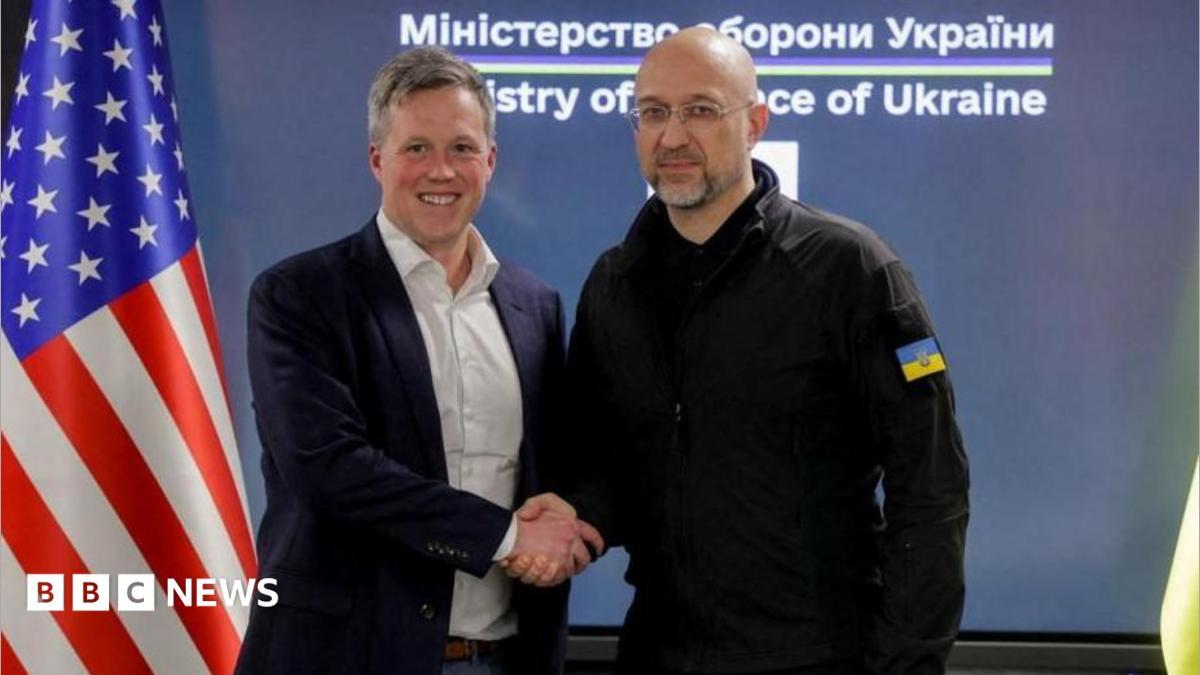
Kyiv-based outlets and mainstream wires give similar accounts of the plan. The Kyiv Independent says Washington circulated a U.S. framework for ending the war that would require Ukraine to cede territory, surrender certain weapons systems and reduce the size of its army. The Kyiv Post, citing Reuters and the Financial Times, reports the plan would 'sharply cut' Ukraine's armed forces, with some reports saying by about half.
Proposed peace terms for Ukraine
Reports outline severe terms for a proposed framework that would halve Ukraine's armed forces, ban long-range weapons and foreign troops, leave occupied regions legally Ukrainian while stripping Kyiv of control, and include political concessions such as making Russian an official language and granting the Russian Orthodox Church formal status in occupied areas. The Daily Mail described a package that would require Ukraine to cede the rest of the Donbas to Moscow, halve the size of its military, abandon key categories of armaments, and roll back vital U.S. military assistance. A leaked 28-point summary reported by The US Sun similarly said the deal would halve Ukraine's military, ban long-range missiles and foreign troops, end U.S. military aid, make Russian an official language, and grant the Russian Orthodox Church formal status in occupied areas.
France 24 and AFP reported variants that would compel recognition of Russian control of Crimea, reduce Ukraine's armed forces to about 400,000, and force Ukraine to give up all long-range weapons. Kyiv's officials said these proposals were close to capitulation.

Reactions to proposed plan
Ukrainian and Western reactions are sharply critical or cautious. Kyiv officials say they had 'no role' in drafting the proposals and rejected them, according to The US Sun. The Kyiv Independent reports Ukrainian officials reacted 'coolly,' saying the package moves toward demands long associated with Moscow.
“Ukrainian officials say Kyiv had ‘no role’ in drafting the proposals and rejected the plan; sources say the White House signaled Zelensky would have to accept the framework.”
European diplomats and critics warn the plan could freeze the war on Moscow's terms and split Western unity. U.S. officials have largely declined to comment, and LBC reports the initiative was crafted with 'little input from European allies or Kyiv.'
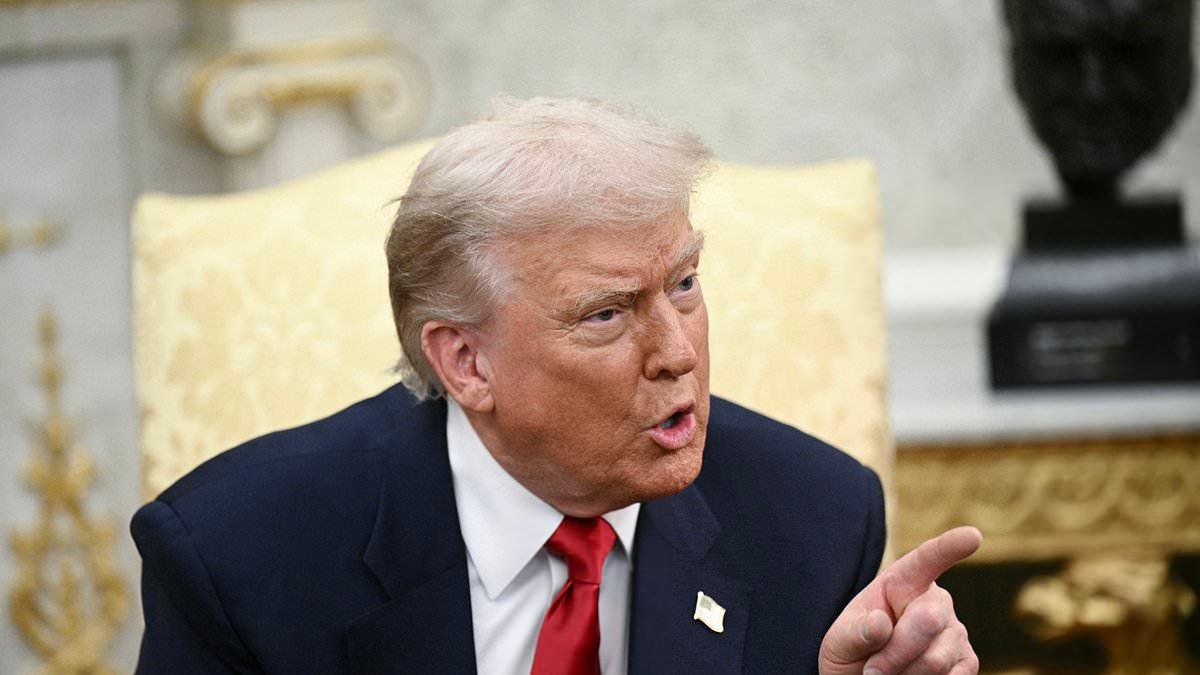
Months of pressure produced tense encounters between Trump and Zelensky, including an alleged row in Washington where Trump used Russian terminology calling the conflict a 'special operation' and 'not even a war.' France 24 records Ukrainian leaders and the UN rights chief condemning recent deadly strikes as evidence of Russia's intentions amid negotiations.
Opaque peace-plan diplomacy
Reporting highlights unofficial diplomacy and opaque channels behind the plan. Sky News reports a deleted X post by Trump's special envoy Steve Witkoff exposed a back-channel and linked Witkoff to Kirill Dmitriev, describing the pair as quietly advancing a peace plan. Sky also tied that scoop to earlier reporting that U.S. discussions contemplated Ukraine ceding territory it still controls.
LBC and the Daily Mail add that the proposal appears to have been negotiated by American and Russian officials without Ukraine at the table, fueling criticism that Kyiv has been sidelined. These accounts portray a mix of formal U.S. delegations and informal intermediaries operating in parallel.
Controversy over peace plan
Analysts and diplomats warn the initiative risks freezing the war on terms favorable to Moscow, undermining Western unity and removing deterrents that have protected Ukraine. This narrative is stressed by European diplomats, critics in The US Sun, and by Kyiv sources. France 24 records Ukrainian officials describing the plan as echoing Russia's "maximalist demands."
“European diplomats and critics argue the plan effectively freezes the war on Moscow’s terms, cements Russian gains, weakens Ukraine, and could split Western unity while allowing Russia to avoid further sanctions.”
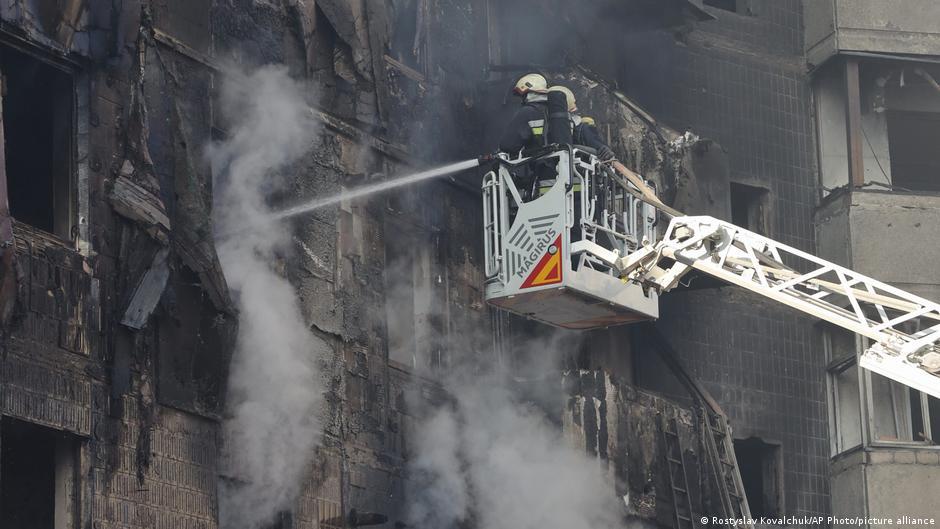
France 24 also notes a deadly Russian strike on Ternopil that Ukrainian leaders and the UN rights chief used to underscore the stakes. The paper records that sanctions and economic pressure are still seen by some as tools to push Moscow back to the table.
Outlets differ on whether this approach is a pragmatic push for compromise or a dangerous capitulation. Tabloids portray it as tilted toward Putin, Kyiv outlets call it unacceptable, and some U.S. reporting frames it as a U.S.-driven effort to produce a "reasonable" offer regardless of European input.