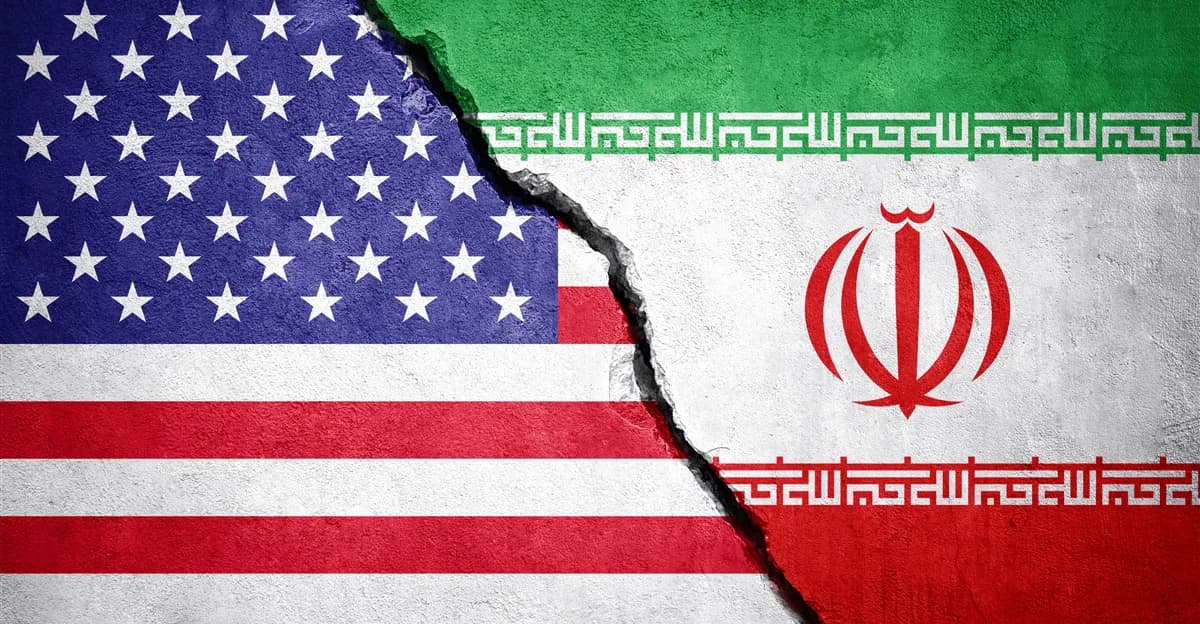
Trump Extends Five-Day Hormuz Deadline, Threatens Attacks on Iran
Key Takeaways
- Trump extends Strait of Hormuz deadline by five days and pauses strikes on Iran's infrastructure.
- Trump cites productive talks; Tehran denies any direct or indirect negotiations.
- Oil prices fall and equities rise as de-escalation pause takes effect.
Trump's Deadline Extension
President Donald Trump extended his deadline for Iran to reopen the Strait of Hormuz by five days on Monday, March 23, 2026, claiming the U.S. and Iran had held "very good and productive conversations" that could yield a "complete and total resolution" to the Middle East conflict.
“AP writers Charlotte Graham-McLay in Wellington, New Zealand, Sally Abou AlJoud and Bassem Mroue in Beirut, and Tong-hyung Kim in Seoul, South Korea, contributed to this report”
In an all-caps post on Truth Social, Trump announced he had instructed the military to "postpone any and all military strikes against Iranian power plants and energy infrastructure for a five day period," with the pause contingent on "the success of the ongoing meetings and discussions."
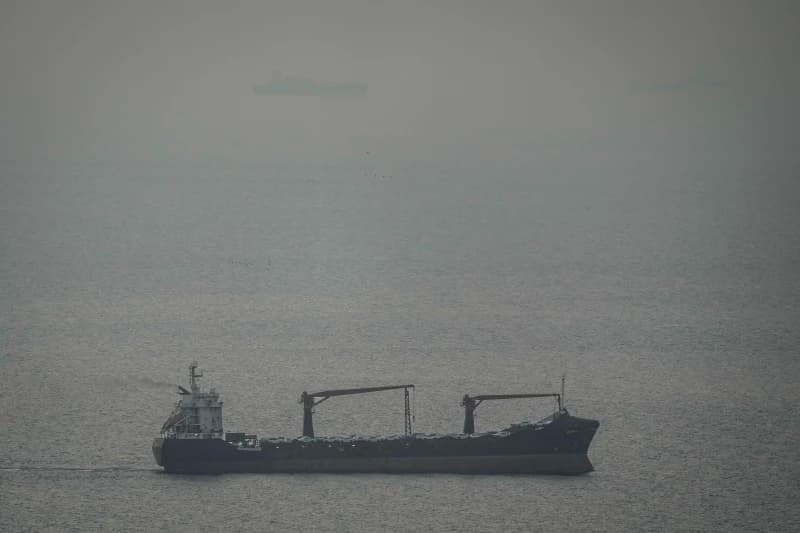
The announcement came just hours before Trump's self-imposed deadline was set to expire, offering a temporary reprieve after days of escalating rhetoric between Washington and Tehran.
Trump later told reporters that his administration had been negotiating "for a long time" with Iran and that his envoys Steve Witkoff and Jared Kushner had held discussions with Iranian representatives on Sunday night, though he did not identify specific individuals on the Iranian side beyond referring to them as "respected" leaders.
Iran's Response
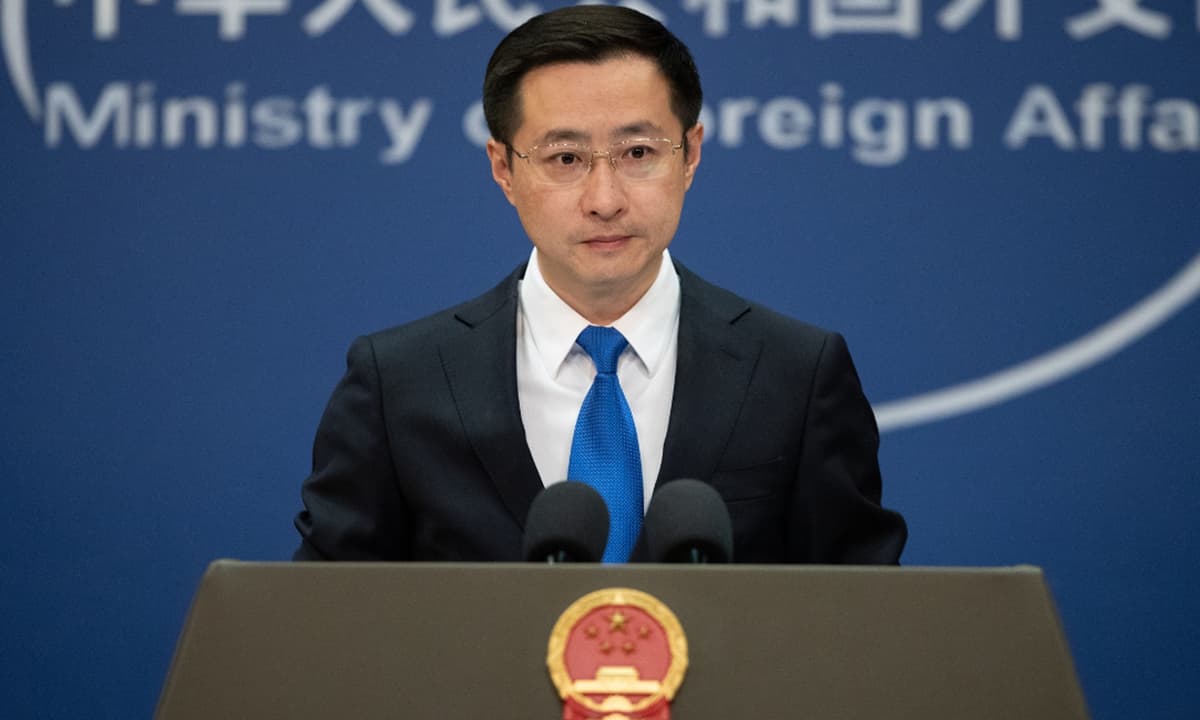
Iran flatly rejected Trump's claims of ongoing negotiations, with the Foreign Ministry asserting that "there are no talks between Tehran and Washington" and dismissing the U.S. president's statements as "part of efforts to reduce energy prices and buy time to implement his military plans."
Iranian state television portrayed Trump's move as a retreat, displaying a graphic that read "U.S. president backs down following Iran's firm warning," while semiofficial outlets like Fars and Tasnim news agencies claimed Trump had stepped back after realizing that Iran's threats of retaliation were credible.

A senior Iranian security official told Tasnim that "there is no direct or indirect contact with Trump" and that he retreated "after hearing that our targets will be all power plants in West Asia."
Iranian Foreign Minister Abbas Araghchi, who had acknowledged speaking by phone with his Turkish counterpart Hakan Fidan, maintained Iran's position that it "did not start the war" and that all de-escalation requests should be directed to Washington.
Market Reactions
Trump's announcement triggered immediate relief in global financial markets, with oil prices tumbling more than 7% from over $114 to below $99 per barrel as traders anticipated potential de-escalation.
Stock markets rallied sharply, with the S&P 500 futures jumping nearly 3% and Dow Jones futures gaining over 1,100 points, reversing earlier losses.
The International Energy Agency's Fatih Birol had warned earlier that the crisis was "now two oil crises and one gas crash put all together" and posed a "major, major threat" to the global economy, noting that oil supplies had been reduced by 11 million barrels per day - more than double the shortfall during the 1970s oil crises.
The closure of the Strait of Hormuz, through which a fifth of global oil shipments normally pass, had already caused energy prices to surge, with U.S. gasoline prices hitting $3.96 per gallon, nearly a dollar more than when the war began on February 28.
Military Situation
Despite the diplomatic signals, military operations continued unabated, with Israel launching new attacks on infrastructure targets in Tehran while Iranian forces continued missile and drone strikes across the region.
The United Arab Emirates reported its air defenses were attempting to intercept new incoming Iranian fire on Monday afternoon, and Iran's military remained defiant, warning that any attack on its power plants would trigger retaliation against U.S. bases and regional infrastructure, including desalination facilities critical for drinking water in Gulf nations.
U.S. Central Command commander Adm. Brad Cooper claimed the U.S. campaign was "ahead or on plan" and accused Iran of increasingly targeting civilians, stating they had "attacked civilian targets very deliberately, more than 300 times" in recent weeks.
The conflict has now entered its fourth week with more than 2,000 people killed, including over 1,200 in Iran, at least 1,000 in Lebanon, 15 in Israel, and 13 U.S. service members.
Diplomatic Efforts
Multiple nations were actively involved in de-escalation efforts, with Turkey's Foreign Minister Hakan Fidan speaking with counterparts from Qatar, Saudi Arabia, Pakistan, Egypt, and the European Union, as well as U.S. officials, as part of efforts to end the war.
Egyptian President Abdel-Fattah el-Sissi said Cairo had delivered "clear messages" to Iran focusing on de-escalation, while Oman's foreign minister stated his country was working to "secure safe passage through the Strait of Hormuz."
British Prime Minister Keir Starmer indicated the U.K. was aware of talks between Iran and the U.S., saying "we were aware that was happening," though he provided no further details.
A Gulf diplomat suggested Egypt and Turkey were leading de-escalation efforts and that they "managed to avert an energy catastrophe" that would have resulted if Trump had attacked Iranian energy facilities and Iran responded.
Meanwhile, Trump continued to assert that a deal was close, telling reporters there was a "very good chance" an agreement would be reached within the week.
More on Iran

Trump delays strikes on Iranian power plants for five days
73 sources compared

President Trump delays strikes on Iran power plants for five days amid conflicting reports.
41 sources compared
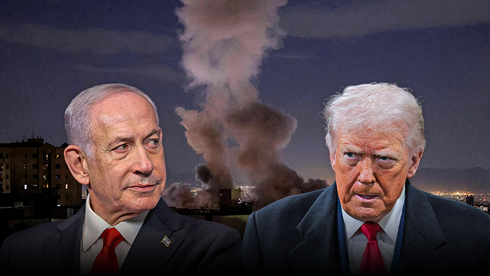
Trump Says U.S.-Iran Talks Ongoing as Iran Denies Negotiations.
10 sources compared
Trump Says Talks With Iran Ongoing; Iran Denies Negotiations.
15 sources compared