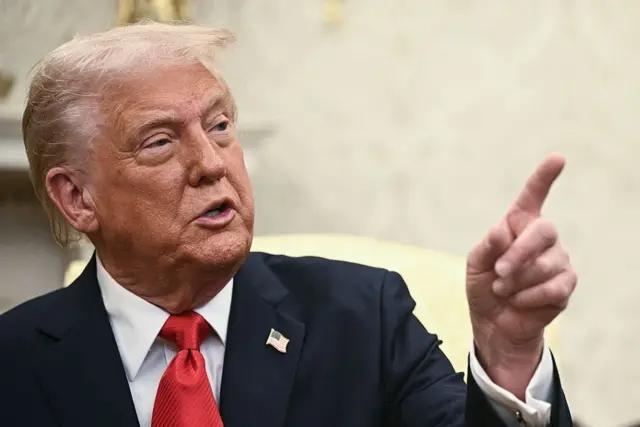
Trump Extends Iran Ceasefire as Pakistani Mediators Ask Truce Extension
Key Takeaways
- Trump extended the Iran ceasefire at Pakistan's request to prolong talks.
- Pakistan-mediated talks in Islamabad aim to end the war.
- US continues the blockade of Iranian ports despite ceasefire extension.
Ceasefire extended, talks stall
President Donald Trump said late Tuesday he would extend the ceasefire with Iran as negotiations over the next round of talks appeared to be at an impasse, with Pakistani mediators asking him to extend the truce.
“Vice President JD Vance is scheduled to lead a team of United States negotiators in Islamabad on Tuesday for talks with Iran aimed at ending their war, even though Tehran is yet to confirm its participation in this latest round of negotiations”
In the PBS News Hour transcript, Amna Nawaz said Trump would extend the cease-fire “as negotiations over a next round of talks seem to be at an impasse,” and Liz Landers reported that “Pakistani mediators asked him to extend the truce.”

The Washington Post similarly said Trump would extend a ceasefire “hours before it was due to expire,” pledging to refrain from attacks until discussions with Tehran “are concluded, one way or the other.”
The New York Times reported that Trump extended the cease-fire “just hours before it was set to expire,” after Vice President JD Vance’s trip to Pakistan was put on hold because, according to a U.S. official, “Tehran had failed to respond to American positions.”
Multiple outlets tied the extension to a “unified proposal” from Tehran, with Trump saying the ceasefire would stay in effect until Iran’s “leaders and representatives can come up with a unified proposal.”
The Guardian quoted Trump writing on Truth Social that, “upon the request of Field Marshal Asim Munir, and Prime Minister Shehbaz Sharif, of Pakistan,” the U.S. would “hold our Attack on the Country of Iran until such time as their leaders and representatives can come up with a unified proposal.”
Even as the truce was extended, the PBS transcript and other coverage described the U.S. continuing a naval blockade of Iranian ports, with PBS noting the U.S. military intercepted and boarded “another sanctioned oil tanker” and the New York Times stating the U.S. blockade would continue.
Blockade continues, oil traffic hit
While Trump extended the ceasefire, the sources describe the U.S. maintaining pressure through maritime enforcement and a blockade of Iranian ports.
The PBS News Hour transcript said that “on the Indian Ocean today, the U.S. military intercepted and boarded what the Pentagon says is another sanctioned oil tanker,” and it described the blockade as “nearly 10 days” old, with the “28th such ship” boarded by the blockade.
The New York Times added that “the U.S. Navysaysit has forced 28 ships to turn around,” and it linked the threat of Iranian attacks to “throttled shipping trafficthrough the strait.”
In the same New York Times account, Iran’s foreign minister Abbas Araghchi called the blockade “an act of war,” and the paper said Trump had stated Iran “violated the cease-fire numerous times.”
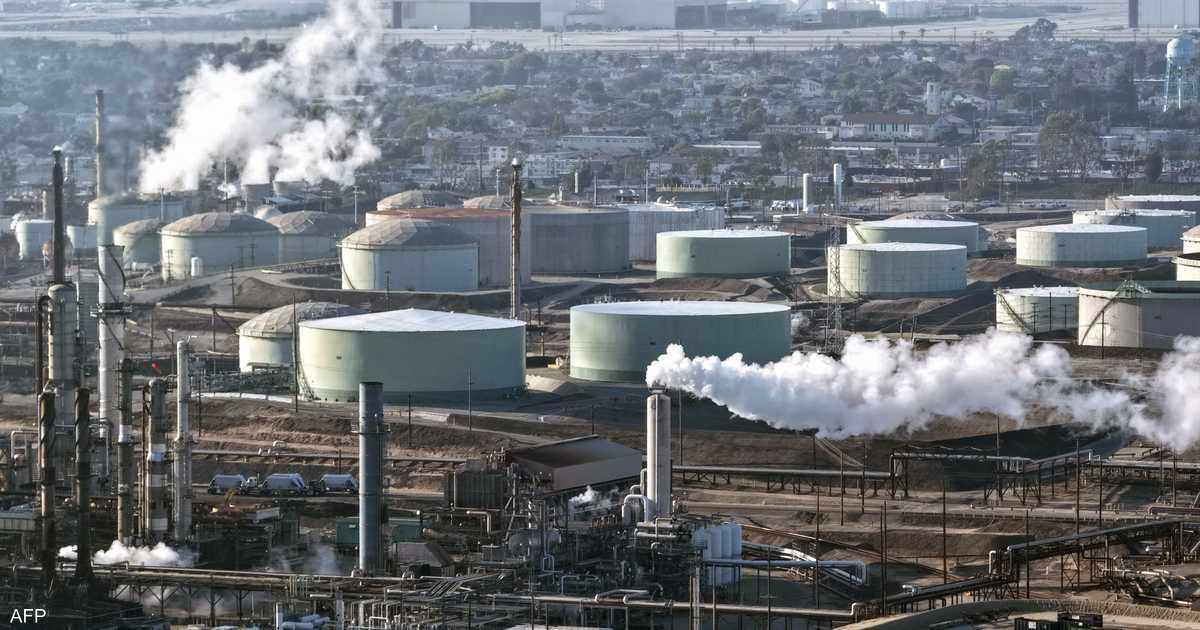
The Guardian also described the U.S. continuing its blockade and quoted U.S. Treasury’s Scott Bessent saying that “in a matter of days, Kharg Island storage will be full and the fragile Iranian oil wells will be shut in.”
The Fox News report likewise quoted Bessent warning that “In a matter of days, Kharg Island storage will be full, and the fragile Iranian oil wells will be shut in,” and it said the U.S. would continue “maximum pressure through Economic Fury to systematically degrade Tehran’s ability to generate, move, and repatriate funds.”
The Guardian further stated that the U.S. Department of Defense said US forces boarded the sanctioned M/T Tifani tanker overnight “without incident” in the Asia Pacific region and that the U.S. would pursue “global maritime enforcement efforts” to “interdict sanctioned vessels providing material support to Iran – anywhere they operate.”
Iran’s pushback and internal fractures
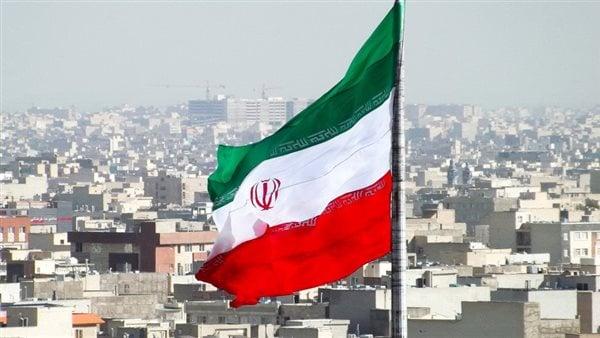
Iran’s response to the ceasefire extension described in the sources is dismissive and tied to the blockade.
The New York Times reported that the first response from Iran came from an adviser to Mohammad Bagher Ghalibaf, writing on social media: “The extension of the cease-fire by Donald Trump has no meaning,” and adding, “The losing side cannot set the terms.”
The same New York Times account said the adviser, Mahdi Mohammadi, equated the U.S. naval blockade with bombing, and it contrasted that with Trump’s earlier comments to CNBC where he said, “I expect to be bombing.”
CNN’s live updates similarly said “Iran pushes back,” describing an Iranian senior adviser saying the extension “means nothing” and that Tehran should respond militarily.
The BBC reported that Iran’s UN Ambassador Amir Saeid said Tehran had received “some signs that the US was ready to end its blockade of Iranian ports,” and that the next round of negotiations would only take place when that happens.
The BBC also said that in an interview with CNBC, Donald Trump said Iran has “no choice but to send” delegates to Pakistan and that he “expects to be bombing” if progress is not made.
CNN’s account added that the U.S. administration was dealing with “virtual silence from the Iranians,” after sending Iran a list of broad deal points, and it said days went by without a response.
Pakistan mediates as Vance trip canceled
Pakistan’s role as mediator appears repeatedly across the sources, with Trump extending the ceasefire at Pakistan’s request and Pakistani officials thanking him.
PBS reported that “Pakistani mediators asked him to extend the truce,” and it described the stage in Pakistan’s capital for a second round of peace talks while “a cloud of uncertainty loomed.”
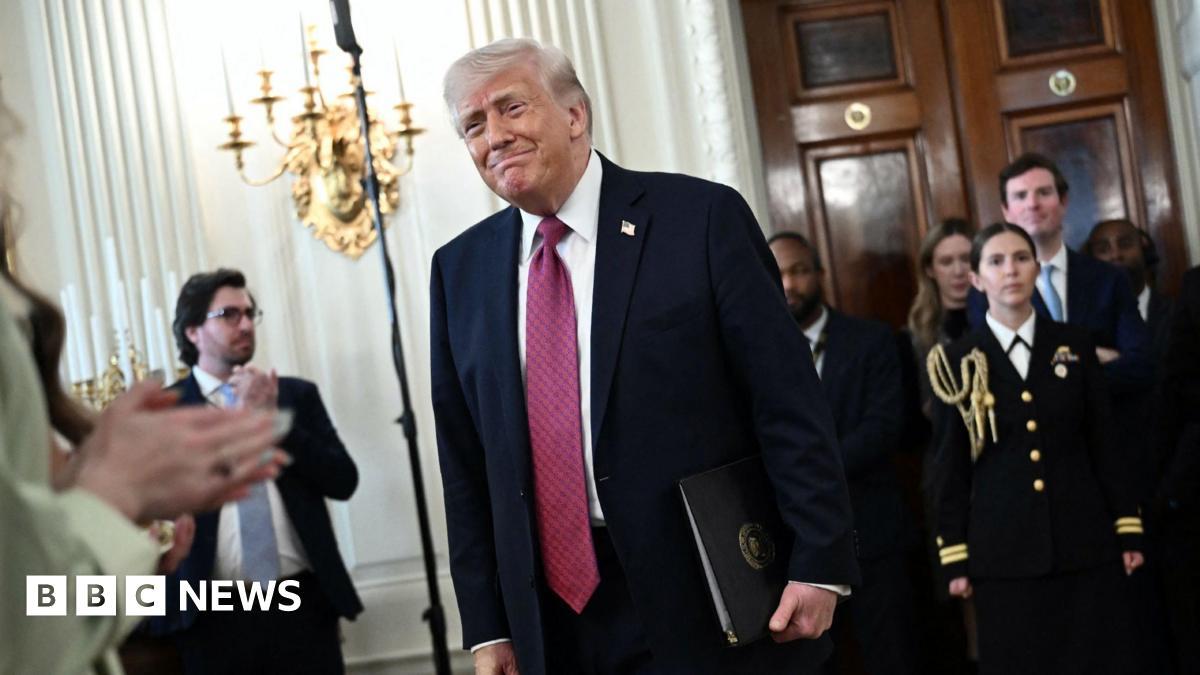
The PBS transcript said Vice President Vance “unexpectedly put his trip on hold and remained in Washington through the afternoon,” and it quoted a man through an interpreter saying, “So far, no delegation from Iran has gone to Islamabad.”
The Guardian quoted Trump writing on Truth Social that the extension was “upon the request of Field Marshal Asim Munir, and Prime Minister Shehbaz Sharif, of Pakistan,” and it said the move came as the White House put on hold Vance’s planned trip to Pakistan.
The BBC reported that the White House confirmed Vance’s trip to Pakistan had been cancelled, and it said Iran’s foreign ministry spokesperson told the BBC that Iran had yet to decide whether to send a delegation to Pakistan for US talks.
The Malay Mail reported that a White House official confirmed Vance would not travel to Pakistan “today as previously planned, pending the submission of an Iranian proposal,” and it quoted the official saying, “Any further updates on in-person meetings will be announced by the White House.”
The WTOP report said the White House said “Vance and the U.S. negotiating delegation would not be traveling to Pakistan on Tuesday,” and it added that Pakistan’s prime minister Shehbaz Sharif thanked Trump, writing on X that he was expressing gratitude “on my personal behalf and on behalf of Field Marshal Syed Asim Munir” for Trump’s “gracious acceptance” of Pakistan’s request.
Global reactions and next steps
International and regional reactions to the ceasefire extension, and the continuing blockade, show how the diplomatic window is being framed.
“Grace Eliza Goodwin Reporting from New York Another day, another unexpected development in the conflict in the Middle East”
The New York Times said Secretary-General António Guterres welcomed the extension, quoting him: “This is an important step toward de-escalation and creating critical space for diplomacy and confidence-building between Iran and the United States,” and it added that Guterres urged parties to “refrain from actions that could undermine the cease-fire.”

WTOP likewise quoted a UN spokesman, saying the announcement would create “critical space for diplomacy and confidence-building between Iran and the United States,” and it said the secretary-general “fully supports” Pakistan’s efforts to facilitate U.S.-Iran talks.
The New York Times also reported that Prime Minister Shehbaz Sharif thanked President Trump for “graciously accepting our request to extend the ceasefire to allow ongoing diplomatic efforts to take their course.”
The Guardian described a separate track in Lebanon and Israel, stating that Hezbollah said it had fired rockets and drones at Israeli forces maintaining a buffer zone in southern Lebanon and that Israel said it had struck the launcher, calling Hezbollah’s strikes “a blatant violation of the ceasefire.”
The Guardian also said Britain would host military planners from over 30 countries for two days of talks starting Wednesday on a multinational mission led by the UK and France to protect navigation in the strait of Hormuz.
In parallel, Fox News reported that Scott Bessent warned the blockade and financial crackdown could impact the regime’s revenue streams “in a matter of days,” and it quoted him saying the U.S. would “continue to freeze the funds stolen by the corrupt leadership on behalf of the people of Iran.”
More on Iran

Donald Trump Extends Iran Ceasefire Until Peace Talks End, Keeps Blockade of Iranian Ports
10 sources compared
Donald Trump Indefinitely Extends Ceasefire With Iran While U.S. Blocks Iranian Ports
15 sources compared
Trump Extends Iran Ceasefire Indefinitely, Orders U.S. Military To Continue Blockade
11 sources compared
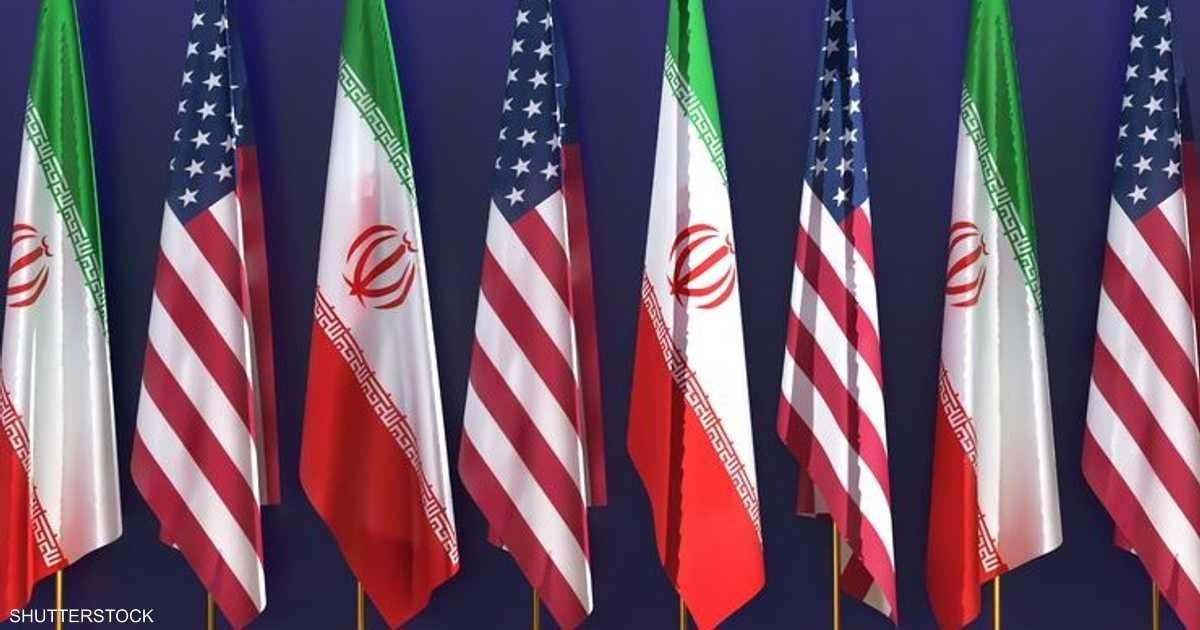
Donald Trump Extends U.S. Ceasefire With Iran, Orders Naval Blockade to Continue
15 sources compared