Trump Extends Israel-Hezbollah Truce and Urges Joseph Aoun Benjamin Netanyahu Meeting
Key Takeaways
- Trump extends Lebanon-Israel ceasefire for three weeks.
- US urges direct Aoun-Netanyahu talks to safeguard Lebanon's sovereignty and borders.
- Trump couples ceasefire extension with prospect of direct talks between leaders.
Ceasefire extended, talks floated
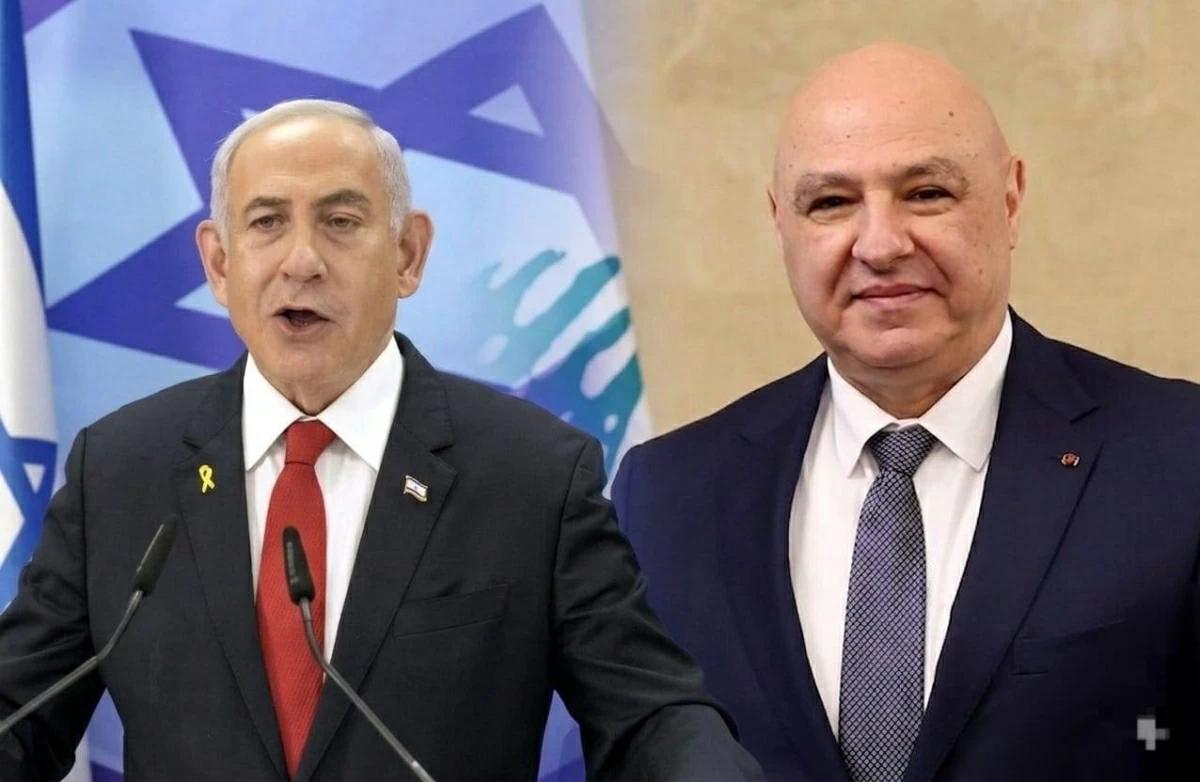
The United States has confirmed an extension of the truce between Israel and Hezbollah on the Israel-Lebanon border, with Donald Trump making the announcement and coupling it to an unprecedented prospect: a direct meeting between Lebanese President Joseph Aoun and Israeli Prime Minister Benjamin Netanyahu.
“The White House has confirmed the extension of the truce reached between Israel and Hezbollah, a mechanism that remains the backbone of de-escalation on the Israel-Lebanon border”
Africtelegraph says the truce in force in Lebanon was negotiated in the fall of 2024 after more than a year of confrontation between Israel and Hezbollah, and that it was reaching a new technical deadline.

It describes the renewal by presidential decision as signaling Washington’s willingness to “lock in the existing framework rather than renegotiate it,” and says the mechanism rests on “a gradual withdrawal of Israeli forces from South Lebanon, a redeployment of the Lebanese army in the area, and international oversight including the United States and France.”
The same source says the Trump administration inherits a mechanism put in place under President Biden and “chooses to keep it alive,” despite “regular skirmishes reported along the Blue Line.”
France 24 reports that new Israeli strikes on southern Lebanon killed at least 17 people on Thursday, “despite the ceasefire in effect since April 17,” and it ties the U.S. call for a meeting to the same moment.
Multiple outlets frame the meeting as a U.S.-facilitated diplomatic track: the U.S. Embassy in Beirut said Lebanon is at a “crossroads” and called for a direct meeting, while Africtelegraph says no venue or format was specified and that the interview could take place within about three weeks.
Escalation despite the truce
While the ceasefire extension and the Aoun-Netanyahu meeting were being promoted, the sources describe continued violence in southern Lebanon and disputes over whether Israel is complying.
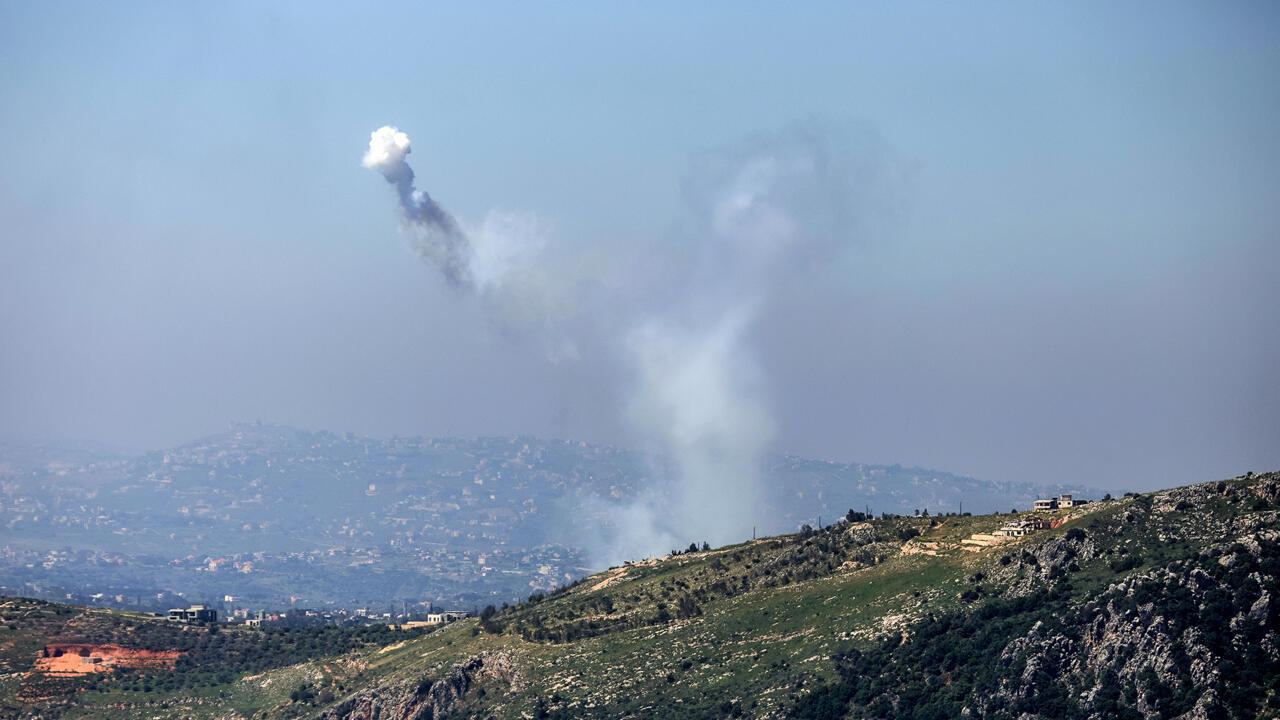
France 24 reports that “New Israeli strikes on southern Lebanon have killed at least 17 people on Thursday,” citing the Health Ministry and adding that the toll included “at least five women and two children.”

It also says the strikes included “an Israeli drone strike against a group of people gathered near Zebdine cemetery in Zebdine, a town in southern Lebanon,” and that the Lebanese army said “one of its soldiers and several members of his family were killed in a strike targeting their home in the Nabatieh region.”
The Diplomatic Insight says Israeli strikes in southern Lebanon killed “at least 17 people, including women and children,” and it describes Israel maintaining a military presence near the border inside a designated “Yellow Line” zone inside Lebanese territory.
The New Arab says Israeli forces killed “at least 20 people in Lebanon in the last 24 hours,” and it specifies that the toll included “two Lebanese army soldiers, two children, and three paramedics,” while also reporting that “More than 70 others, including children, were also wounded.”
Arabnews.jp adds that Israel’s strikes on the country’s south killed “at least 17 people” on Thursday, and it states that Israel’s soldiers were operating inside a “Yellow Line” running “some 10 kilometers deep inside Lebanon along the border.”
Voices: U.S., Aoun, Hezbollah
The U.S. Embassy in Beirut is presented across multiple sources as urging direct engagement and portraying it as a chance for Lebanon to regain sovereignty.
In a statement carried by Middle East Eye, the embassy said Lebanon stands at a “crossroads” to “decide its own destiny,” and it added that “a “direct engagement” between the countries, facilitated by the US, would “mark the beginning of a national revival.”
Naharnet reproduces the embassy’s language that “Lebanon stands at a crossroads. Its people have a historic opportunity to reclaim their country and shape their future as a truly sovereign, independent nation,” and it says “the time for hesitation is over.”
The Media Line similarly quotes the embassy saying that “A direct meeting between President Aoun and Prime Minister Netanyahu, facilitated by President Trump, would give Lebanon the chance to secure concrete guarantees on full sovereignty, territorial integrity, secure borders, humanitarian and reconstruction support, and the complete restoration of Lebanese state authority over every inch of its territory—guaranteed by the United States.”
Against that push, the sources show Aoun insisting on compliance with the ceasefire before negotiations.
Arabnews.jp quotes Aoun on Wednesday: “Israel “must first fully implement the ceasefire in order to move on to negotiations… Israeli attacks cannot continue as they are.”
Rifts and different frames
The sources diverge in how they frame the same U.S.-backed diplomatic push, and they also differ in the details they emphasize about the violence and the political implications inside Lebanon.
France 24 presents the U.S. urging as part of a broader moment, reporting that “The U.S. Embassy in Beirut called for a meeting between President Aoun and Netanyahu,” while also describing the strikes and the death toll of “at least 17 people” and the inclusion of “at least five women and two children.”

Middle East Eye and Naharnet foreground the embassy’s rhetoric of sovereignty and national revival, with Middle East Eye quoting the embassy’s claim that the country is at a “crossroads” and that “the time for hesitation is over,” while Naharnet adds that the meeting would be “facilitated by President Trump” and would be “guaranteed by the United States.”
The Diplomatic Insight and The Media Line both describe the meeting as a path toward restoring Lebanese control in the south, but they stress different elements: The Media Line says the U.S. urged the meeting could help secure an Israeli military withdrawal and restore Lebanese state control, while The Diplomatic Insight says the appeal is aimed at moving from a “fragile ceasefire with Hezbollah toward a more durable security arrangement.”
The New Arab and Arabnews.jp emphasize the continued attacks and the domestic political friction, with The New Arab reporting that Aoun “sharply denounced what he called "continuing Israeli violations"” and with Arabnews.jp describing a rift in Lebanon because “Hezbollah rejecting direct negotiations as well as Beirut’s previous commitment to disarm it.”
Africtelegraph, meanwhile, frames the meeting prospect as a symbolic rupture and situates it within a wider U.S. strategy, describing Lebanon and Israel as having “no diplomatic relations and remain technically at war since 1948,” and it says the meeting would represent “a rupture of a magnitude comparable” to Gulf normalization episodes of 2020.
What comes next
The sources describe the next phase as hinging on whether the ceasefire holds and whether the meeting can be scheduled and accepted across Lebanon’s political spectrum.
Africtelegraph says “No formal timetable has been published on the Lebanese side,” and it adds that “the Baabda presidency has refrained from confirming in the immediate term the holding of such a meeting.”
Arabnews.jp says Trump hopes to host Aoun and Netanyahu “over the next couple of weeks,” and it reports that Aoun said on Wednesday that Lebanon was “waiting for the United States to set a date to begin direct negotiations” with Israel.
The Diplomatic Insight says the proposed diplomatic track has sparked political divisions inside Lebanon, and it adds that Hezbollah’s rejection of direct negotiations and opposition to disarm it “deepening internal disagreement over the country’s approach.”
The Media Line describes the U.S. push as pressing Beirut and Jerusalem to move from a fragile ceasefire toward a more durable security arrangement, and it states that for Lebanon “the central demands are an Israeli pullout, prisoner releases, reconstruction aid, and control over the south by the Lebanese state rather than Hezbollah.”
Libnanews adds that Saudi Arabia’s envoy Yazid ben Farhan visited Beirut on “23 avril” and met Joseph Aoun at Baabda, Nawaf Salam at Sérail, and Nabih Berri at Ain el-Tineh, with the message that Riyad does not want a “rencontre précipitée” without guarantees on “le cessez-le-feu, le retrait israélien et la protection de l’équilibre interne libanais.”
More on Lebanon
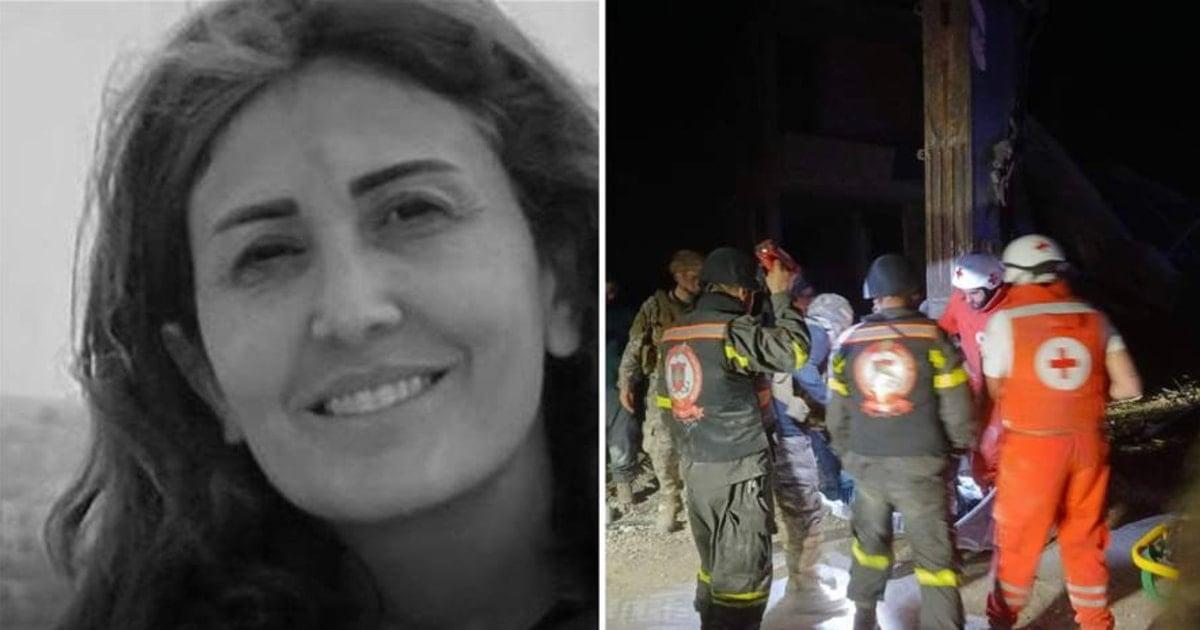
Israeli Attacks Kill At Least 28 People In Southern Lebanon Despite U.S.-Mediated Ceasefire
12 sources compared
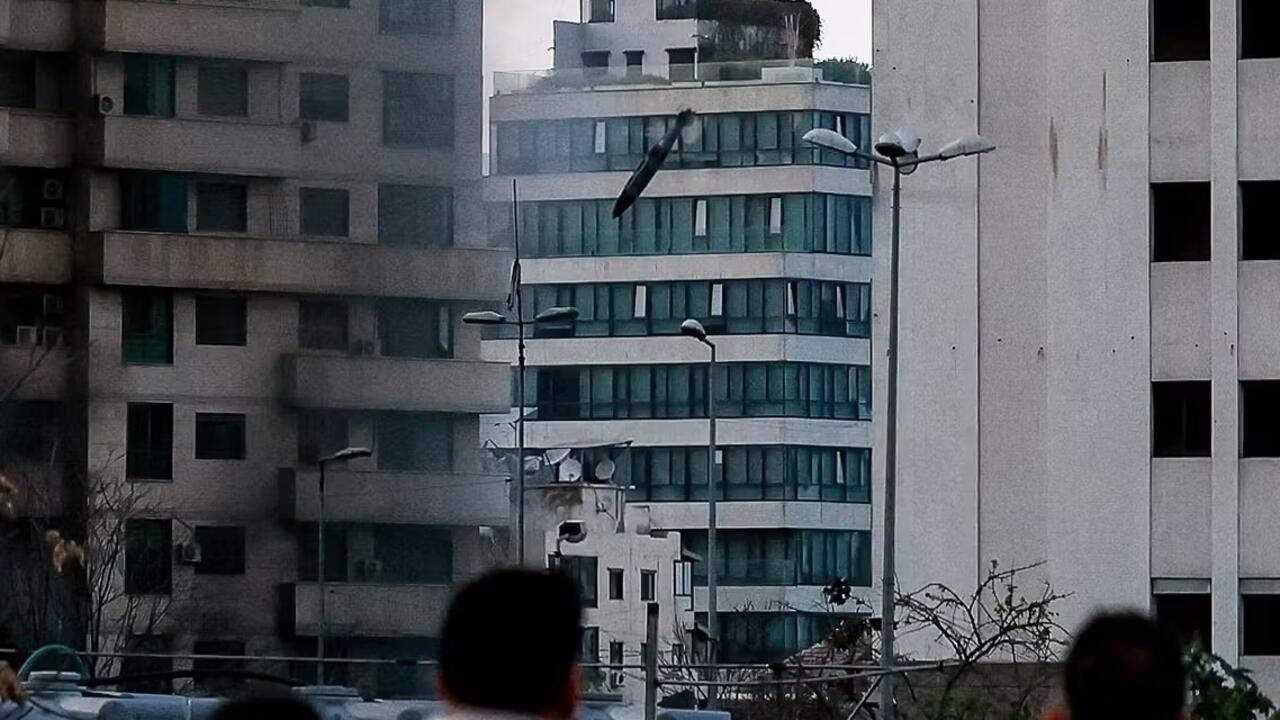
Israeli Strikes Kill 17 in Southern Lebanon as Hezbollah Drone Attack Kills Golani Brigade Soldier
11 sources compared

Hezbollah Fibre-Optic Drones Threaten Israeli Helicopter and Kill Idan Fooks in Taybeh
11 sources compared
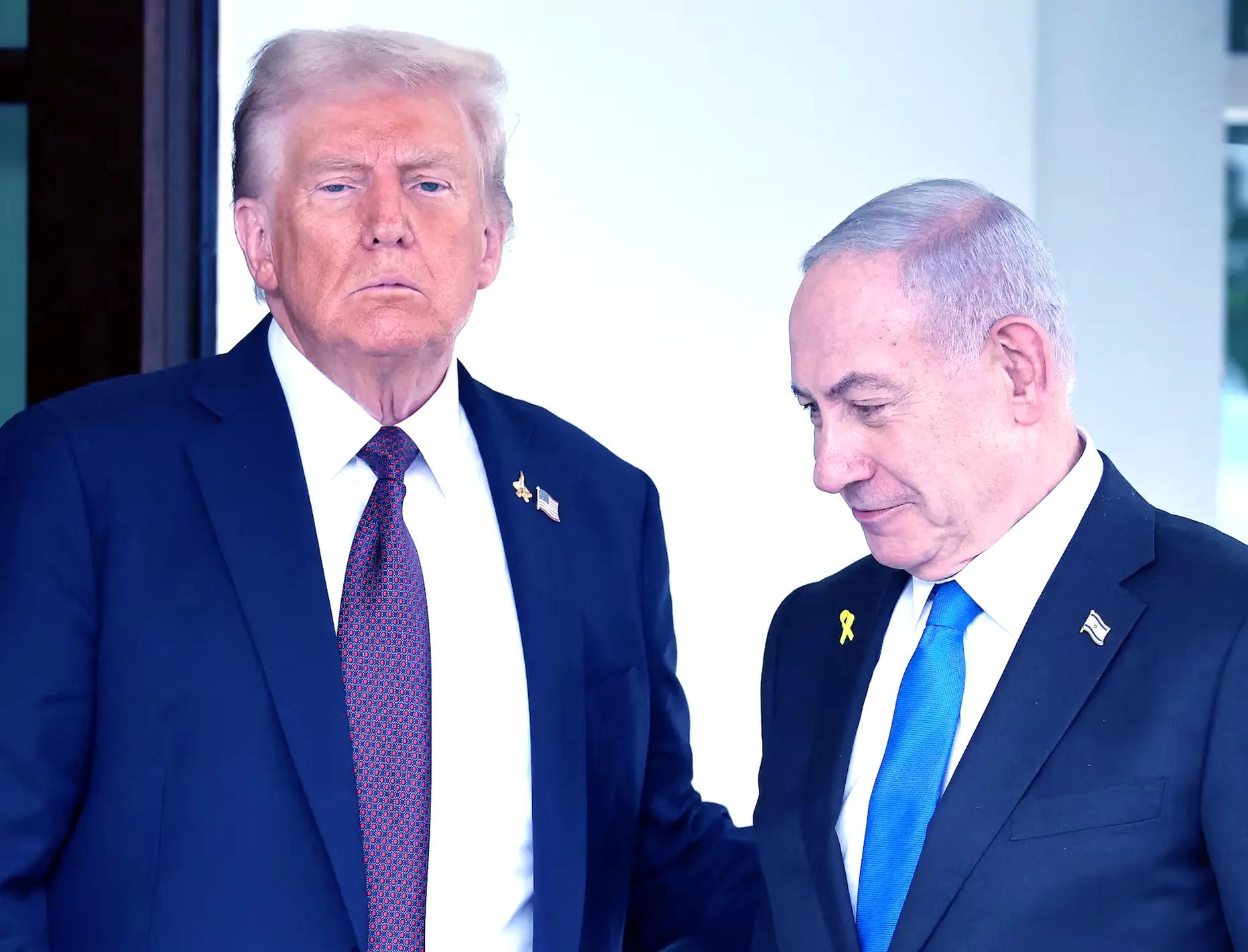
Trump Tells Netanyahu to Limit Lebanon Strikes to “Surgical” Operations
16 sources compared