
Trump Extends Israel-Lebanon Ceasefire Three Weeks as Hezbollah Calls It Meaningless
Key Takeaways
- Israel-Lebanon ceasefire extended by three weeks after White House talks.
- Hezbollah calls the three-week extension meaningless.
- Two civilians killed in southern Lebanon amid ongoing Israeli strikes.
Ceasefire extended, Hezbollah scoffs
President Donald Trump announced that the Israel-Lebanon ceasefire would be extended by three weeks after fresh talks between the countries’ envoys in Washington, and he said the meeting “went very well.”
“Israel has continued its attacks on southern Lebanon, hours after ceasefire between the two countries was extended for a further three weeks”
In the Oval Office, Trump said the United States would work with Lebanon “to help it protect itself from Hezbollah,” while also noting, “they do have Hezbollah to think about.”
Hezbollah reacted with contempt to the extension, calling the truce “meaningless,” and the Iran-backed militant group said it still had a right to respond proportionately to any Israeli operations in Lebanon.
Hezbollah lawmaker Ali Fayyad said in a statement carried by Hezbollah’s TV station Al Manar that any deal that does not include an Israeli withdrawal from Lebanese territory affirms the Lebanese people’s “right to resist the occupation.”
The ceasefire had been due to expire on Sunday, after a 10-day ceasefire that had been “only tenuously followed,” with fewer but continued attacks by Israel and Hezbollah.
Fighting between Israel and Hezbollah continued Friday even as Trump announced the extension, and the Israeli military said it carried out strikes in Kherbet Selem and Touline in southern Lebanon on Friday.
The extension also came with continued diplomatic maneuvering in Lebanon, including Prime Minister Nawaf Salam meeting Friday with a Hezbollah ally, Speaker Nabih Berri, as supporters gathered outside government headquarters on the eve of the first round of talks in mid-April calling for Salam’s ouster.
What led to the talks
The ceasefire extension was presented as part of a broader effort to end more than seven weeks of fighting between Israel and Iran-backed Hezbollah, after a sequence of escalation that began when Hezbollah fired rockets into northern Israel on March 2.
The BBC described how Hezbollah launched rockets and drones into Israel in retaliation after the US and Israel attacked Iran on 28 February and killed Iran’s supreme leader, and then Israel bombarded Lebanon with airstrikes, mainly in the south and Beirut.

Israel’s ground invasion followed, with IDF troops re-entered southern Lebanon in early March and remaining occupying 10km (6.2 mile) of Lebanese territory, while Israel also maintained a buffer zone.
The AP described that the initial 10-day ceasefire had been due to expire Monday, and that since it went into effect last Friday there had been multiple violations by both sides.
The talks themselves were framed as a major step because they were the first direct diplomatic talks in decades between Israel and Lebanon, after the initial ceasefire went into effect last Friday.
The BBC also said the initial 10-day ceasefire was announced after a meeting in Washington last week that brought Lebanese and Israeli envoys together for the first direct, high-level contact in three decades.
The CFR newsletter added that fighting between Israel and Hezbollah in Lebanon had been an obstacle to U.S.-Iran negotiations, and that Trump pledged Washington would help Beirut “protect itself” from Hezbollah.
Voices clash over meaning and control
Hezbollah’s leadership and Lebanese officials framed the ceasefire extension through competing lenses of legitimacy and control, with Hezbollah dismissing the truce while Lebanese leaders sought wider negotiations.
“Trump says Lebanon and Israel agree to extend Israel-Hezbollah ceasefire by 3 weeks Trump says Lebanon and Israel agree to extend Israel-Hezbollah ceasefire by 3 weeks Washington (AP) — President Donald Trump said Israel and Lebanon have agreed to extend a ceasefire between Israel and the Hezbollah militant group by three weeks after talks at the White House on Thursday”
Hezbollah lawmaker Ali Fayyad said, “It is essential to point out that the ceasefire is meaningless in light of Israel's insistence on hostile acts, including assassinations, shelling, and gunfire,” and he added, “Every Israeli attack ... gives the resistance the right to a proportionate response.”
In the same dispute, Israel’s Prime Minister Benjamin Netanyahu said Israel was “maintaining full freedom of action against any threat” and accused Hezbollah of “trying to sabotage” the ceasefire deal, according to Al Jazeera.
The BBC reported that Lebanese Ambassador Nada Hamadeh Moawad and Israeli Ambassador Yechiel Leiter praised Trump’s role in the talks, with Leiter saying Israel and Lebanon were united in their aim to rid Lebanon of “this malign influence called Hezbollah.”
UN Secretary-General António Guterres welcomed the extension and called on all parties to “fully respect the cessation of hostilities, cease any further attacks & comply with their obligations under international law,” as quoted by CBC and also echoed by Al Jazeera.
In Lebanon’s political arena, Prime Minister Nawaf Salam met Friday with Speaker Nabih Berri, described as a Hezbollah ally, in what appeared to be an effort to garner support for the negotiations.
Meanwhile, the CFR newsletter said Trump pledged Washington would help Beirut “protect itself” from Hezbollah, tying the ceasefire diplomacy to the broader U.S.-Iran negotiation environment.
Different outlets spotlight different violations
While the extension was announced as a diplomatic step, multiple outlets described continued violence in southern Lebanon and framed the ceasefire’s durability differently.
CBC reported that an Israeli airstrike killed two people in the southern village of Touline on Friday, and it said Lebanon’s Health Ministry reported the deaths as Israel’s army ordered residents to evacuate another southern Lebanese town.
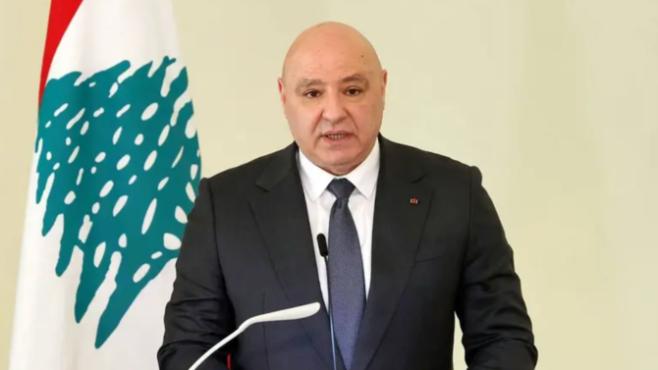
CBC also said the Israeli military warned that militant activity launched from the southern town of Deir Aames would prompt Israeli action, and it described Deir Aames as north of the area occupied by Israeli forces and “the first time Israel had issued such a warning since a ceasefire deal between Israel and Lebanon came into force on April 16.”
Al Jazeera described Israel continuing attacks hours after the ceasefire was extended, reporting that the Israeli military said it “eliminated” six Hezbollah fighters in the area of Bint Jbeil and that the Lebanese Health Ministry reported two people were killed in an Israeli air strike in Touline.
The same Al Jazeera report said there was ongoing military activity despite the truce, quoting Heidi Pett from Tyre: “There have been air strikes, drone strikes, home demolitions and continued occupation of territory here in southern Lebanon.”
Reuters-backed reporting in the CBC piece also said an Israeli drone was heard circling above Beirut throughout the day on Friday, and it noted that Hezbollah said it shot down an Israeli drone identified as a Hermes 450.
In parallel, the BBC described the ceasefire as being violated by both sides, saying Hezbollah said it had fired rockets at northern Israel in response to an Israeli “violation of the ceasefire,” and the IDF said it had intercepted the launches.
What happens next, and what’s at stake
The extension’s stated purpose was to create time for diplomacy toward a “permanent peace,” but the sources also show that the ceasefire’s future depends on unresolved questions about Hezbollah and the wider war.
Rubio said the three-week pause in fighting is designed to provide more time to work out a “permanent peace,” and he pointed to what he described as the obstacle: “a terrorist organization that operates within their national territory.”
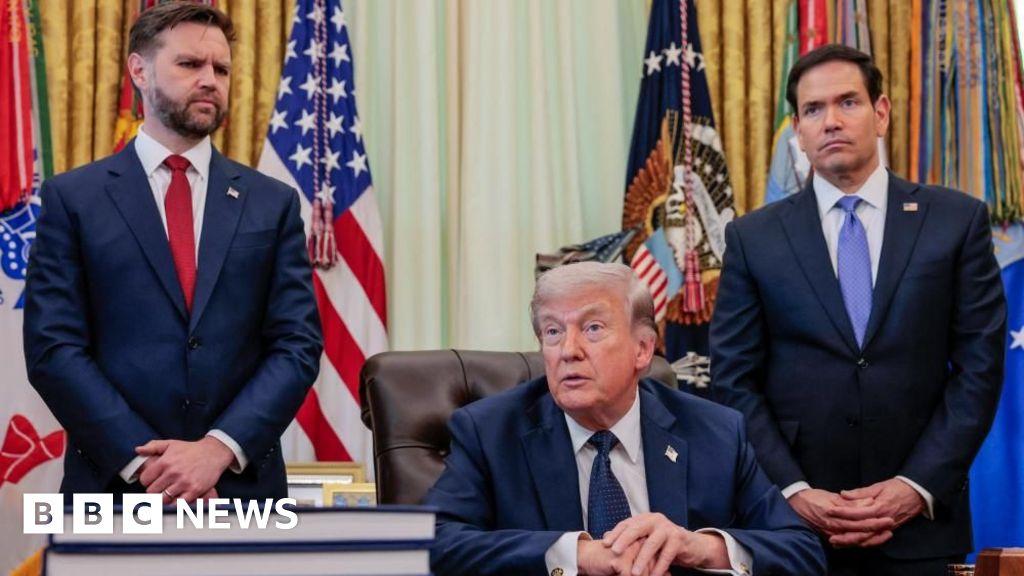
The BBC and AP both described how the ceasefire diplomacy was tied to the broader Iran conflict, with the CFR newsletter saying fighting in Lebanon had been an obstacle to U.S.-Iran negotiations and that Trump declined to give a timeline for ending the U.S.-Iran conflict.
The AP also reported that preparations were being made for wider-reaching negotiations, with Lebanon’s President Joseph Aoun saying the aim of future talks is to “fully” stop Israeli attacks, withdraw Israeli troops from Lebanon, release Lebanese prisoners held in Israel, deploy Lebanese troops along the border, and begin reconstruction.
Israel’s Foreign Minister Gideon Saar called on Lebanon to work with Israel to disarm Hezbollah, saying “The obstacle to peace and normalization between the countries is one: Hezbollah,” and he described Lebanon as a “failed state.”
Hezbollah’s political council member Wafiq Safa told the AP that it will not abide by any agreements made during the direct talks, and the AP said Hezbollah has not been a participant in the diplomacy.
Even as the ceasefire extended, the sources show continuing pressure through incidents like the killing of Lebanese journalist Amal Khalil, with Euronews describing her funeral in Baysariyeh and quoting Prime Minister Nawaf Salam on X that “Targeting journalists, obstructing access to them by relief teams, and even targeting their locations again after these teams arrive constitutes described war crimes.”
More on Lebanon
OHCHR Warns Israeli Attacks on Lebanon and Hezbollah Rocket Fire May Violate International Law
13 sources compared
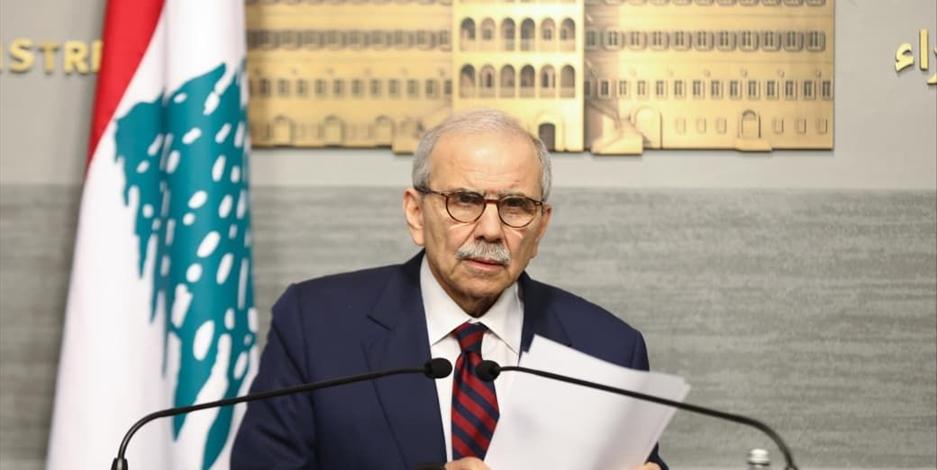
Israeli Forces Kill Six Hezbollah Fighters in Bint Jbeil Clash
14 sources compared
Israeli Forces Kill Six Hezbollah Fighters in Bint Jbeil Clash
13 sources compared

Trump Says Israel And Lebanon Extend Israel-Hezbollah Ceasefire By Three Weeks
18 sources compared