Israeli Forces Kill Six Hezbollah Fighters in Bint Jbeil Clash
Key Takeaways
- IDF says six Hezbollah fighters killed in Bint Jbeil clash.
- The clash involved an exchange of fire between IDF and Hezbollah.
- Occurred during a ceasefire extension in southern Lebanon.
Bint Jbeil clash and deaths
Israeli forces reported killing six Hezbollah fighters in the southern Lebanese town of Bint Jbeil on Friday during a clash that included a firefight, according to multiple outlets citing the Israeli military.
“Subscribing is the best way to get our best stories immediately”
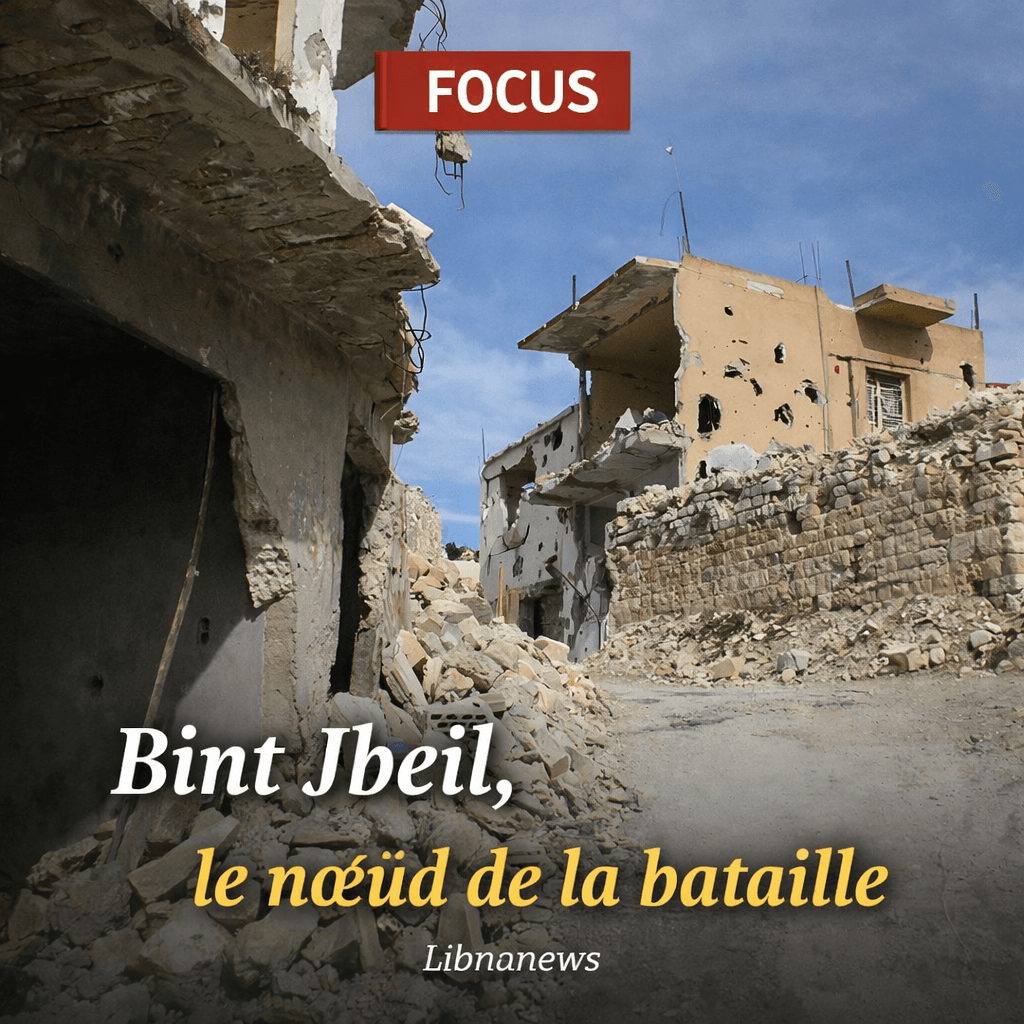
Naharnet said the Israeli military reported that troops identified six Hezbollah fighters operating in Bint Jbeil and then described an exchange of fire in which “the soldiers eliminated two (militants),” before striking the structure from which the fighters were operating and eliminating “the four remaining (militants).”
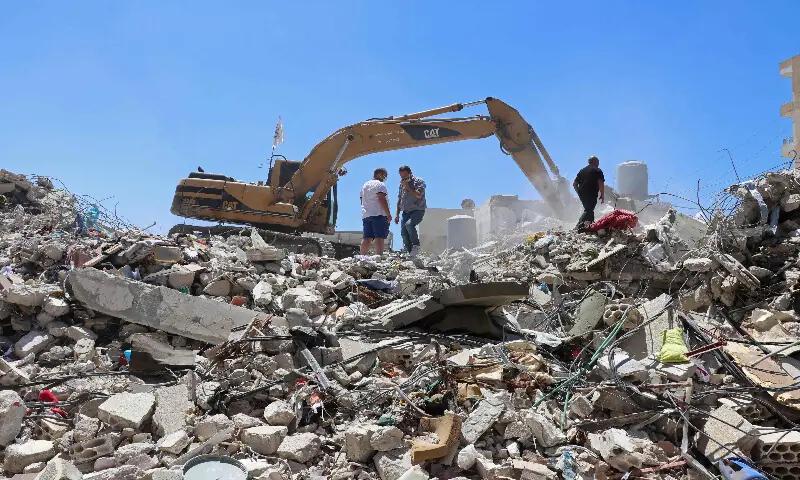
Aaj English TV and Arab News both carried the same Israeli military language about an exchange of fire and then a strike that eliminated “two terrorists” followed by “the four remaining terrorists.”
The Times of Israel described the incident as Hezbollah carrying out “several attacks on Israeli forces stationed in southern Lebanon on Friday,” while the IDF published footage showing six gunmen being struck after exchanging fire with troops in Bint Jbeil.
The Times of Israel also placed Bint Jbeil “in the Israeli-held security zone in southern Lebanon” and said the IDF assessed that, as the ceasefire took effect last week, “several Hezbollah operatives remained holed up in the town.”
In parallel, Lebanon’s health ministry reported that Israeli strikes killed six people in southern Lebanon on Friday, while also saying two others were injured, but it did not specify that those deaths were the same as the six Hezbollah fighters claimed by Israel.
BSS said the ministry’s statement blamed “the Israeli enemy's airstrikes on southern Lebanon today, April 24,” and listed deaths in Wadi al-Hujair, Touline, Srifa, and Yater, while noting that it was “not clear whether the deaths announced by the Lebanese health ministry were related to those claimed by Israel.”
Ceasefire extension and continued fighting
The Bint Jbeil clash unfolded around a ceasefire extension that multiple reports said was mediated by the United States and extended for three weeks, with fighting continuing despite the truce.
Dawn said Hezbollah called the US-mediated ceasefire “meaningless” a day after it was extended for three weeks, and it described the extension as coming after US President Donald Trump announced it on Thursday after hosting Israeli and Lebanese ambassadors at the White House.

Dawn also said the ceasefire agreement between the governments of Lebanon and Israel had been due to expire on Sunday, and it described the April 16 agreement as not requiring Israeli troops to withdraw from the belt of southern Lebanon seized during the war.
Dawn reported that the zone extends 5km to 10km into Lebanon and that Israel said the buffer zone aims to protect northern Israel from attacks by Hezbollah, which fired hundreds of rockets at Israel during the war.
Al Jazeera said Israel continued attacks on southern Lebanon hours after the ceasefire was extended for a further three weeks, and it described the Israeli military’s claim that it had “eliminated” six Hezbollah fighters in Bint Jbeil.
Al Jazeera also said Israeli forces remain stationed in southern Lebanon after establishing a so-called “yellow line,” and it said the casualty toll since the current round of fighting broke out on March 2 had risen to 2,491 people killed and 7,719 wounded, citing Lebanon’s Health Ministry.
Hezbollah’s response to the extension was quoted in both Dawn and Al Jazeera through Hezbollah lawmaker Ali Fayyad, who said “it is essential to point out that the ceasefire is meaningless in light of Israel’s insistence on hostile acts, including assassinations, shelling and gunfire.”
The same reporting also described Israel’s position through Prime Minister Benjamin Netanyahu, who accused Hezbollah of “trying to sabotage” the ceasefire deal and said Israel was “maintaining full freedom of action against any threat,” while United Nations Secretary-General Antonio Guterres welcomed the extension and urged compliance with international law.
Drone, rockets, and evacuation orders
Beyond the Bint Jbeil clash, the reports described continued military activity in southern Lebanon, including drone incidents, rocket barrages, and evacuation orders issued by the Israeli military.
The Times of Israel said Hezbollah carried out “several attacks on Israeli forces stationed in southern Lebanon on Friday,” and it described an earlier rocket barrage that the Iran-backed group fired at Israel late Thursday, prompting Israeli strikes and an evacuation order.
The Times of Israel also reported that on Friday afternoon “sirens sounded in several border communities in the Western Galilee” warning of a Hezbollah drone attack from Lebanon, and it said the IDF “shot the drone down before it crossed the border from Lebanon.”
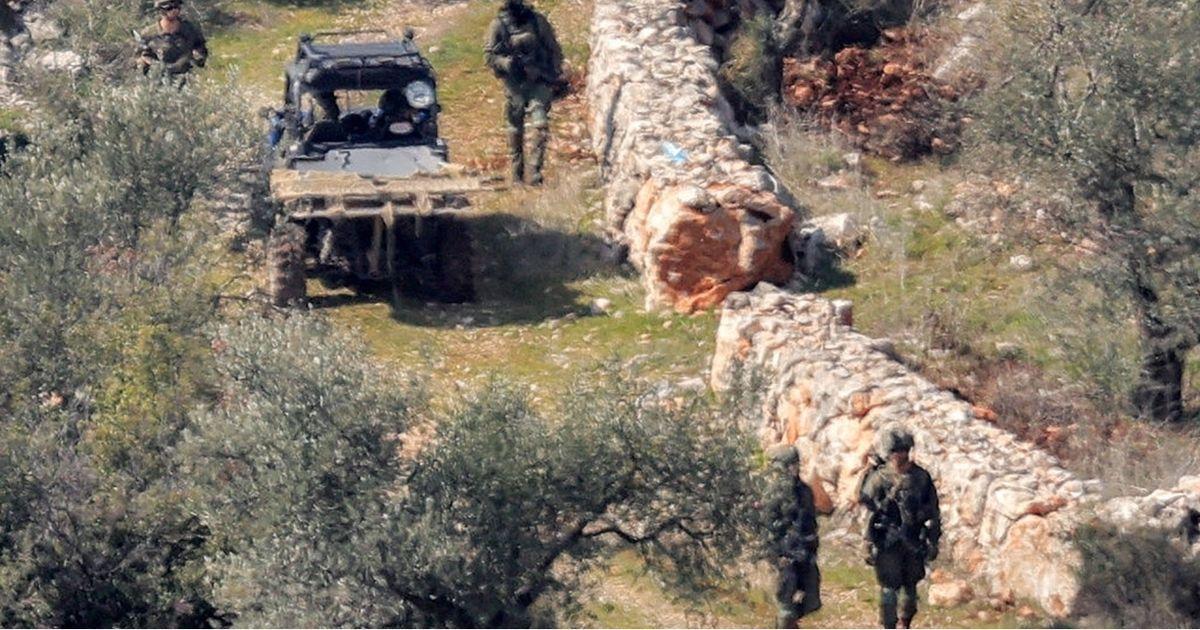
It further said Hezbollah launched “several explosive-laden drones at Israeli troops stationed in the Israeli-held security zone,” and that the drones struck near the forces but “no injuries were caused,” while another suspected drone was identified and later crashed after the IDF “lost contact with that drone.”
In southern Lebanon, the Times of Israel described Israeli military warnings to residents of Deir Aames, quoting army spokesman Col. Avichay Adraee saying, “Hezbollah’s terror activities and the launching [of rockets] from the village force the IDF to act against it in your area of residence,” and calling on residents to “immediately” evacuate and move “at least a kilometer from the village.”
Arab News similarly quoted Adraee’s earlier warning that residents should “evacuate your homes immediately and move at least 1,000 meters outside the area,” and it said Deir Aames is located north of the “Yellow Line” in Lebanon behind which Israeli forces are operating.
Dawn and Al Jazeera also described the ceasefire’s limits through continued strikes and drone activity, with Dawn saying Hezbollah downed an Israeli drone and identifying it as a Hermes 450 with a surface-to-air missile.
Al Jazeera said the Israeli military issued a forced evacuation order for Deir Aames and that the Israeli warning gave no details of the activities it said Hezbollah was conducting in the town.
Competing casualty narratives and framing
While the Israeli military and some international outlets focused on the killing of six Hezbollah fighters in Bint Jbeil, other reporting emphasized different casualty figures and different explanations for the deaths.
Naharnet and Aaj English TV both described the Israeli military’s account of six Hezbollah fighters killed in Bint Jbeil, with the same structure of “exchange of fire” and then a strike that eliminated “two” and then “four remaining” fighters.

Al Jazeera and Dawn, however, placed the Bint Jbeil claim within a broader narrative of continued attacks after the ceasefire extension, and they paired it with reports that Lebanon’s health ministry said two people were killed in the southern village of Touline.
Al Jazeera said the Lebanese Health Ministry reported two people killed in an Israeli air strike in Touline, and it also reported that the casualty toll since March 2 had risen to 2,491 killed and 7,719 wounded.
BSS likewise reported that the Lebanese health ministry said Israeli strikes killed six people in southern Lebanon on Friday and injured two others, listing Wadi al-Hujair, Touline, Srifa, and Yater, and it explicitly stated that it was “not clear whether the deaths announced by the Lebanese health ministry were related to those claimed by Israel.”
The Times of Israel and Arab News both framed the Bint Jbeil incident as part of Israel’s response to Hezbollah attacks and as a “blatant violation of the ceasefire understandings,” language that the IDF used in the Times of Israel account.
In contrast, Hezbollah’s own framing in Dawn and Al Jazeera treated the ceasefire extension as “meaningless,” with Ali Fayyad saying “Every Israeli attack ... gives the resistance the right to a proportionate response,” and with Hezbollah lawmaker Ali Fayyad also saying the ceasefire was meaningless due to “assassinations, shelling and gunfire.”
The Times of Israel also described the ceasefire extension as Trump announcing it after hosting Israeli and Lebanese envoys, and it said the sides in a joint statement agreed on the “urgent need” to revive a November 2024 ceasefire deal requiring Lebanon to disarm Hezbollah.
What comes next for the truce
The reports portrayed the ceasefire extension as fragile, with both sides pointing to continued hostile actions and with international actors calling for compliance.
“Connect With Us Copyright © 2026 BSS”
United Nations Secretary-General Antonio Guterres welcomed the extension and urged “Everyone must fully respect the cessation of hostilities, cease any further attacks & comply with their obligations under international law,” according to Al Jazeera.
Hezbollah dismissed the extension as “meaningless,” and Dawn and Al Jazeera quoted Hezbollah lawmaker Ali Fayyad saying “it is essential to point out that the ceasefire is meaningless in light of Israel’s insistence on hostile acts, including assassinations, shelling and gunfire.”
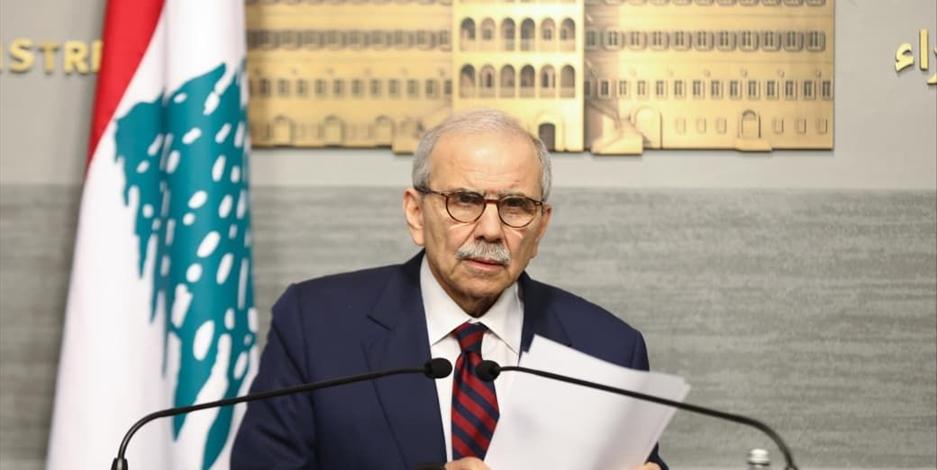
Israel’s Prime Minister Benjamin Netanyahu, in comments carried by Al Jazeera and Arab News, accused Hezbollah of “trying to sabotage” efforts to secure peace and said Israel was “maintaining full freedom of action against any threat.”
The Times of Israel described the IDF’s operational posture as continuing even during the truce, saying the IDF could carry out strikes in Lebanon in self-defense and that it had killed “over 30 Hezbollah operatives” since the truce took effect on April 17.
It also said the sides agreed on the “urgent need” to revive a November 2024 ceasefire deal that required the Lebanese government to disarm Hezbollah, tying the immediate fighting to a longer political framework.
Meanwhile, BSS reported that Israeli strikes continued “despite an ongoing ceasefire” in the “more than six-week war between Israel and Hezbollah,” and it placed the broader death toll since March 2 at 2,491 people killed in Lebanon, according to Lebanon’s health ministry.
With ongoing drone incidents, evacuation orders, and continued claims of violations, the next phase of the ceasefire extension depended on whether the parties would change behavior in the areas where Israel kept soldiers in the “buffer zone” and where Hezbollah said it would respond “proportionate[ly].”
More on Lebanon
Israeli Forces Kill Six Hezbollah Fighters in Bint Jbeil Clash
13 sources compared

Trump Says Israel And Lebanon Extend Israel-Hezbollah Ceasefire By Three Weeks
18 sources compared
Hezbollah Drone Attack Injures Israeli Reservist as Israel Strikes Southern Lebanon
11 sources compared

Hezbollah Drone Attack Wounds Israeli Reservist as Rockets Strike Upper Galilee
12 sources compared