Lebanon24 April, 20266 min read
Trump Says Israel And Lebanon Extend Israel-Hezbollah Ceasefire By Three Weeks
This article is an automated aggregation of coverage from news outlets. Our editorials offer in-depth analysis curated by the NewsCord team.
Trump announced a three-week extension of the Israel-Lebanon ceasefire. Israel and Lebanon agreed to extend the ceasefire after White House talks.
Save coverage image
Explore source coverage 7 source types
Directory totals describe our source library, not outlets checked for this story.
The Jerusalem Post was read line by line by the Watchdog: 5.6. See the score →
Ceasefire extended again
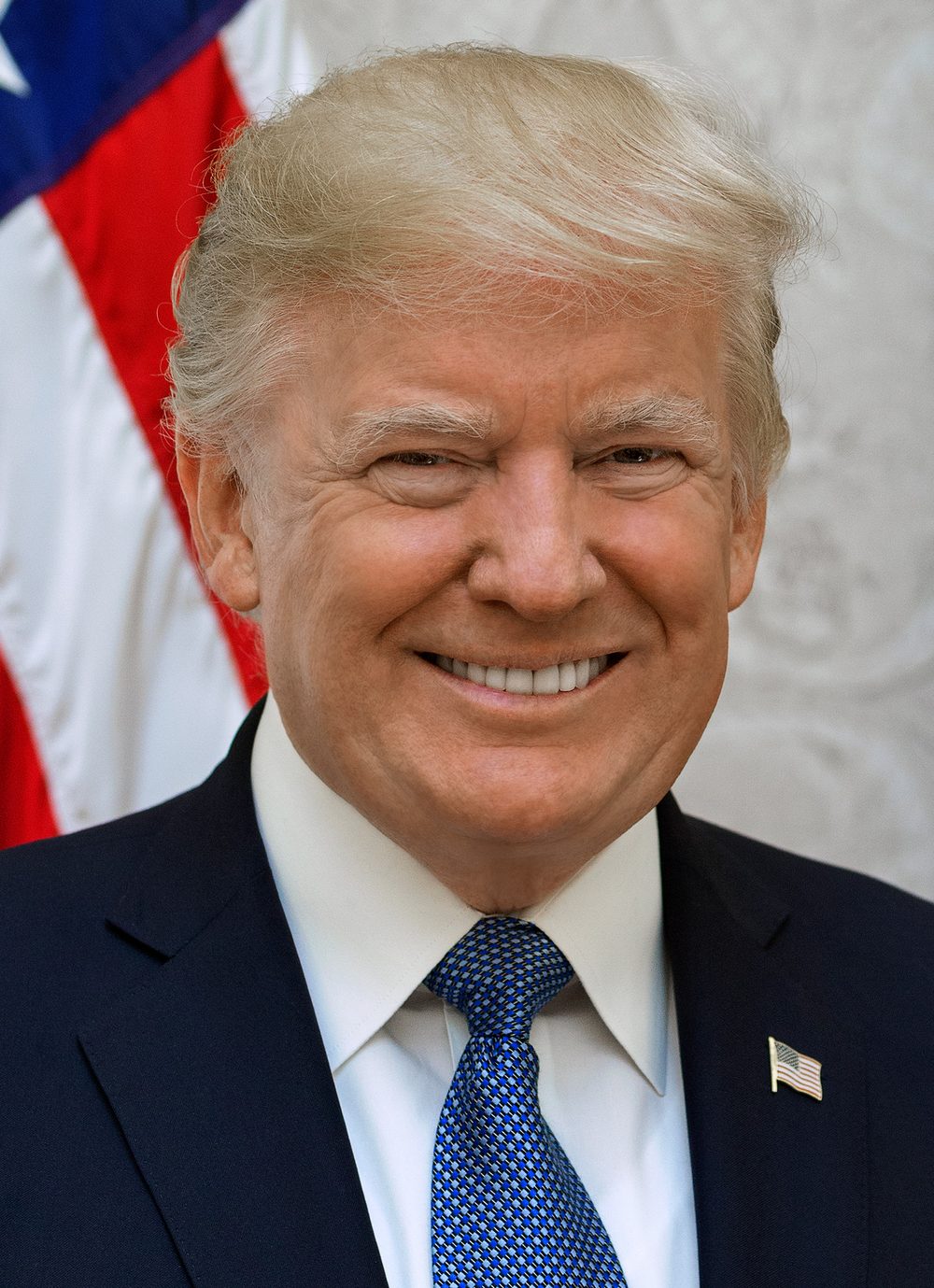
Israel and Lebanon extended their ceasefire for three weeks after talks in Washington, President Donald Trump said Thursday during the second round of peace talks at the White House. Trump said the extension was requested by Lebanon and described it as “an additional three weeks of, I guess no firing, ceasefire, no more firing.” He said he would invite Israeli Prime Minister Benjamin Netanyahu and Lebanese President Joseph Aoun to meet with him at the White House in the near future, while Vice President JD Vance and Secretary of State Marco Rubio joined participants in the Oval Office.
The Washington Post reported that the 10-day ceasefire was due to expire Sunday, and that the extension came as Trump and Vice President JD Vance joined participants of the talks in the Oval Office. The New York Times reported that Trump announced the three-week extension after hosting a meeting at the White House between Israeli and Lebanese diplomats, and that Hezbollah did not have representatives at the talks.
The AP similarly said Trump told reporters that Israel and Lebanon agreed to extend a ceasefire between Israel and Hezbollah by three weeks after talks at the White House on Thursday. The BBC added that Trump announced the extension on Truth Social, saying the meeting “went very well,” and that the ceasefire was set to expire on Sunday.

Violations and continued strikes
Even with the extension, the ceasefire remained “only tenuously observed,” with reduced but continued attacks by Israel and Hezbollah, the Washington Post reported. It said Hezbollah “has not officially recognized the pause in hostilities” and that on Thursday it launched its first missile attack on northern Israel since the ceasefire went into effect April 16, while the Israel Defense Forces said the missiles had been intercepted. The New York Times reported that the Israeli military said it had struck Hezbollah targets on Friday in southern Lebanon, while the truce “appeared to be holding,” and that there were no immediate reports of significant fighting.
The BBC said both Hezbollah and Israel accused each other of violating the ceasefire agreement, and it described Hezbollah firing rockets at northern Israel “in response to an Israeli "violation of the ceasefire"” with the IDF saying it had intercepted the launches. The Sun described the ceasefire as “fragile” and said Trump announced plans to keep the temporary peace deal alive for an extra three weeks despite the IDF continuing to strike Hezbollah targets.
The AP reported that since the initial ceasefire went into effect last Friday, there had been multiple violations by both sides, even as the talks represented “a major step” for neighboring countries that officially have been at war since Israel’s inception in 1948. In the middle of the diplomatic process, the New York Times also reported that Lebanon’s state-run news agency said Israeli airstrikes and artillery fire hit overnight in several towns and villages in southern Lebanon and that demolition operations occurred in two towns on Friday morning.
Diplomacy without Hezbollah
The ceasefire extension was announced after direct diplomatic contact between Israel and Lebanon, but Hezbollah was not part of the talks. The New York Times reported that Hezbollah “did not have representatives at the talks” and “did not immediately comment on the announcement,” while it also said neither Netanyahu nor Joseph Aoun commented immediately. The AP said the Iranian-backed group opposed the talks and that it had “opposed the talks,” adding that Wafiq Safa, a high-ranking member of the militant group’s political council, told the AP it “will not abide by any agreements made during the direct talks.”
The BBC similarly said Hezbollah and Israel accused each other of violating the ceasefire, and it described Hezbollah’s rocket launches as a response to an alleged Israeli violation. The Washington Post said Hezbollah “has not officially recognized the pause in hostilities” and that it launched its first missile attack on northern Israel since the ceasefire went into effect April 16.
In the Oval Office, Trump acknowledged the centrality of Hezbollah to the negotiations, telling reporters that “they do have Hezbollah to think about,” according to the New York Times. The ABC News account said Hezbollah rejected the talks and that a State Department official told ABC News, “The United States welcomes the productive engagement that began on April 14,” even as Israeli strikes against alleged Hezbollah targets continued under the U.S.-backed ceasefire.
Numbers, displacement, and deaths
The reporting tied the ceasefire talks to a broader toll from the Israel-Hezbollah war and to the scale of displacement across Lebanon. The Washington Post said Lebanon this week put the death toll from Israeli attacks since early March at 2,454, with 7,658 people wounded, while Israel said 16 of its troops had been killed and 690 wounded. The BBC reported that at least 2,294 people have been killed in Israeli attacks in Lebanon since the latest war began, according to the Lebanese health ministry, and it said the death toll includes 274 women and 177 children.
The New York Times said the conflict in Lebanon has killed nearly 2,300 Lebanese people, 15 Israeli soldiers and two civilians in Israel since it began in March, according to official tallies. On displacement, the Washington Post said more than 1.2 million Lebanese have been displaced by the fighting, most of them from the south, and it said many returned during the ceasefire to find their homes destroyed.
The BBC said UN figures show that across Lebanon, more than one million people, roughly one in five of the population, have been displaced in the latest fighting, with the majority from the south where Israel has destroyed homes and villages. The Sun also said that at least 2,450 people have been killed and more than one million have been displaced, according to Lebanese authorities.
What comes next and who decides
Across the coverage, the extension was framed as time to work toward “a permanent peace,” but the sources also described competing conditions and obstacles. The Washington Post quoted Rubio saying the three-week extension “gives everybody time to continue to work on what’s going to be a permanent peace between two countries,” while adding that “What’s standing in the way is ... a terrorist organization that operates within their national territory that needs to be eliminated.” The AP reported that Aoun said the aim of future talks is to “fully” stop Israeli attacks, the withdrawal of Israeli troops from Lebanon, release of Lebanese prisoners held in Israel, deployment of Lebanese troops along the border and beginning the reconstruction process, and it said Aoun made those remarks in comments released by his office.
The BBC said the ceasefire’s aim is to end more than seven weeks of fighting between Israel and Iran-backed Hezbollah and described that Israel can act in self-defense but not carry out offensive operations against Lebanese targets, while the New York Times said the durable peace would hinge on Lebanon’s ability to rein in Hezbollah. ABC News reported that the technocratic government in Beirut, which came to power in 2025, was juggling dual pressure campaigns and quoted Aoun saying the goal was to “stop hostilities, end the Israeli occupation of southern regions and deploy the [Lebanese] army all the way to the internationally recognized southern borders.”
In contrast, the Jerusalem Post opinion piece argued that as long as Hezbollah retains its weapons and power to decide when war begins and ends, “no agreement between the two governments will hold,” calling the truce “a pause.” The Washington Post also quoted Fadi Nicholas Nassar saying “Neither of those things happened,” and he warned that “The big worry in Lebanon is that if they confront Hezbollah, they will be left alone.”