Trump Announces Three-Week Israel-Lebanon Ceasefire Extension After Hezbollah Dismisses It As Meaningless
Key Takeaways
- Trump announced a three-week extension after White House talks between Israeli and Lebanese envoys.
- Hezbollah called the extension meaningless, citing ongoing Israeli attacks and a right to respond.
- The United States said it would work with Lebanon to help protect itself from Hezbollah.
Ceasefire extended, Hezbollah rejects
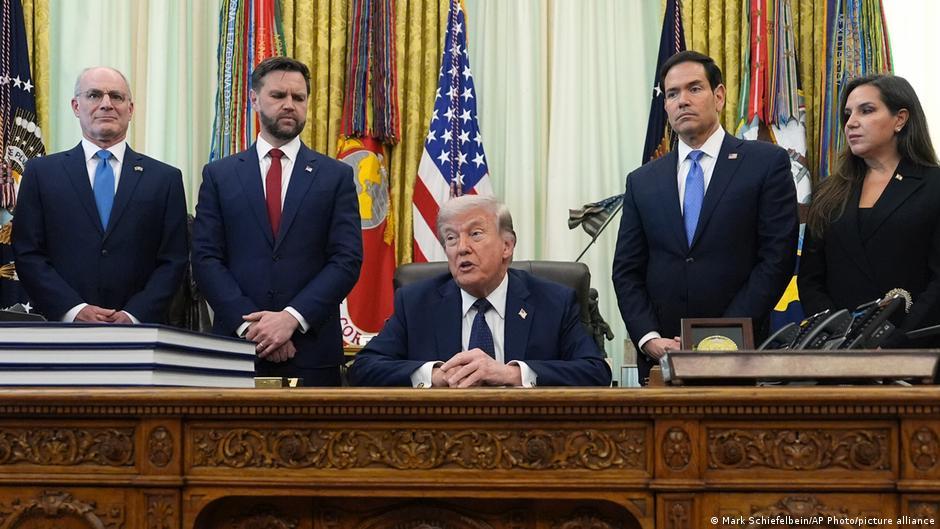
Lebanon and Israel extended their ceasefire for three more weeks after talks at the White House, with President Donald Trump announcing the extension following a meeting with Israeli and Lebanese ambassadors in the Oval Office.
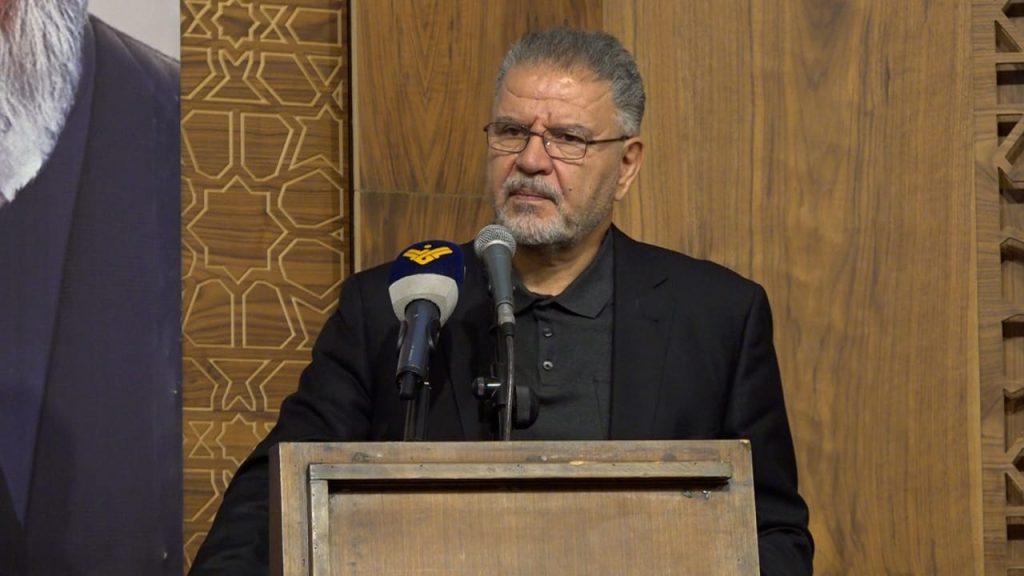
“Commenting on the announcement of a three-week extension of the ceasefire between Lebanon and the Israeli enemy, member of the Loyalty to Resistance parliamentary bloc, MP Ali Fayyad, maintained that it is crucial to emphasize that the ceasefire is meaningless as long as ‘Israel’ persists in its hostile actions, including assassinations, shelling, and gunfire, and continues its destructive campaign against Lebanese border villages and towns”
Trump said, “The United States is going to work with Lebanon in order to help it protect itself from Hezbollah,” and added, “The ceasefire between Israel and Lebanon will be extended by THREE WEEKS.”
The BBC reported that Trump said the meeting “went very well” and that the ceasefire was set to expire on Sunday before the extension.
In the same Oval Office setting, Trump said both Lebanese President Joseph Aoun and Israeli Prime Minister Benjamin Netanyahu would visit “in the coming weeks,” and he added, “They do have Hezbollah to think about.”
Hezbollah, however, dismissed the extension as meaningless, with Al-Manar TV Lebanon quoting Hezbollah lawmaker Ali Fayyad saying, “This clearly signifies an Israeli-American determination to revive the pre-March 2nd status quo.”
Reuters, as carried by Global Banking & Finance Review, reported that Hezbollah said the U.S.-mediated ceasefire was “meaningless” and pointed to continued Israeli attacks in south Lebanon while asserting the group’s right to respond.
The dispute over whether the truce is holding quickly became the central tension in the days around the extension, with multiple outlets describing continued violations even as the diplomatic process moved forward.
How the talks were staged
The extension was announced after what multiple reports described as a second round of direct negotiations in Washington, with the first round held earlier at the State Department.
Ici Beyrouth said the meeting took place Thursday inside the White House complex in Washington for a “second round of direct negotiations,” and it recalled that it followed a first round on April 14 at the State Department.
Axios reported that the Israeli and Lebanese ambassadors were scheduled to meet on Thursday with Secretary of State Marco Rubio at the State Department, but “Three hours before it was set to begin, the meeting was moved to the White House and both parties were told Trump would join.”
The Washington Post described the extension as coming during the “second round of peace talks at the White House,” with Trump and Vice President JD Vance joining participants in the Oval Office.
The Media Line said the extension was announced in a post on Truth Social and that Trump said the meeting “went very well,” adding that the United States would cooperate with Lebanon “to help it protect itself from Hezbollah.”
AP likewise reported that Trump said the meeting between the Israeli and Lebanese ambassadors to the United States “went ‘very well’” and that he acknowledged, “they do have Hezbollah to think about.”
Several outlets also listed the officials present, including Secretary of State Marco Rubio, Vice President JD Vance, and ambassadors Mike Huckabee and Michel Issa, with The Washington Post stating that Israel and Lebanon were represented by their ambassadors to the U.S. and that the U.S. ambassadors to Lebanon and Israel also participated.
Hezbollah’s rationale and retaliation
Hezbollah’s rejection of the ceasefire extension was framed as a response to continued Israeli actions, with Ali Fayyad arguing that the truce was “meaningless” as long as Israel continued “assassinations, shelling, and gunfire.”
“Skip to main content Updated 12 hours ago - World Israel-Lebanon ceasefire extended by three weeks, Trump says Barak Ravid email (opens in new window) sms (opens in new window) facebook (opens in new window) twitter (opens in new window) linkedin (opens in new window) bluesky (opens in new window) Add Axios as your preferred source to see more of our stories on Google”
Al-Manar TV Lebanon quoted Fayyad saying it is crucial to emphasize that the ceasefire is meaningless as long as ‘Israel’ persists in its hostile actions, including assassinations, shelling, and gunfire, and continues its destructive campaign against Lebanese border villages and towns.
In the same Al-Manar account, Fayyad said, “Any Israeli aggression against any Lebanese target, regardless of its nature, gives the resistance the right to respond proportionately according to the field situation.”
Global Banking & Finance Review, carrying Reuters reporting, similarly quoted Fayyad saying, “it is essential to point out that the ceasefire is meaningless in light of Israel's insistence on hostile acts, including assassinations, shelling, and gunfire” and its demolition of villages and towns in the south.
The Reuters-based report also described the background for Hezbollah’s position, saying hostilities reignited on March 2 when “the group opened fire in support of Iran in the regional war.”
The Washington Post added that Hezbollah has not officially recognized the pause in hostilities and that on Thursday it launched its first missile attack on northern Israel since the ceasefire went into effect April 16, with the IDF saying the missiles had been intercepted.
Axios and AP both described continued violations even after the initial ceasefire went into effect last Friday, with AP noting “multiple violations by both sides” and Axios reporting that shortly before Trump started his meeting, Hezbollah fired several rockets at Israeli villages along the border and the IDF then conducted airstrikes targeting the launchers.
Competing narratives inside the truce
While Trump and several diplomatic accounts emphasized the extension as a step toward formalizing peace, other reporting highlighted how the ceasefire remained contested and how each side described violations differently.
Axios framed the U.S. rationale for extending the ceasefire as advancing direct Israel-Lebanon peace talks and preventing renewed fighting from undermining the effort to reach a deal with Iran, while also noting that “Iran claims ongoing Israeli attacks in Lebanon constitute a violation of its truce with the U.S.”

The Washington Post described the ceasefire as “only tenuously observed,” saying it involved “reduced but continued attacks by Israel and Hezbollah,” and it reported that Hezbollah launched its first missile attack on northern Israel since April 16.
AP similarly said there were “multiple violations by both sides” since the initial ceasefire went into effect last Friday, even while calling the talks “the first direct diplomatic talks in decades between Israel and Lebanon.”
In contrast, Hezbollah’s position as quoted by Reuters and Al-Manar treated the extension itself as hollow, with Ali Fayyad saying the ceasefire was meaningless in light of Israel’s “assassinations, shelling, and gunfire” and “demolition of villages and towns in the south.”
The BBC described the immediate pre-talk context as Hezbollah firing rockets at northern Israel “in response to an Israeli ‘violation of the ceasefire’,” with the IDF saying it had intercepted the launches.
The Media Line and Ici Beyrouth both emphasized the political framing of the talks, with The Media Line saying Trump pointed to Hezbollah as the core issue and with Ici Beyrouth describing how Trump moved the dossier from the State Department to the White House and linked stabilization to strengthening the Lebanese state against the Shiite group.
Human toll and next steps
Beyond the ceasefire debate, the sources describe a heavy humanitarian and political backdrop that shaped what the talks were expected to achieve and what could derail them.
“Israel and Lebanon have agreed to extend their ceasefire by three weeks after talks at the White House on Thursday, according to U”
The Washington Post reported that Lebanon put the death toll from Israeli attacks since early March at 2,454, with 7,658 people wounded, while Israel said 16 of its troops had been killed and 690 wounded, and it said “More than 1.2 million Lebanese have been displaced by the fighting, most of them from the south.”
The BBC similarly said that “At least 2,294 people have been killed in Israeli attacks in Lebanon since the latest war began,” according to the Lebanese health ministry, and it added that the death toll includes 274 women and 177 children.
The BBC also reported that UN figures show “more than one million people, roughly one in five of the population, have been displaced,” with the majority from the south where Israel destroyed homes and villages.
In the middle of the diplomatic push, Euronews and other outlets also reported a funeral in southern Lebanon for Lebanese journalist Amal Khalil, killed Wednesday in an Israeli airstrike, with Prime Minister Nawaf Salam writing on X that “Targeting journalists, obstructing access to them by relief teams, and even targeting their locations again after these teams arrive constitutes described war crimes.”
The Washington Post and CBC described the same broader negotiation aims, with Aoun seeking “fully” stop Israeli attacks, withdrawal of Israeli troops, release of Lebanese prisoners held in Israel, deployment of Lebanese troops along the border, and beginning reconstruction, while also noting that Hezbollah has rejected the talks.
AP reported that Aoun said during the talks Hamadeh would ask for an end to Israeli home demolitions in villages and towns occupied by Israel after the latest war broke out on March 2, and it said the aim of future talks is to “fully” stop Israeli attacks, withdraw Israeli troops, release prisoners, deploy Lebanese troops along the border, and begin reconstruction.
More on Lebanon
Trump Extends Israel-Hezbollah Ceasefire In Lebanon By Three Weeks
11 sources compared

Trump Says Israel And Lebanon Extend Israel-Hezbollah Ceasefire By Three Weeks
18 sources compared

Hezbollah Drone Attack Injures Israeli Reservist as Israel Strikes Southern Lebanon
11 sources compared

Hezbollah Drone Attack Wounds Israeli Reservist as Rockets Strike Upper Galilee
12 sources compared