
Trump Extends U.S. Ceasefire With Iran, Keeps Naval Blockade After Pakistan Mediation
Key Takeaways
- Trump extended the Iran ceasefire at Pakistan's request.
- The U.S. maintains the naval blockade of Iran and Hormuz.
- Islamabad hosts a new round of talks between Washington and Tehran.
Ceasefire extended, blockade stays
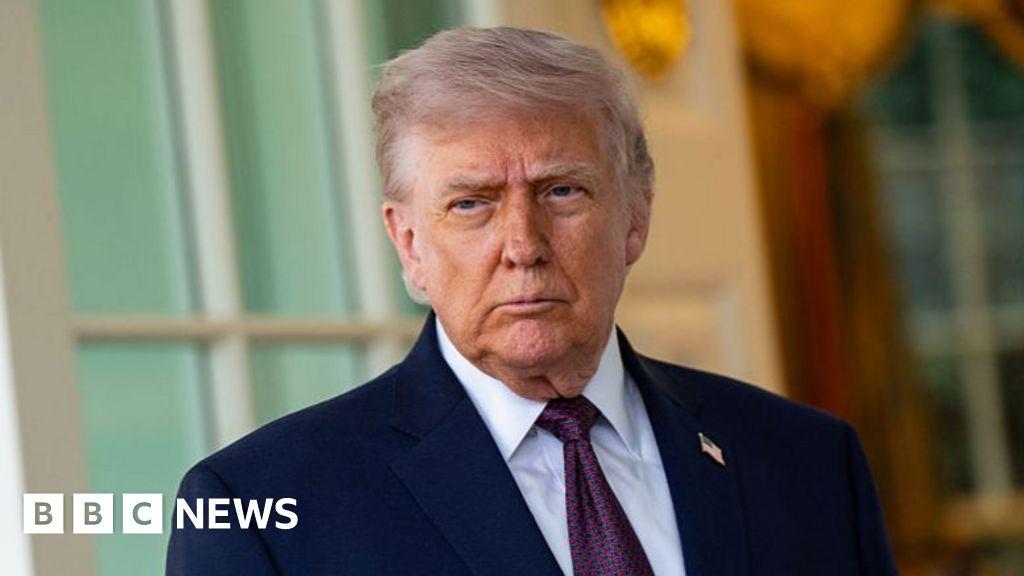
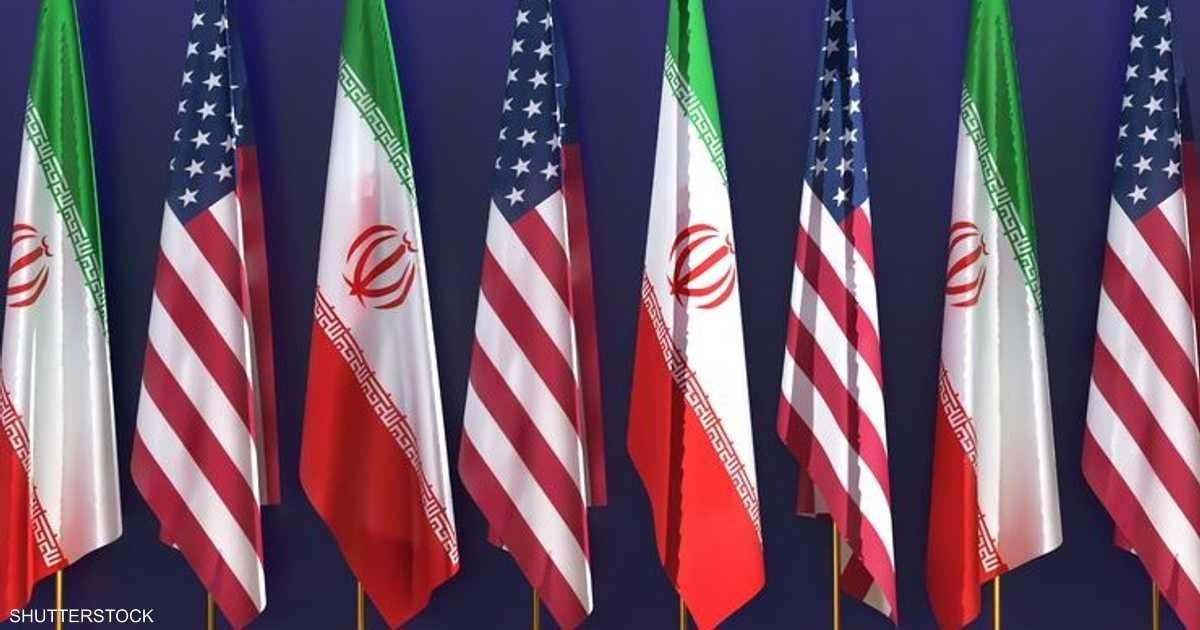
President Donald Trump announced Tuesday that the United States would extend its ceasefire with Iran, while also directing the continuation of the U.S. naval blockade of Iran’s ports.
“United States President Donald Trump has announced an extension to the ceasefire with Iran, saying that the US military will hold off its planned attack to allow more time for Tehran to put forward a proposal to end the war”
Al Jazeera reported that Trump said the U.S. military would “hold off its planned attack to allow more time for Tehran to put forward a proposal to end the war,” and that the move came “at the request of Pakistani mediators.”

Al Jazeera added that “The truce was set to expire on Wednesday,” and that Trump’s social media post said, “I have therefore directed our Military to continue the Blockade and, in all other respects, remain ready and able, and will therefore extend the Ceasefire until such time as their proposal is submitted, and discussions are concluded, one way or the other.”
The AP similarly described Trump’s decision as an “indefinitely extending its ceasefire with Iran,” noting it was announced “a day before it was to expire” as a “new round of peace talks was on hold.”
The Washington Post said Trump pledged to refrain from attacks until discussions with Tehran “are concluded, one way or the other,” and said talks set to take place in Pakistan were postponed amid uncertainty.
The Detroit News framed the extension as indefinite and tied it directly to the submission of an Iranian proposal, quoting Trump’s explanation that he agreed to Pakistan’s request “to hold our Attack on the Country of Iran until such time as their leaders and representatives can come up with a unified proposal.”
Across outlets, Iran did not immediately respond: Al Jazeera said “Iran did not issue an immediate response,” while the AP said “Iran has not yet responded to Trump’s announcement of the ceasefire extension.”
Pakistan mediates as talks shift
Multiple reports tied the ceasefire extension to Pakistan’s mediation efforts and to shifting timelines for a second round of negotiations in Islamabad.
Al Jazeera said the extension came “at the request of Pakistani mediators,” and that Pakistani Prime Minister Shehbaz Sharif expressed gratitude to Trump, saying he “sincerely hope that both sides will continue to observe the ceasefire and be able to conclude a comprehensive ‘Peace Deal’ during the second round of talks scheduled at Islamabad for a permanent end to the conflict.”

The AP reported that Pakistan “had planned to host a second round of talks,” but that “the White House put on hold Vice President JD Vance’s planned trip to Islamabad as Iran rebuffed efforts to restart negotiations,” while also noting that “Sharif later thanked Trump for his “gracious acceptance” of Pakistan’s request.”
Arab News described Pakistan urging the U.S. and Iran to extend the ceasefire as talks loom, saying “Decision from Iran to attend the talks before the end of two weeks ceasefire is critical,” and that “neither Washington nor Tehran has publicly confirmed the timing.”
The Canberra Times added that Vice President JD Vance “had yet to board a flight for Islamabad,” and said a White House official stated Vance would “participate in additional meetings in Washington DC on Tuesday.”
The Times of Israel described a sequence in which a second round of talks was planned for Tuesday, then pushed to Wednesday, and then delayed indefinitely by Trump, with the U.S. and Pakistan awaiting Iran’s response.
In the background of these diplomatic moves, the AP said Trump’s envoy Steve Witkoff and Jared Kushner were expected in Washington for consultations, and that a U.S. official cautioned Trump “could change his mind on negotiating with Iran at any time.”
Iran rejects blockade, threatens oil
While Trump extended the ceasefire, Iranian officials and negotiators continued to frame the U.S. blockade as unacceptable and as a violation of the ceasefire.
“Trump says the US will extend its ceasefire with Iran at Pakistan’s request Trump says the US will extend its ceasefire with Iran at Pakistan’s request ISLAMABAD (AP) — President Donald Trump said Tuesday the United States was indefinitely extending its ceasefire with Iran — a day before it was to expire — as a new round of peace talks was on hold”
Al Jazeera reported that Iran’s Minister of Foreign Affairs Abbas Araghchi called blockading Iranian ports an “act of war” and a violation of the existing ceasefire, adding that “Iran knows how to neutralize restrictions, how to defend its interests, and how to resist bullying.”
The AP said Iranian Foreign Ministry spokesman Esmail Baghaei told Iran’s state TV there has been “no final decision” on whether to agree to more talks because of “unacceptable actions” by the U.S., apparently referring to the U.S. blockade of Iranian ports.
The AP also described a senior commander in Iran’s Islamic Revolutionary Guard Corps threatening to destroy the region’s oil industry if war with the U.S. resumes, quoting Gen. Majid Mousavi: “If southern neighbors allow the enemy to use their facilities to attack Iran, they should say goodbye to oil production in the Middle East region.”
Al Jazeera Net said the fallout from Iran’s armed forces and the Islamic Revolutionary Guard Corps’ closure of the Strait of Hormuz continued alongside the U.S. naval blockade of Iranian ports.
The Media Line reported that Iranian negotiators informed U.S. counterparts through an intermediary in Pakistan that they would not attend the talks, citing Tasnim’s account that “Iran ultimately announced today that under these circumstances, attending the negotiations is a waste of time because the US prevents reaching any suitable agreement.”
The Canberra Times added that Baghaei described the boarding of the tanker and the seizure of a separate cargo ship as “piracy at sea and state terrorism,” which he said called into question the seriousness of the U.S. in negotiating.
U.S. pressure at sea, oil stakes
The ceasefire extension unfolded alongside continued U.S. maritime pressure and fresh incidents at sea that both sides used to argue about negotiation seriousness.
The AP reported that the U.S. said its forces boarded an oil tanker previously sanctioned for smuggling Iranian crude oil in Asia, stating the Pentagon said the boarding of the M/T Tifani “without incident,” and that “international waters are not a refuge for sanctioned vessels.”
The AP also said the U.S. military on Sunday seized an Iranian container ship, the first interception under the blockade, and that Iran’s joint military command called the armed boarding.
Al Jazeera Net described ongoing U.S. naval blockade of Iranian ports and said Washington announced it had seized “a second Iranian vessel in a single day,” presenting it as an escalation of maritime pressure.
The Canberra Times described the tanker boarding as “without incident” and said the vessel last reported its position on Tuesday morning as near Sri Lanka in the Indian Ocean, citing MarineTraffic tracking data.
It also said the tanker was “close to fully loaded with two million barrels of crude” and had signalled Singapore as its destination.
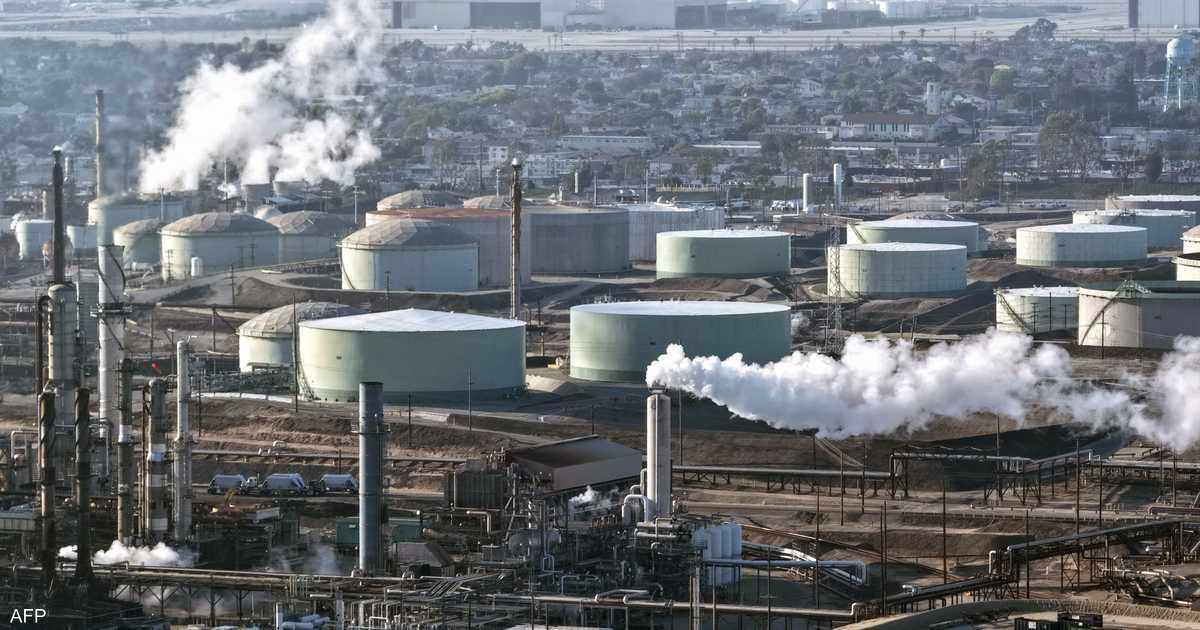
In parallel, the AP emphasized the strategic importance of the Strait of Hormuz, saying the U.S. imposed the blockade to pressure Tehran into ending its “stranglehold on the Strait of Hormuz,” a key shipping lane through which “20% of the world’s natural gas and crude oil transits in peacetime.”
What each side wants next
As negotiations in Islamabad remained uncertain, the sources laid out the core demands and the conditionality each side attached to any deal.
Al Jazeera Net said Washington was presenting “three main demands,” listing them as “stop the nuclear program completely,” “curb missile capabilities,” and “stop supporting regional allies,” while it said Tehran viewed negotiations as an opportunity to reshape regional balances through a package that included “lifting sanctions on Iran” and “releasing frozen financial assets exceeding 120 billion dollars,” along with “insisting on the right to uranium enrichment and rejecting surprise inspections.”

The same Al Jazeera Net report said “moderate proposals” were on the table, including “suspending enrichment or uranium swapping or moving it outside Iran,” aimed at narrowing the gap.
The AP described the U.S. seeking “a complete shutdown of Iran’s nuclear programme” and limits on “missile production” and support for regional allies including “Hezbollah and Hamas,” while Tehran insisted on its right to enrich uranium domestically as part of a civilian nuclear programme and ruled out using military capabilities and regional alliances as concessions.
The AP also identified another sticking point as Iran’s “existing stockpiles of highly enriched uranium,” and said Trump claimed Tehran agreed to U.S. extracting nuclear material from bombed sites, while Iran said it would not allow the uranium.
In parallel, the AP said Iran’s envoy to the United Nations, Ambassador Amir Saeid Iravani, told reporters that Tehran had “received some sign” that the U.S. is ready to stop its blockade of Iranian ports, but that “ending the blockade remains a condition for Iran to rejoin peace talks.”
Even as the ceasefire extension bought time, Al Jazeera Net’s analysis said the “most likely scenario is partial success of the negotiations through a framework agreement, not a final solution,” and that Washington “may consider merely halting the war or weakening Iranian capabilities a political success.”
More on Iran

Donald Trump Extends Iran Ceasefire Until Peace Talks End, Keeps Blockade of Iranian Ports
10 sources compared
Donald Trump Indefinitely Extends Ceasefire With Iran While U.S. Blocks Iranian Ports
15 sources compared
Trump Extends Iran Ceasefire Indefinitely, Orders U.S. Military To Continue Blockade
11 sources compared
Donald Trump Extends U.S. Ceasefire With Iran, Orders Naval Blockade to Continue
15 sources compared