
Trump Extends U.S.-Iran Ceasefire Until Iran’s Unified Proposal, Amid Islamabad Talks Uncertainty
Key Takeaways
- Trump extended the Iran ceasefire until negotiations conclude.
- Islamabad-hosted talks mediated by Pakistan continue amid uncertainty about a deal.
- No agreement reached after Islamabad talks, with negotiators unable to finalize terms.
Ceasefire extended, talks uncertain
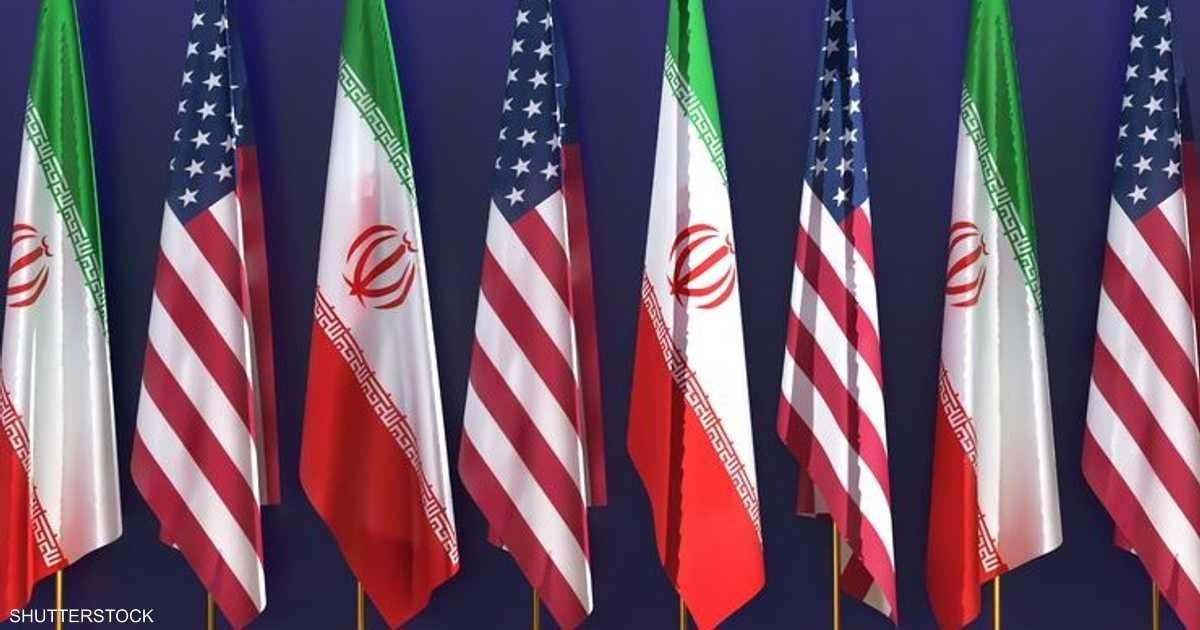
President Donald Trump extended a U.S.-Iran ceasefire on Tuesday, hours before it was set to expire, while negotiations remained in uncertainty around a second round of talks in Islamabad, Pakistan.
“By Marco Silva and Joshua Cheetham In a post on his Truth Social platform on Monday night, President Donald Trump said the Iranian leadership has “forced hundreds of ships” towards oil-rich US states, such as Texas, Louisiana, and Alaska”
The New York Times reported that the pause in hostilities had been set to expire within hours and that Trump said he was extending it after receiving a request from Pakistan to hold off any attacks.
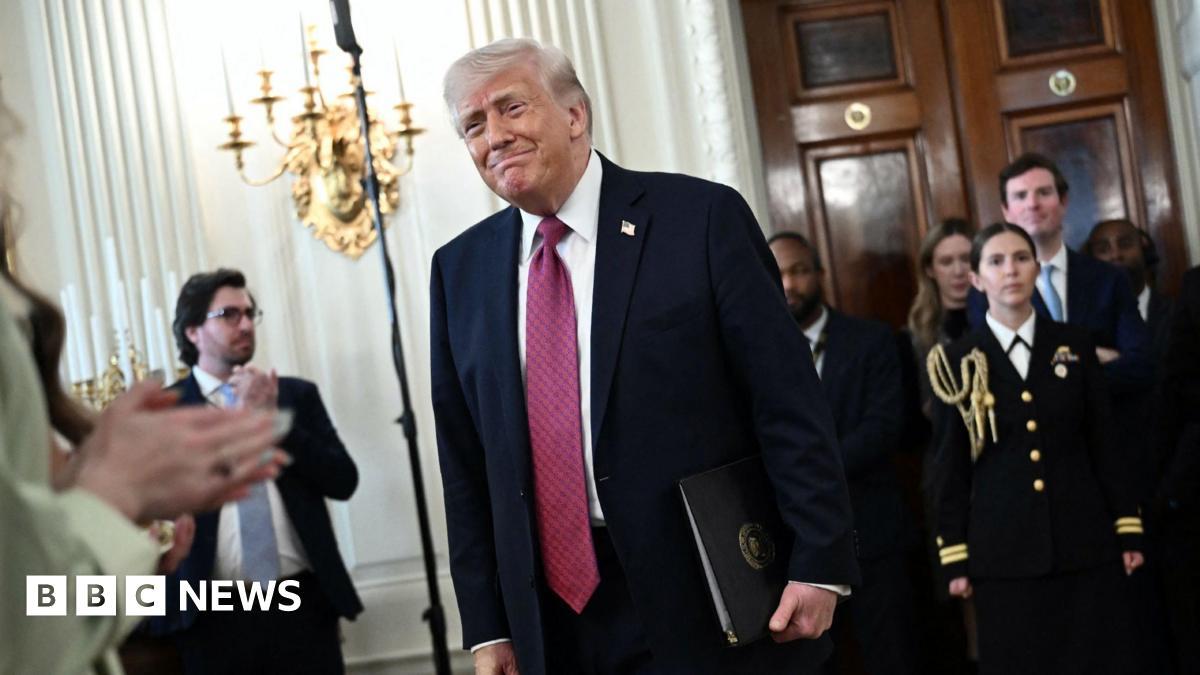
In a Truth Social post, Trump said the extension would last until Iran’s “leaders and representatives can come up with a unified proposal,” while the U.S. continued to blockade Iranian ports.
CNN said Trump extended the ceasefire “until peace talks have ended,” contradicting his prior vow not to prolong the truce, and added that the U.S. would continue to blockade Iranian ports, which Iran’s foreign minister previously said amounted to an “act of war.”
The Guardian similarly described Trump’s rationale as waiting for a unified proposal from Tehran, while maintaining the blockade and putting on hold Vice President JD Vance’s planned trip to Pakistan.
CBS News framed the same moment as Trump announcing he was extending the ceasefire “until such time as their leaders and representatives can come up with a unified proposal,” despite previously saying he wouldn’t move the deadline.
The New York Times and CNN both emphasized the timing—hours before expiry—and the continued blockade as part of the conditions.
The BBC added that Trump had also posted on Truth Social about the Iranian leadership “forced hundreds of ships” toward oil-rich U.S. states, such as Texas, Louisiana, and Alaska, while shipping analysts linked Iran’s Strait of Hormuz closure to demand for U.S. crude oil.
Blockade, threats, and leverage
Across the coverage, the ceasefire extension did not soften the U.S. posture on the blockade or the rhetoric about what happens if talks fail.
CNN said Trump would continue to blockade Iranian ports, and it noted that Iran’s foreign minister had previously said that blockade amounted to an “act of war.”

The Guardian quoted Trump directing the U.S. military to “continue the Blockade and, in all other respects, remain ready and able,” while extending the ceasefire until Iran’s proposal was submitted and “discussions are concluded, one way or the other.”
NBC News reported that Trump threatened retaliation if Iran did not negotiate, saying, “Well, they’re going to negotiate. And if they don’t, they’re going to see problems like they’ve never seen before,” and it also said Trump threatened to “knock out every single Power Plant, and every single Bridge, in Iran” if there is no deal.
CBS News included Trump’s argument that if the U.S. ends blockade “there can never be a Deal with Iran, unless we blow up the rest of their Country,” and it repeated his Truth Social claim that Iran only wants the Strait of Hormuz open because the U.S. has it “totally BLOCKADED (CLOSED!).”
The New York Times said Iran’s foreign minister, Abbas Araghchi, called the blockade an “act of war,” and it reported that Iran demanded U.S. forces allow its vessels free passage.
The New York Times also described the first response from Iran as dismissive, quoting an adviser to Mohammad Bagher Ghalibaf, Mahdi Mohammadi, writing, “The extension of the cease-fire by Donald Trump has no meaning. The losing side cannot set the terms.”
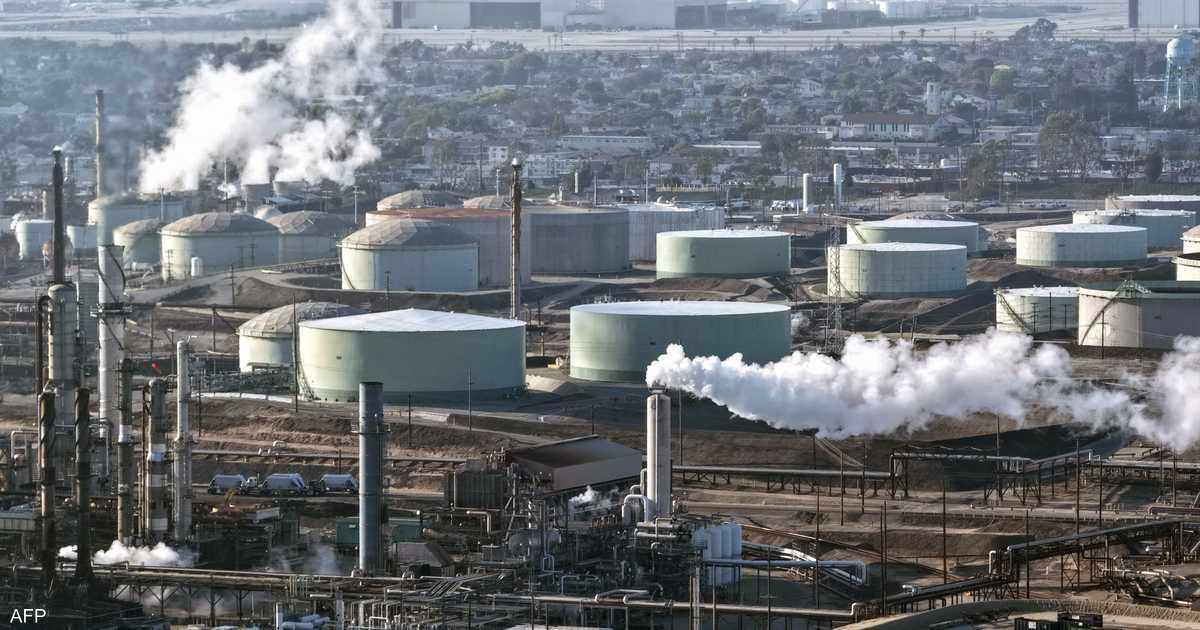
The BBC reported that shipping disruptions tied to the Strait of Hormuz closure were driving demand for U.S. crude oil, with Kpler suggesting 71 VLCCs are headed to the US compared with an average of 27 on any given day last year.
Iranian internal fractures and responses
Several outlets tied the ceasefire extension and the shifting negotiation posture to Iran’s internal divisions and to uncertainty about who could authorize a unified position.
CNN said the U.S. administration was dealing with “virtual silence from the Iranians” ahead of now-canceled talks in Pakistan, and it reported that Trump’s top aides believed a main reason they didn’t hear back was “fractures within the current Iranian leadership.”
CNN also said the administration’s sense was that the Iranians lacked consensus on their position and on how much to empower negotiators on uranium enrichment and the country’s current stockpile of enriched uranium.
The New York Times similarly described the first response from Iran as coming from an adviser to Mohammad Bagher Ghalibaf, and it quoted Mahdi Mohammadi dismissing the extension as having “no meaning.”
The Guardian described Trump’s justification as based on the fact that the Government of Iran is “seriously fractured,” and it said the extension was requested by Pakistan’s Field Marshal Asim Munir and Prime Minister Shehbaz Sharif.
CNN said Iran’s UN envoy believed talks would happen if the U.S. ends its blockade, and it also reported that an Iranian senior adviser said the extension “means nothing” and Tehran should respond militarily.
NBC News reported that Iran’s foreign ministry condemned the U.S. seizure of an Iranian-flagged cargo ship as “piracy” and an “act of aggression” and demanded the crew be immediately released.
The BBC connected the Strait of Hormuz closure to shipping disruptions and oil market effects, including that in the week ending 10 April shipments reached 5.2 million barrels per day, the highest level in seven months.
Diplomatic choreography and UN reaction
While the U.S. extended the ceasefire, the diplomatic choreography around who would travel and when became a central point of uncertainty.
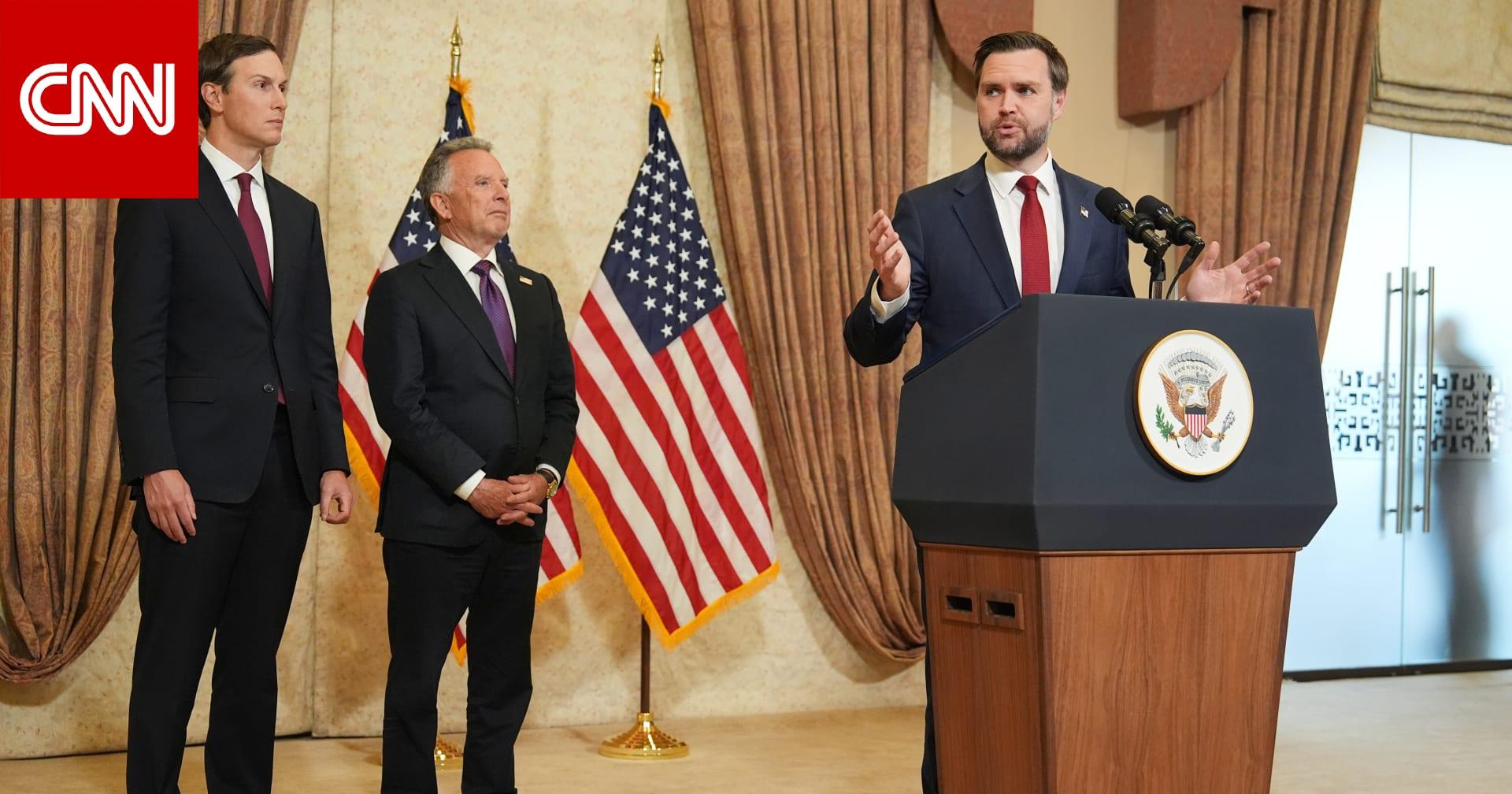
CNN reported that Vice President JD Vance’s trip to Islamabad to lead talks with Iran was called off for the day, citing a White House official, and it said the U.S. had sent Iran a list of broad deal points it wanted the Iranians to agree to in advance.

The Guardian said the move came as the White House put on hold JD Vance’s planned trip to Pakistan for a second round of truce talks with Iran, which had balked at further discussions.
CBS News similarly said Vance is expected to lead the U.S. delegation in negotiations with Iran in Islamabad if talks resume, and it also said Vance will not travel to Pakistan on Tuesday.
The New York Times described the ceasefire extension as a departure from Trump’s earlier comments that he expected to be bombing if Iran did not agree to U.S. demands, and it said the announcement came after Vance’s trip to Pakistan was put on hold because Tehran had failed to respond to American positions.
In the background, the United Nations welcomed the extension as a step toward de-escalation and diplomacy, quoting António Guterres saying it was “an important step toward de-escalation.”
The Guardian and CBS News both highlighted Scott Bessent’s blockade-linked pressure, including the claim that “in a matter of days, Kharg Island storage will be full.”
The BBC’s excerpt connected the Strait of Hormuz disruption to oil market impacts, including that shipments reached 5.2 million barrels per day in the week ending 10 April.
Stakes across the region
The ceasefire extension and the uncertainty around talks were embedded in a wider regional conflict and in immediate operational actions at sea, with multiple outlets describing how the U.S. and Iran continued to posture militarily.
“(CNN) -- Two delegations, American and Iranian, met in Islamabad, Pakistan, on Saturday to hold talks aimed at ending the war, but no agreement was reached after 21 hours of negotiations”
The Guardian’s live coverage placed the Iran negotiations alongside other developments, including that Hezbollah said it had fired rockets and drones at Israeli forces maintaining a buffer zone in southern Lebanon and that Israel responded by saying it had struck the launcher.
The Guardian said Britain would host military planners from over 30 countries for two days of talks starting Wednesday on a multinational mission led by the UK and France to protect navigation in the strait of Hormuz.
NBC News described the operational trigger for renewed tensions as the U.S. seizure of an Iranian-flagged cargo ship, saying Iran’s military vowed to retaliate after the U.S. Navy fired on and seized the ship near the Strait of Hormuz as part of the American military blockade.
NBC News quoted Iran’s foreign ministry condemning the seizure as “piracy” and an “act of aggression,” and it said the ministry demanded the crew be immediately released.
The New York Times reported that the threat of Iranian attacks had throttled shipping traffic through the strait and that the U.S. Navy said it has forced 28 ships to turn around.
NBC News added a death toll snapshot, saying Iran’s forensics chief said nearly 3,400 people had been killed in the country since U.S.-Israeli strikes began Feb. 28.
The BBC’s excerpt reinforced the stakes by reporting that shipping disruptions since the start of the U.S.-Israel war with Iran on 28 February had driven demand for U.S. crude oil, with Kpler suggesting 71 VLCCs were headed to the U.S. and Drewry saying shipments reached 5.2 million barrels per day in the week ending 10 April.
More on Iran

Donald Trump Extends Iran Ceasefire Until Peace Talks End, Keeps Blockade of Iranian Ports
10 sources compared
Donald Trump Indefinitely Extends Ceasefire With Iran While U.S. Blocks Iranian Ports
15 sources compared
Trump Extends Iran Ceasefire Indefinitely, Orders U.S. Military To Continue Blockade
11 sources compared
Donald Trump Extends U.S. Ceasefire With Iran, Orders Naval Blockade to Continue
15 sources compared