
Trump Faces May 1 War Powers Deadline To Continue War On Iran After Ceasefire Extension
Key Takeaways
- Ceasefire extended; some report three-week extension, others report no resumption date.
- Trump says there is no time frame for Iran war and awaiting Iran's proposal.
- Maritime standoff persists with ship seizures and threats in the Strait of Hormuz.
Deadlines and the War Powers
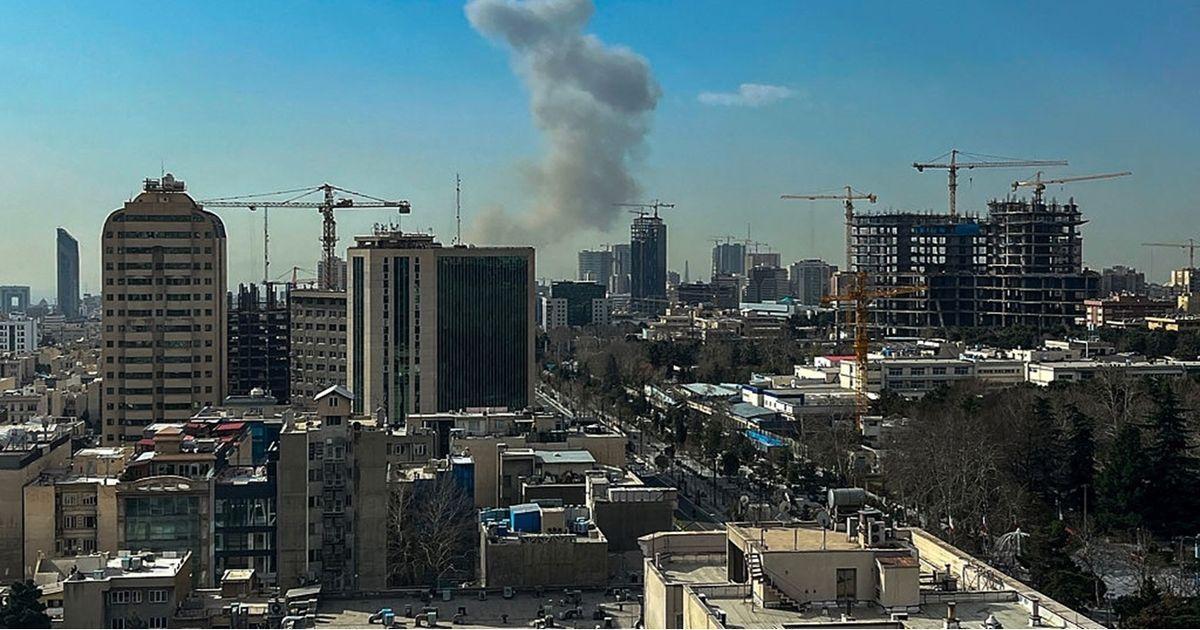
In Washington, the question of whether President Donald Trump can continue his war on Iran after a ceasefire extension is now tied to a domestic deadline in the US Congress under the War Powers Resolution.
“Iran war: Trump's pattern of setting unenforced deadlines The latest ceasefire extension did not come with a new date”
Al Jazeera reports that Trump “has until May 1 to obtain congressional approval under the War Powers Resolution,” explaining that the law requires a joint resolution passed by both the House of Representatives and the Senate “within that 60-day limit.”

The same Al Jazeera account lays out the mechanism: the president must inform Congress within 48 hours of initiating military action and may sustain deployments for only 60 days unless Congress grants a single 30-day extension or passes authorization for longer.
It also quotes associate professor of law Maryam Jamshidi of Colorado Law School saying that to extend the 60-day window by 30 days, the president must certify “in writing” that continuing armed force is the result of “unavoidable military necessity.”
Jamshidi adds that “Beyond this 90 [day] window, the president is required to terminate the deployment of US armed forces if Congress has not declared war or otherwise authorised continuing military action.”
Al Jazeera further notes that “there is no clear legal avenue for Congress to successfully force the president to abide by this termination requirement,” and that past presidents have refused, claiming the termination requirement is unconstitutional.
The article then turns to the political math, saying it is “far from certain that Congress will authorise continued military action against Iran because of deep divisions between Democrats and Republicans in the chamber,” and it cites a Senate vote on April 15 where a bipartisan bid to curb Trump’s authority failed 52-47.
Congressional voices and unease
The War Powers deadline is being debated through sharp, named statements from both parties, with Democrats pressing for oversight and Republicans emphasizing constitutional limits.
Al Jazeera quotes Democrat Senator Chris Murphy saying, “We should not fail to note how extraordinary it is that our Senate Republican leadership has declined to do any oversight of a war that is costing billions of dollars every week.”

It also includes Republican Senator John Curtis’s position that he “will not support ongoing military action beyond a 60-day window without congressional approval,” adding, “By law, we’ve got to either approve continued operations or stop.”
Another Republican voice in the same Al Jazeera report is Republican Congressman Don Bacon, who tells US media, “If it’s not approved, by law, they have to stop their operations.”
The article also describes how some Republicans who have “steadfastly supported Trump’s actions in Iran” are “showing unease” about the prospect of a protracted war, with the possibility that votes could change if the conflict extends past 60 days.
In parallel, CNN’s live updates describe the same congressional pressure point from a different angle, stating that “For the fifth time this year, the Senate rejected a measure aimed at restricting Trump’s war powers by requiring congressional approval for any future military action in Iran,” with a vote of “46 to 51.”
CNN’s account also says the US Central Command redirected “31 vessels to return to port or turn around as part of the ongoing US blockade against Iran,” tying the legislative fight to operational realities at sea.
Blockade, mines, and seized ships
While Congress debates whether military deployments can continue, the operational record described by multiple outlets shows an intensifying maritime standoff centered on the Strait of Hormuz.
NBC News reports that Trump ordered the US military to “shoot and kill” Iranian boats laying mines in the strait of Hormuz and said the US would “intensify its efforts to clear mines that have helped choke off global shipping.”
The same NBC account says the intensifying standoff leaves the trade route “effectively shut,” and it adds that the US also boarded another tanker it said was involved in smuggling Iranian oil.
CNN’s live updates describe the blockade mechanics, saying US forces redirected “31 vessels to return to port or turn around” as part of the ongoing US blockade, with “Most of the redirected vessels” being oil tankers.
BBC describes the standoff as a “war of blockades” in which “both sides using force to intercept and seize commercial vessels,” and it says the “mood” in the waterway is “combustible.”
Al Jazeera adds that Trump’s extension of the ceasefire did not remove pressure, stating that the US would continue its “near-one-week blockade on Tehran” and wait for Iran’s “proposal” for further talks.
The Guardian’s live snapshot similarly describes US actions in the strait, including Trump’s earlier order for the US navy to “shoot and kill” small Iranian boats that deploy mines and the claim that US minesweepers “are clearing the strait right now.”
Different frames of the same ceasefire
Even when the underlying events are shared—ceasefire extensions, pressure at sea, and ongoing negotiations—outlets frame the story differently, emphasizing either legal deadlines, diplomatic process, or military posture.
Al Jazeera centers the question of whether Trump can continue after May 1, describing the War Powers Resolution and quoting Maryam Jamshidi on the “unavoidable military necessity” certification and the “Beyond this 90 [day] window” termination requirement.
CNN, by contrast, focuses on Trump’s insistence that there is “no time frame” for the conflict and reports that the US Navy shakeup came as “the US Navy continues its blockade of Iranian ports during the ceasefire,” including that Navy Secretary John Phelan was “ousted” with his departure “effective immediately.”
The Guardian’s live account foregrounds Trump’s messaging to reporters, quoting him saying “Don’t rush me” when asked how long he was willing to wait for a long-term peace deal with Iran, and it also reports Trump’s claim that he “hit about 75% of our targets” in Iran.
BBC frames the same ceasefire persistence through Pakistan’s diplomatic role, describing Islamabad waiting for “Iranian and American representatives to arrive for peace talks” and quoting Prime Minister Shehbaz Sharif posting that Pakistan would “continue its earnest efforts for negotiated settlement of the conflict.”
ABC News emphasizes a pattern of deadlines, describing how Trump set multiple unenforced deadlines and quoting his social media warning that “If Iran doesn't FULLY OPEN, WITHOUT THREAT, the Strait of Hormuz... the United States of America will hit and obliterate their various POWER PLANTS.”
Fox News adds a domestic political-cultural lens by quoting Joe Rogan’s critique that Trump’s strategy “doesn’t make sense,” while also reporting Trump’s extension of the ceasefire and continued naval blockade.
What comes next for the US
Looking ahead, the sources describe multiple next steps that could determine whether the US maintains pressure or shifts toward a negotiated path, with both legal and operational timelines in play.
Al Jazeera says Trump’s near-one-week blockade on Tehran would continue while the US waits for Iran’s “proposal” for further talks, and it ties the ability to keep deploying to the War Powers deadline of May 1 and the need for congressional approval through a joint resolution.
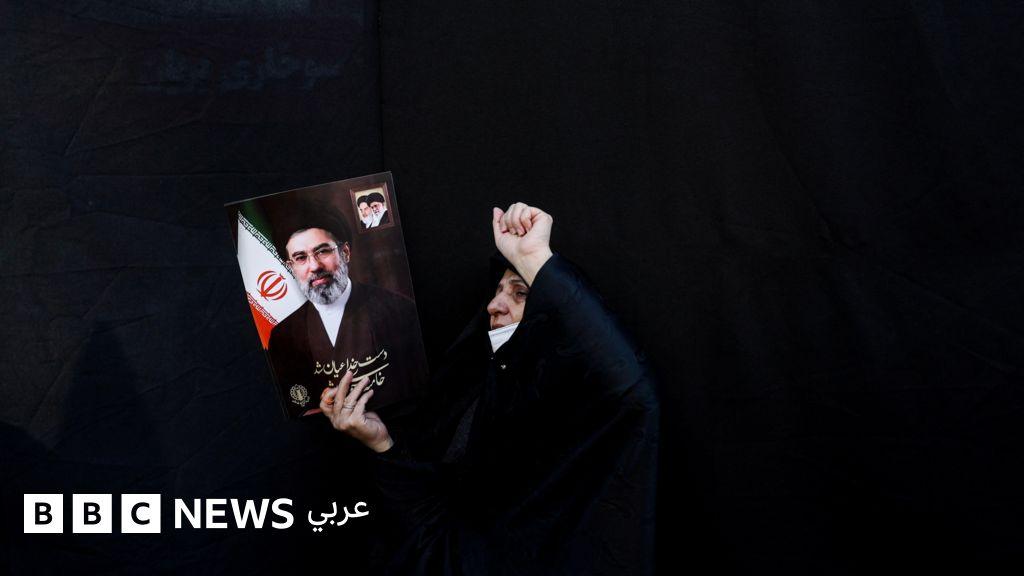
CNN reports that US Central Command redirected “31 vessels” as part of the blockade, and it also says Pentagon officials briefed lawmakers that it could take “up to six months” to fully clear the Strait of Hormuz of mines after the war ends.
NBC News reports that Italy’s navy chief of staff Giuseppe Berutti Bergotto told RAI that Italy is ready to deploy up to four vessels—“two minesweepers, an escort vessel and a logistics vessel”—as part of an international coalition.
The Guardian reports that Trump said the US had “hit about 75% of our targets” in Iran and that Iran’s leadership was “in turmoil,” while also stating that any attempts by Iran to lay more mines would constitute a violation of the ceasefire.
BBC describes Pakistan’s diplomatic effort as ongoing, with Shehbaz Sharif saying Pakistan would “continue its earnest efforts” and with Islamabad still waiting for Iranian and American representatives to arrive for peace talks.
Fox News adds that Trump extended the ceasefire while holding onto its naval blockade in the Strait of Hormuz, and it includes Joe Rogan’s warning that “no one f---ing knows” whether the ceasefire will hold.
More on USA

Trump Administration Considers Suspending Spain From NATO Over Iran War Support
15 sources compared
Pentagon Email Outlines Options To Suspend Spain From NATO Over Iran War Access
16 sources compared

DOJ Ends Criminal Probe Into Fed Chair Jerome Powell, Clearing Way for Kevin Warsh
22 sources compared
Pentagon Email Sparks NATO Dispute as U.S. Seeks Spain Suspension Over Iran War Stance
44 sources compared