
Trump Fights GOP Over No-Excuse Absentee Voting as SAVE America Act Advances
Key Takeaways
- SAVE Act requires citizenship proof to register and photo ID to vote, ending no-excuse voting.
- Trump frames mail-in voting as corrupt and prioritizes the SAVE Act in the Senate.
- Senate moves to begin marathon debate despite GOP opposition.
Trump GOP Rift
President Trump is facing significant Republican opposition within his own party over the SAVE America Act.
“President Donald Trump on Tuesday blasted mail-in voting as "corrupt as hell" as the SAVE America Act heads to the Senate floor for debate”
His last-minute demands to eliminate no-excuse absentee voting are causing friction among GOP senators.
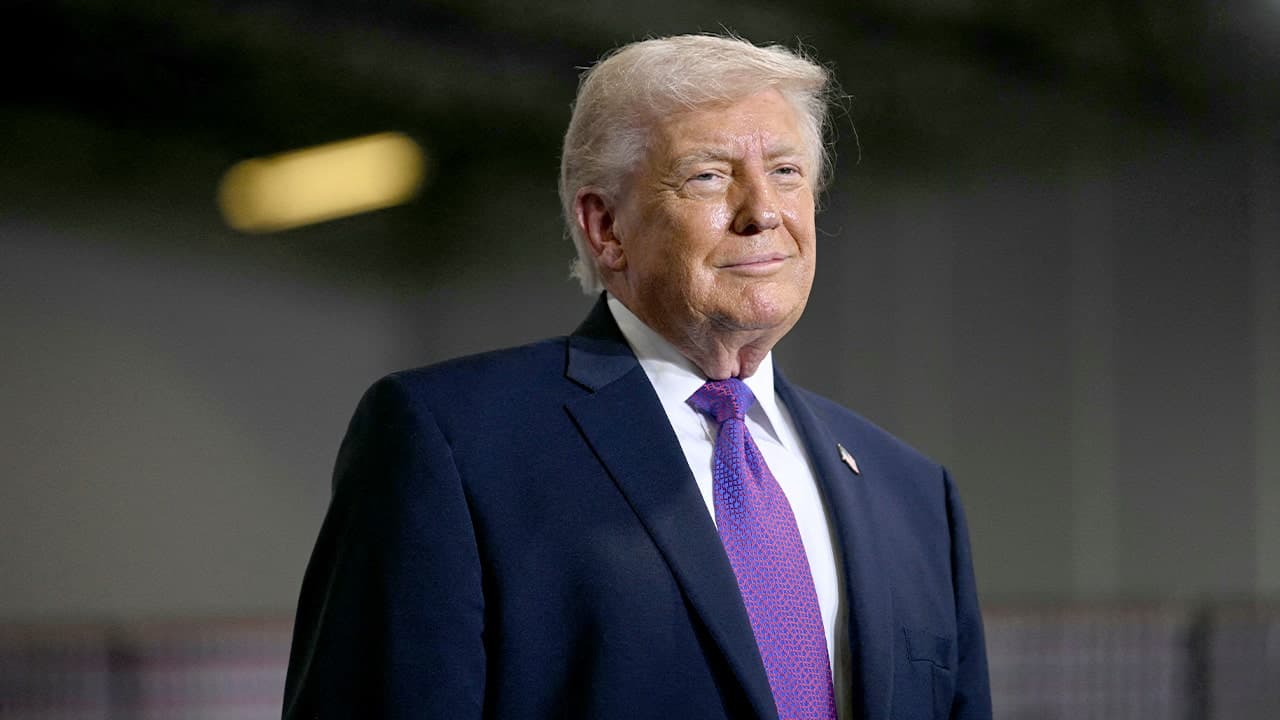
Trump's push to strengthen the bill by adding restrictive voting provisions has reportedly "p--ed off" some Republican senators.
This internal GOP conflict highlights a growing divide between Trump's hardline stance and more moderate Republicans.
Moderate Republicans recognize the political risks of alienating voters who rely on absentee ballots.
This is particularly concerning in rural areas where GOP-leaning constituents would face travel burdens.
The bill's passage potentially faces jeopardy due to this internal Republican conflict.
Senate Vote Tactics
The SAVE America Act advanced in the Senate with a 51-48 vote to proceed.
Key Republican members including Sens. Tillis and Murkowski signaled opposition to the bill.

Sen. Mitch McConnell voted to begin debate despite telling colleagues he doesn't support the measure.
The procedural victory sets up a week-long floor debate for the legislation.
Trump's allies hope to build momentum during this extended debate period.
Senate Majority Leader John Thune implemented a "hybrid approach" for the debate process.
This approach allows extensive debate while maintaining Republican control to block Democratic amendments.
Rural GOP Concerns
Republican senators from rural states express significant concerns about Trump's push to eliminate no-excuse absentee voting.
“byAlexander Bolton03/17/26 06:00 AM ET President Trump’s push to eliminate voting by mail without excuses such as illness or military duty, a component of the Safeguard American Voter Eligibility (SAVE America) Act, has put him on a collision course with Republicans from states where absentee voting is widespread and popular”
They warn that such restrictions would disproportionately affect GOP-leaning voters in remote areas.
An anonymous Republican senator called Trump's call "problematic" and concerning.
The senator noted that in some states "60 or 70 percent of people vote by mail".
Eliminating this option would disenfranchise large numbers of voters, according to the senator.
Republican states like Montana and Utah have historically promoted absentee voting.
This contradicts Trump's stance and suggests his position goes against Republican policy in many states.
This internal opposition reflects a pragmatic understanding that voting restrictions could backfire politically.
Democratic Opposition
Democrats are strongly opposing the SAVE America Act.
Senate Democratic Leader Chuck Schumer denounced it as "pernicious" and "radical" legislation.
Schumer argued that Republicans are focusing on "voter suppression" instead of pressing national issues.
He noted that "war is consuming the Middle East" and "job growth in America is weakening."
Schumer directly connected Trump's push to political calculations about the midterms.
He stated "We all know why Donald Trump wants this bill. He is afraid Republicans will lose in November."
Schumer highlighted Trump's own statements about the bill's electoral importance.
Trump told House Republicans that passing the SAVE Act "will guarantee the midterms."
Trump warned of "big trouble" if they failed to get the bill passed.
Bill Provisions
The SAVE America Act contains several key voting restrictions central to the political debate.
“The Senate voted Tuesday to begin a long and contentious debate over the SAVE America Act, a bill that would require people to show documented proof of citizenship when registering to vote and a photo ID when casting a ballot”
These include provisions requiring proof of citizenship for registration and photo IDs for voting.
Senate Majority Leader John Thune defended these measures as necessary for election integrity.
Thune argued that "Polls show that the American people overwhelmingly agree" with such requirements.
He challenged Democratic objections by comparing voting ID requirements to other situations where photo ID is routinely required.
Trump's most controversial demand has been his push to eliminate no-excuse absentee voting.
He outlined this demand in a Truth Social post on March 9.
This provision has created the most significant rift within the Republican party.
Multiple senators expressed concern it would disenfranchise voters and create political problems.
This is particularly true in states with high rates of mail-in voting.
More on USA
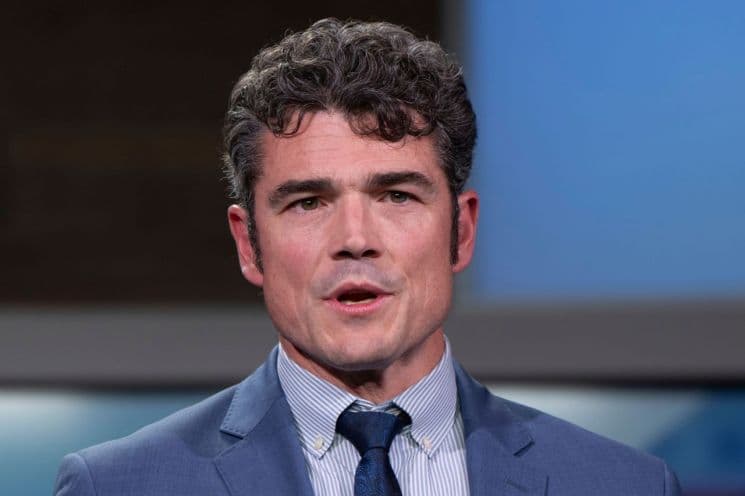
FBI investigates Joe Kent, former National Counterterrorism Center director, for allegedly leaking classified information.
81 sources compared

Lt. Gov. Juliana Stratton Wins Illinois Democratic Senate Primary to Replace Durbin
171 sources compared

Senators Grill Mullin Over DHS Nomination as Intel Officials Testify on Top Threats
91 sources compared

César Chávez Faces Sexual Abuse Allegations, Including Rape of Dolores Huerta and Other Survivors
34 sources compared