South America09 January, 20263 min read
Trump Forces Venezuelan Interim Government To Release Political Prisoners
This article is an automated aggregation of coverage from news outlets. Our editorials offer in-depth analysis curated by the NewsCord team.
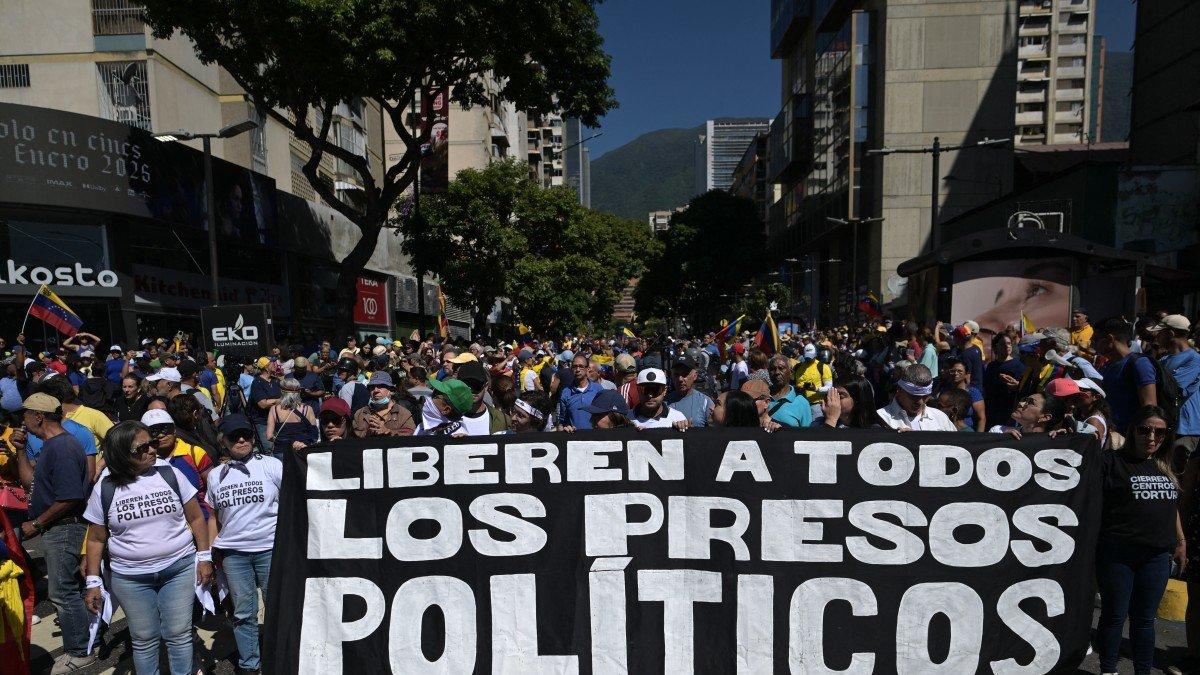
Trump's maximum-pressure campaign compelled Venezuela's interim government to release political prisoners Five Spanish political prisoners were freed and flown back to Madrid
7 outlets told this the same way.
Outlets did split on Brazil Police Kill Suspect After 13 Kindergarteners Held Hostage In Curitiba →
Venezuela prisoner releases
President Donald Trump reportedly pressed Venezuela's interim authorities to release political prisoners after a dramatic shift in events. The shift followed a January 3 operation that reportedly led to the capture of Nicolás Maduro and the transfer of executive functions to interim president Delcy Rodríguez. Several outlets link the releases to direct U.S. pressure and to a broader diplomatic opening, with the White House and Venezuelan negotiators framing the moves as part of a détente.
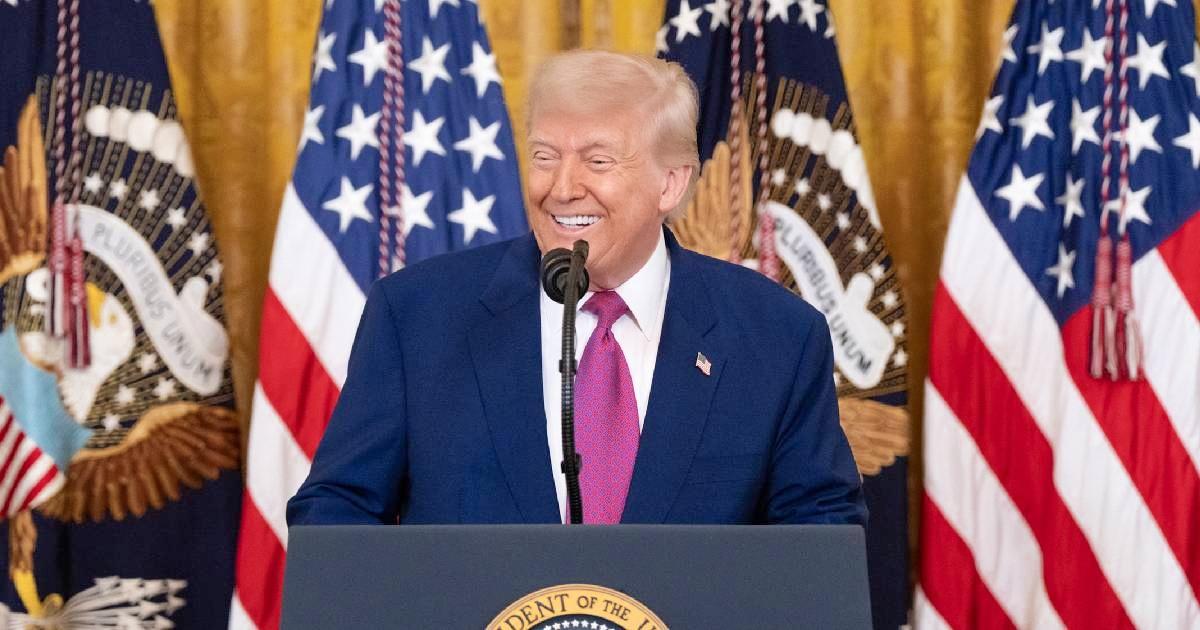
“President Trump announced he has canceled a planned ‘second wave’ of attacks on Venezuela after what he described as cooperative actions by Venezuelan authorities, though U.S. ships will remain in position for safety.”
CiberCuba reports that Trump said he canceled a planned 'second wave' of attacks after what he described as cooperative actions by Venezuelan authorities, and that Delcy Rodríguez authorized the release of political prisoners. Voz.us says the White House claims the moves followed direct pressure from Washington after Maduro's capture. Lnginnorthernbc.ca confirms that five Spanish citizens detained in Venezuela have been released and were expected to arrive in Madrid.
Reports on freed Spaniards
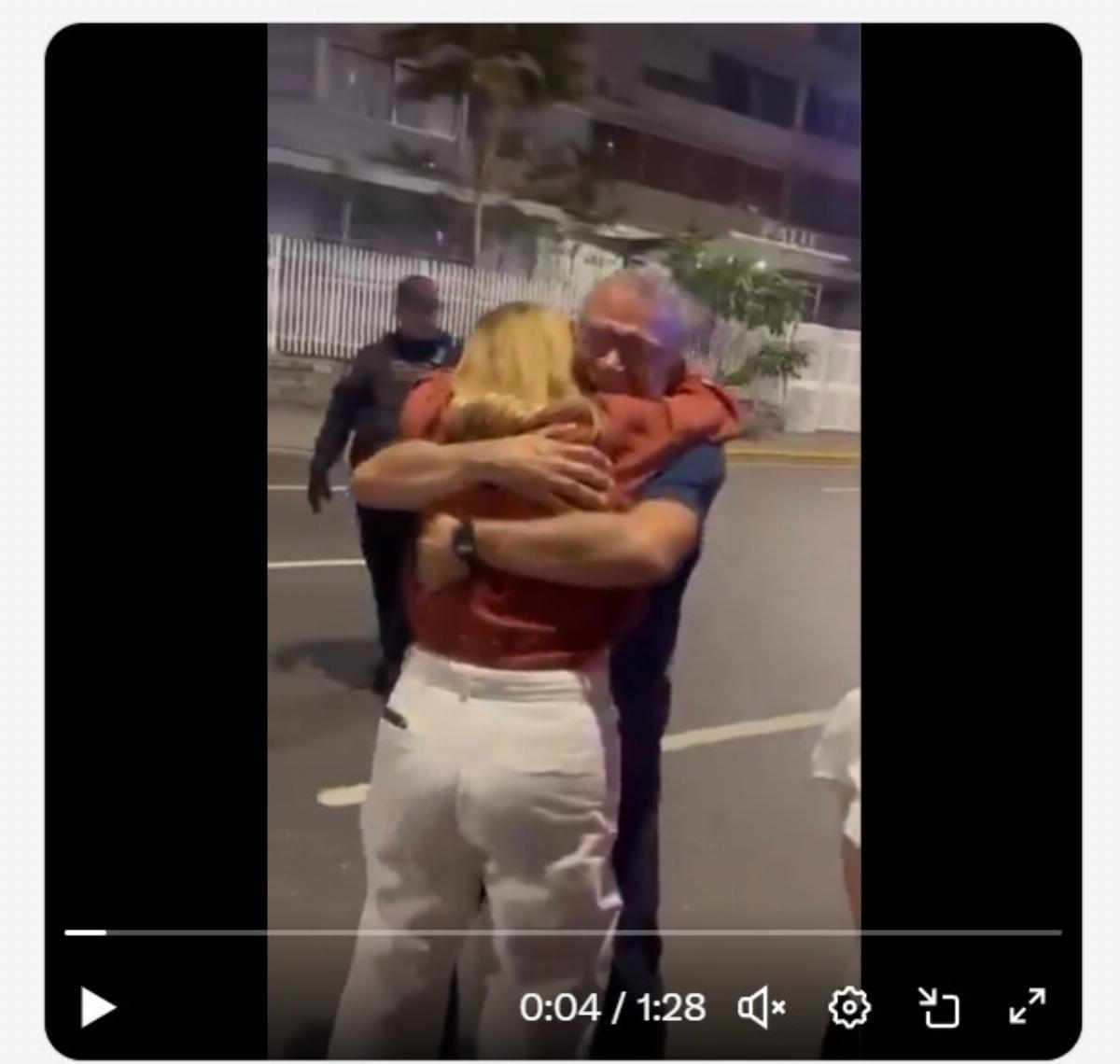
Reporting on who exactly was freed and their condition varies by outlet. Spanish and Venezuelan sources list five named Spaniards, including one dual national, as confirmed by Spain, while rights groups and family members warn verification remains incomplete.
lnginnorthernbc.ca lists the five confirmed by Spain, including Rocío San Miguel, and quotes Spain’s foreign minister saying they were in good physical condition though thinner. Voz.us notes NGO Foro Penal confirmed the five releases and named the freed detainees, reportedly released from centers such as El Helicoide and El Rodeo I, but also emphasizes independent criticism about a lack of official figures and verifiable information.
Conflicting reports on Maduro capture
Accounts diverge sharply over claims of U.S. military action and the circumstances around Maduro’s reported capture. CiberCuba records Trump’s assertion that a planned "second wave" of attacks was canceled and that "U.S. ships will remain in position for safety," framing U.S. force as a lever that was dialed back after cooperation.
“President Trump announced he has canceled a planned ‘second wave’ of attacks on Venezuela after what he described as cooperative actions by Venezuelan authorities, though U.S. ships will remain in position for safety.”
In contrast, lnginnorthernbc.ca flags an "unverified claim that the United States attacked Venezuela and kidnapped Nicolás Maduro," making clear that such assertions are present in reporting but not independently confirmed. Voz.us references a January 3 military operation that resulted in Maduro’s capture and transfer of power.
Media reactions to releases
Observers and outlets differ on tone and political interpretation. Americanthinker, an opinion outlet, praises Trump’s pressure as bringing freedom and justice and criticizes those who question the use of force. CiberCuba frames the releases as a possible start of détente while noting calls for broader amnesty and democratic guarantees.
Voz.us emphasizes the limited verified scope of the releases and the continuing opacity faced by families and NGOs. Americanthinker’s piece calls the pope’s caution 'awful' and argues U.S. pressure has produced releases. Both CiberCuba and Voz.us report critics saying more concrete measures are needed to secure rights and justice.

Media framing and emphases
Economic and diplomatic motives are highlighted in some coverage, with CiberCuba quoting Trump saying the U.S. and Venezuela are now closely collaborating on rebuilding Venezuela's oil and gas infrastructure with more than $100 billion in expected investments and that he planned meetings with oil executives, framing releases as tied to economic reopening. lnginnorthernbc.ca and voz.us focus more narrowly on human-rights and verification aspects, while americanthinker uses the episode to urge praise for U.S. pressure. These divergent emphases show how source type—news report versus opinion—and regional perspective shape whether coverage highlights geopolitics, economic opportunity, verification, or rights.
“He said the United States and Venezuela are now closely collaborating on rebuilding Venezuela’s oil and gas infrastructure, with more than $100 billion in expected investments from major oil companies; Trump said he would meet with top oil executives at the White House.”