USA07 November, 20253 min read
Trump Grants Hungary Exemption to Fuel Kremlin with Russian Oil Despite Sanctions on Russia
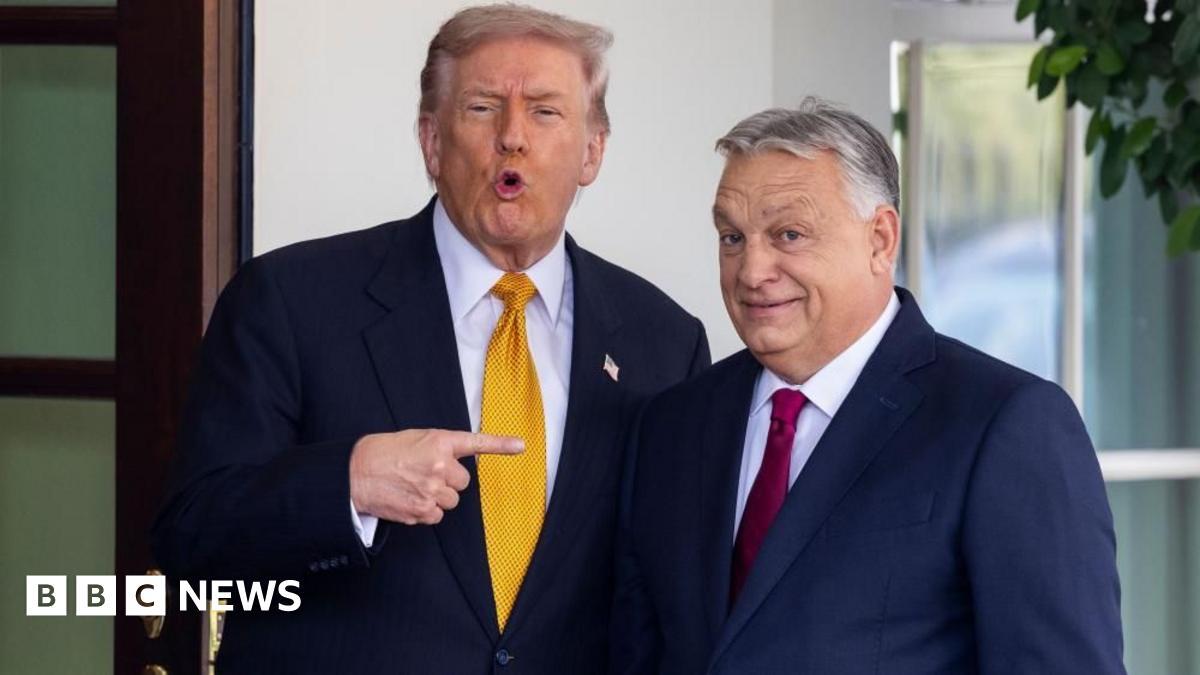
The US granted Hungary a one-year exemption from sanctions on Russian oil and gas imports. Hungarian Prime Minister Viktor Orban secured the exemption during a friendly meeting with Donald Trump.
14 outlets told this the same way.
Outlets did split on Trump Interrupted by Protesters at San Antonio Rally for Ken Paxton →
Hungary's Request for Sanctions Relief
Multiple outlets report that Viktor Orbán pressed Donald Trump in Washington for relief from U.S. sanctions restricting purchases of Russian energy. The reports diverge on whether an exemption was actually granted. West Asian outlet Arab News and Western mainstream CNBC both report that the United States has granted Hungary a one-year exemption from sanctions related to the purchase of Russian oil and gas following Orbán’s appeal to Trump.
“The United States has granted Hungary a one-year exemption from sanctions related to the purchase of Russian oil and gas.”
By contrast, local Western outlet Toronto Star says Trump is contemplating granting Hungary an exemption. Ukrainian National News says the U.S. is considering such a waiver tied to Hungary’s landlocked geography. Swiss-based Western mainstream bluewin situates the request within broader U.S. sanctions on Lukoil and Rosneft and notes Trump was showing openness to this special treatment.

Status of U.S. Oil Exemption
Accounts conflict on the current status of the U.S. decision regarding the exemption. NBC News reports that the exemption has not been granted. CNBC and Arab News state that the exemption was issued for one year.
Toronto Star and Українські Національні Новини present the exemption as still under discussion. They highlight Orbán’s argument that Hungary is landlocked and faces unique sourcing constraints. bluewin adds a critical structural detail often missing from other reports.

The EU’s existing exemption allows Hungary to keep importing Russian oil via pipeline until 2027. This exemption shapes Budapest’s bargaining position but is not emphasized in outlets treating the U.S. waiver as already done.
Media Views on Orbán's Visit
The political framing also varies. The Journal, a Western mainstream outlet, portrays Orbán’s trip—with six ministers—as a quest for a symbolic win amid stagnation and a push that aligns with broader US backing for political forces challenging EU unity. NDTV, an Asian news source, emphasizes Trump’s praise for Orbán’s strict immigration stance and predicts that concessions on oil sanctions could bolster Orbán at home but deepen EU divisions.
“Hungarian Prime Minister Viktor Orban met with former US President Donald Trump, accompanied by six ministers, to seek relief from oil sanctions on Russia.”
Bluewin highlights EU and Ukrainian criticism of Budapest’s position. United News of Bangladesh, another Asian outlet, notes that U.S. senators are urging Hungary to reduce its reliance on Russian energy. At the same time, Budapest is moving to source nuclear fuel from Westinghouse, which reduces but does not end its dependence on Russia.
Hungary's Energy Supply Challenges
Energy logistics underpin Budapest’s case. The Journal reports Orbán stressed reliance on pipeline oil and the country’s lack of ports. Toronto Star echoes that Hungary is landlocked and seeks acknowledgment of its unique difficulties rather than special treatment.
Arab News and CNBC add that Trump acknowledged the difficulty of sourcing elsewhere and, in their telling, granted a one‑year exemption while continuing to pressure Russia over the Ukraine conflict. Both also highlight Orbán’s argument that reliance is critical for its economy and people. Українські Національні Новини similarly says Trump acknowledged Hungary’s challenges tied to geography.
US-Hungary-Russia Geopolitical Moves
These maneuvers unfold amid fraught geopolitics. Bluewin notes Trump’s postponed Budapest bid to host U.S.-Russia talks and first-time sanctions on Lukoil and Rosneft. The Journal adds that Orbán had offered to host a Trump-Putin summit, which was canceled.
“Former President Trump had proposed a meeting in Budapest, but it was postponed indefinitely as the US recognized Russia’s unwillingness to compromise.”
United News of Bangladesh highlights parallel U.S.-Hungary nuclear cooperation and a Senate push for Hungary to shift away from Russian energy. NBC News says Trump has not pressured Orbán publicly to stop Russian oil purchases even as the waiver request remains contested.

Українські Національні Новини reports that both leaders voiced optimism about Ukraine’s war prospects. Arab News underlines that sanctions on Russian oil companies were meant to pressure Moscow over the Ukraine conflict.