Europe08 November, 20252 min read
Trump Grants Hungary Indefinite Exemption from US Sanctions on Russian Energy Imports
Trump granted Hungary a one-year exemption from US sanctions on Russian oil and gas imports. Hungary will start buying nuclear fuel from US Westinghouse but continue some Russian fuel purchases.
22 outlets told this the same way.
Outlets did split on Marco Rubio Urges Europe To Awaken From Slumber In Athens Speech →
Hungary's Energy Sanctions Dispute
Hungary claims it won an indefinite exemption from new U.S. sanctions on Russian energy. This claim is sharply disputed by other reports stating the waiver lasts only one year. Hungarian Conservative and The Straits Times describe a full, time-unlimited exemption covering imports via the TurkStream and Druzhba pipelines.
“Hungary announced on November 8 that it had secured an indefinite exemption from US sanctions on Russian oil and gas imports... This contradicts a White House official’s statement that the exemption was only for one year.”
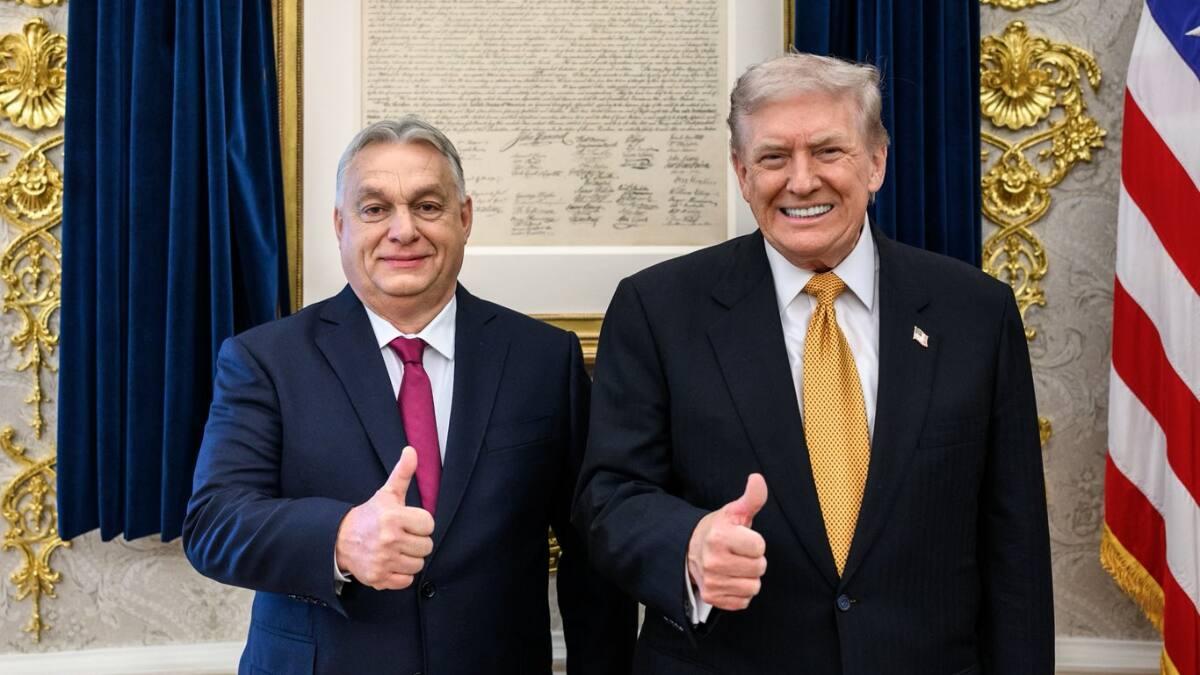
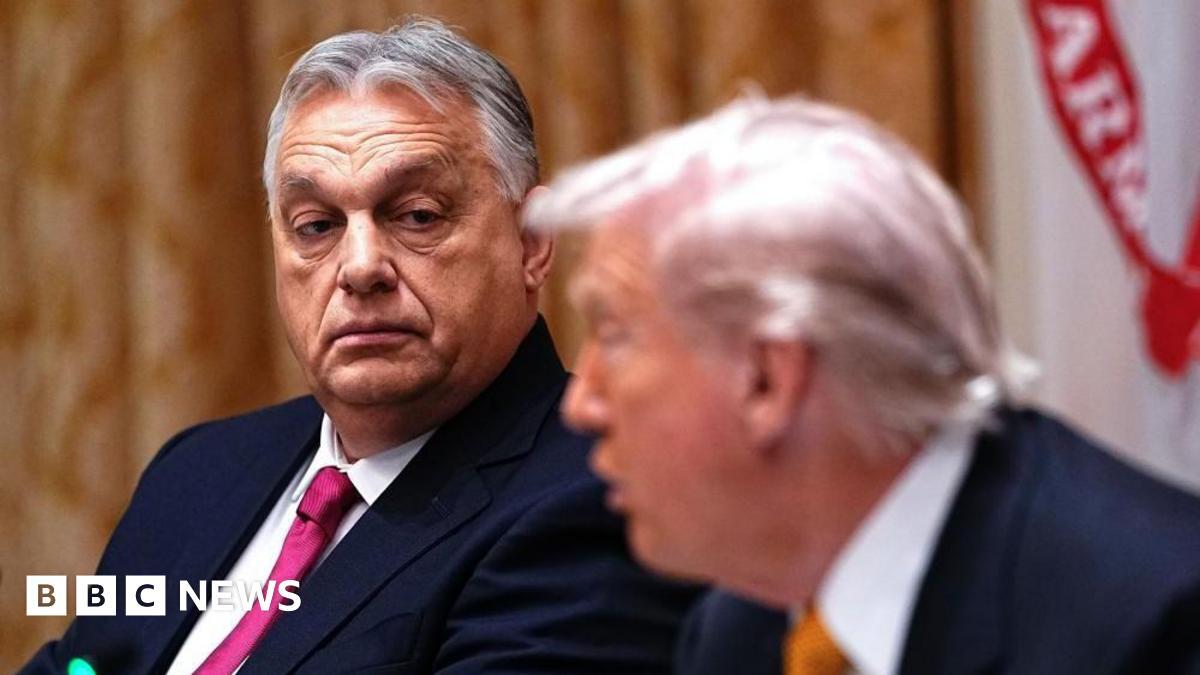
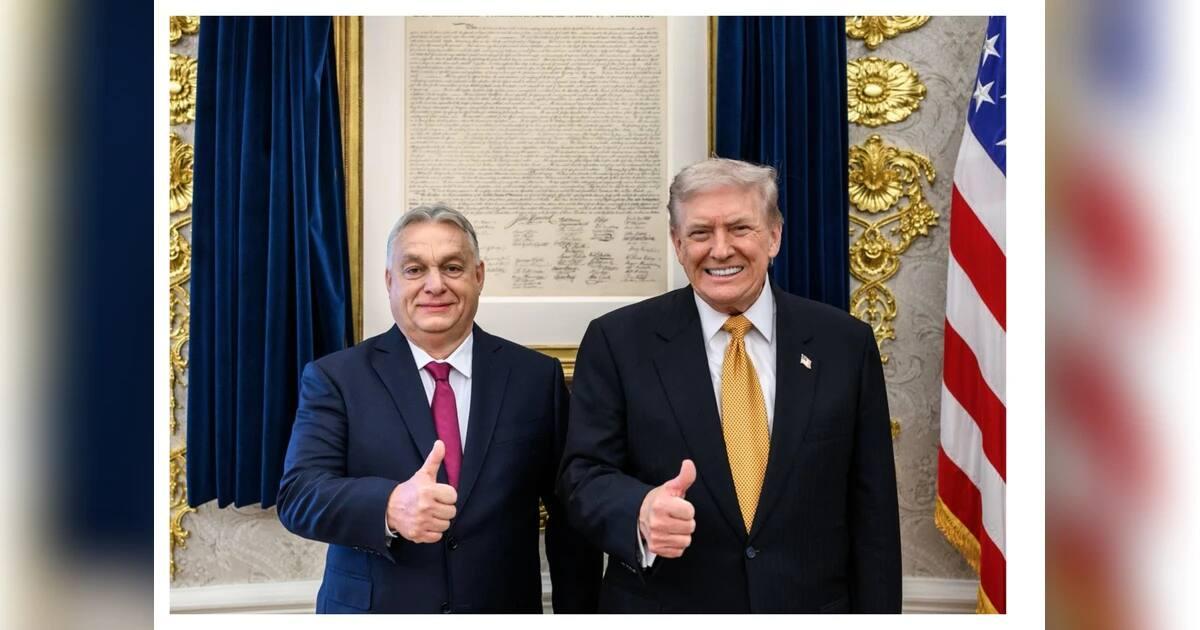
Western mainstream outlets say the White House limited the waiver to 12 months during Prime Minister Viktor Orbán’s November 7 meeting with Donald Trump. Those sources add that Trump had just tightened measures on Russia’s energy sector, warning third parties over dealings with firms like Rosneft and Lukoil. Despite this, Hungary secured a special exception tied to its landlocked constraints.
Hungary's Energy Deal Details
The waiver is tied to concrete quid‑pro‑quo energy arrangements and infrastructure realities. Multiple outlets report that Hungary agreed to purchase about $600 million of U.S. liquefied natural gas and deepen nuclear cooperation. This cooperation ranges from work on small modular reactors to buying Westinghouse fuel for the Russian‑built Paks plant.
The exemption preserves pipeline flows via TurkStream and Druzhba. Coverage also underscores Hungary’s heavy reliance on Russian energy and landlocked constraints.

In 2024, 74% of Hungary's gas and 86% of its oil come from Russia. There are warnings that a sudden cutoff could reduce Hungary's GDP by more than 4%.
Reactions to Hungary's Sanctions Waiver
The political reaction is fractured.
“This decision angered other European nations critical of Orbán’s pro-Moscow stance... marking a diplomatic victory for Orbán.”
SFG Media calls the decision a diplomatic victory for Orbán that angered European critics of his Moscow ties.
The Star and RBC‑Ukraine anticipate or report criticism from EU and NATO partners.
United News of Bangladesh adds U.S. Senate pressure on Budapest to reduce Russian dependence even as Hungary secured a waiver and a roughly $600 million U.S. LNG purchase.
Meanwhile, analysis from Evrim Ağacı warns that such exceptions could dilute the wider sanctions regime by inviting copycat requests.
Diverging Views on Geopolitics
Broader geopolitics and leaders’ messaging also diverge across outlets. Le Monde says Orbán doubts Ukraine can defeat Russia and has resisted EU pressure. SFG Media reports him saying only Hungary and the U.S. truly seek peace and doubting Ukraine’s military success.
The Guardian oddly notes Orbán as hopeful for Ukraine’s victory. At the same time, multiple sources highlight Trump’s praise of Orbán’s immigration stance and the pair’s close alignment. There is also economic friction from U.S. tariffs and side notes such as Trump’s attack on the beef industry or Hungary’s regained U.S. visa‑waiver privileges.
Overview of Sanctions and Exemptions
Context around the sanctions regime and timelines is uneven.
“The U.S. has warned companies working with Russian energy firms Rosneft and Lukoil to end ties within a month or face secondary sanctions.”
ABP Live notes a broad U.S. warning that companies linked to Rosneft and Lukoil must cut ties or face secondary sanctions.
Patrika News claims Hungary’s waiver was uniquely granted and not extended to big buyers like India, China, or the EU.
Evrim Ağacı cautions the exemption could erode sanctions unity and observes the EU plans to ban Russian gas by 2028.
United News of Bangladesh cites an EU aim to end Russian energy imports by 2027.
Kursiv Media adds market fallout and compliance pressure, noting a major trader, Gunvor, withdrew a bid for Russian assets after U.S. Treasury opposition.